Many women dealing with fibroids often struggle with heavy periods, bloating, pelvic pain, and constant discomfort. These symptoms can affect daily life and feel hard to manage.
Some also look for support from a fibroid treatment clinic to better understand their condition and treatment options.
A common question is whether food can help. While diet cannot cure fibroids, the right foods may support hormone balance and reduce inflammation in the body.
In this guide, you’ll learn 7 simple foods that may help support fibroid health naturally, along with easy tips to improve your overall well-being.
Fibroids usually don’t shrink quickly on their own. Most of the time, they stay the same size or slowly grow depending on hormones and lifestyle.
In some cases, they may shrink after menopause when estrogen levels drop. During reproductive years, natural shrinkage is less common.
The main focus is to manage symptoms and support the body with healthy habits that help balance hormones and reduce inflammation.
Diet won’t cure fibroids, but it can affect hormones, inflammation, and blood sugar—all linked to fibroid growth.
Processed foods, sugar, red meat, and fried foods may worsen inflammation and hormone imbalance.
Healthy foods can support your liver, digestion, and overall balance.
With that in mind, let’s look at the foods that may help support fibroid health naturally.
Some foods may help support hormone balance, reduce inflammation, and improve overall uterine health.
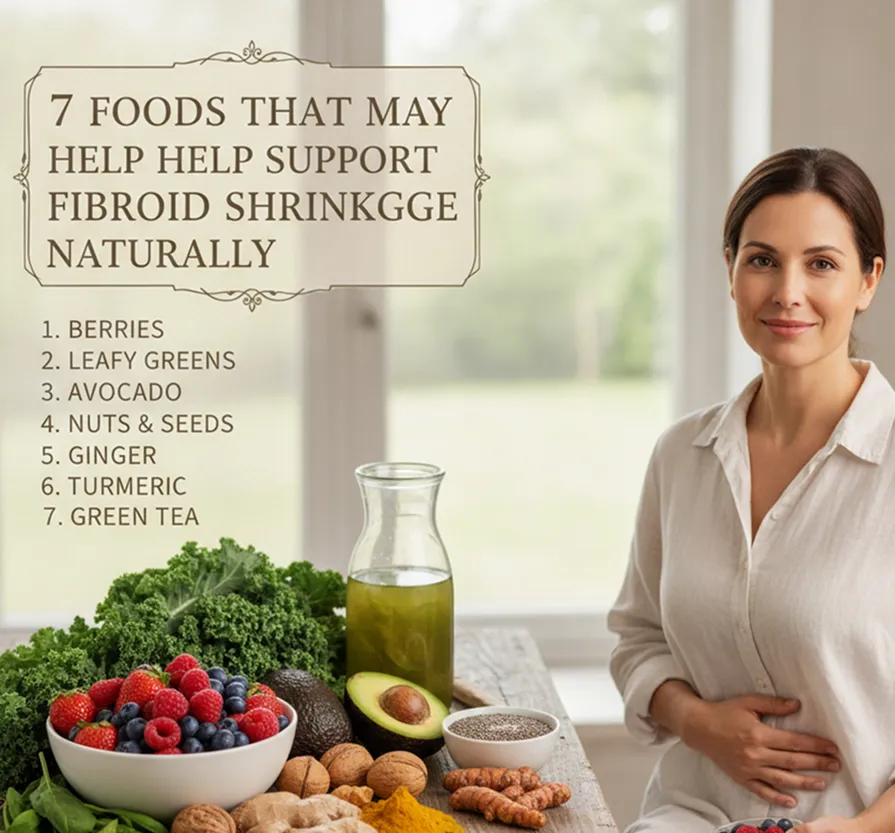
While they won’t “cure” fibroids, they can play a helpful role in managing symptoms naturally. Foods That May Help:
Now, let’s look at each of these foods in detail and understand how they may support fibroid health naturally.
Leafy green vegetables are highly nutritious and often recommended for women dealing with different types of fibroid. They support hormone balance, improve blood health, and help the body naturally detox.
They are especially helpful for women who experience heavy periods, as they can support iron levels and reduce fatigue over time.
Key benefits of leafy greens:
You can easily add them to your diet through salads, smoothies, soups, or light cooking for daily support.
Cruciferous vegetables are especially important for estrogen metabolism. They contain a compound called indole-3-carbinol, which helps the body process estrogen more efficiently.
When estrogen is not properly metabolized, it may circulate in higher levels, potentially contributing to fibroid growth. These vegetables support the liver in breaking down estrogen into safer forms that the body can eliminate.
They are also high in fiber, which supports digestive health and regular bowel movements—important for removing excess hormones from the body.
Including steamed or lightly sautéed cruciferous vegetables a few times per week may be beneficial.

Berries are small but powerful fruits loaded with antioxidants like vitamin C and polyphenols.
These nutrients help reduce inflammation in the body, which is often linked with fibroid symptoms.
They also help protect cells from oxidative stress and may support better hormone balance over time.
Key benefits of berries:
You can easily add a handful of fresh or frozen berries to breakfast, smoothies, or snacks for daily support.
Fatty fish are rich in omega-3 fatty acids, which are well known for their anti-inflammatory properties. These healthy fats help balance inflammation in the body and may support hormonal regulation.
Inflammation is a key factor in many reproductive health conditions, including fibroids. By reducing inflammation, omega-3s may help ease symptoms such as pain and heavy bleeding.
Fatty fish also provide vitamin D, which has been studied for its potential role in supporting uterine health.
Eating fatty fish 2–3 times per week may provide meaningful benefits.
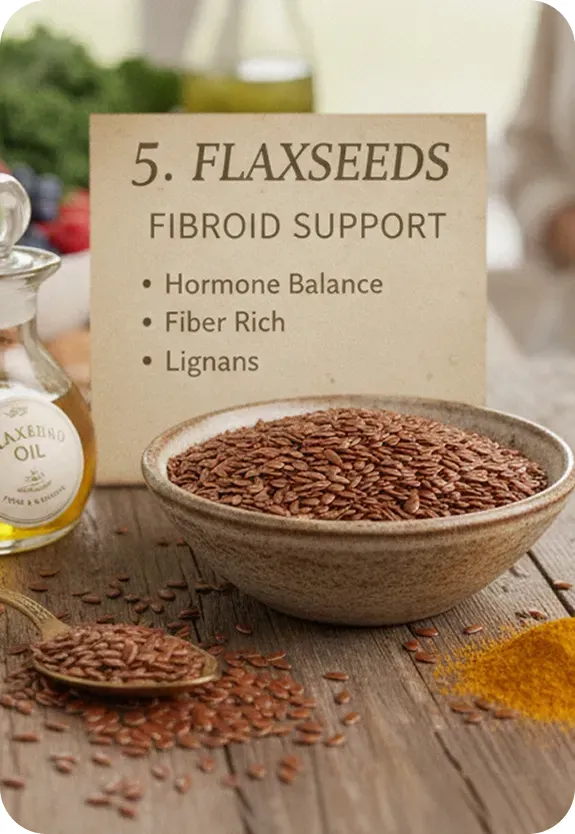
Flaxseeds are often considered one of the best natural foods for supporting hormone balance.
They contain lignans, which may help the body regulate estrogen levels more effectively.
They are also rich in fiber, which helps the body remove excess hormones through better digestion and regular bowel movements.
Key benefits of flaxseeds:
For best results, use ground flaxseeds and add them to smoothies, yogurt, or oatmeal every day.
Garlic and onions are simple kitchen staples, but they offer powerful health benefits. They contain sulfur compounds that support liver detoxification, helping the body process hormones more efficiently.
They also have natural anti-inflammatory and immune-supporting properties, which may help reduce fibroid-related discomfort over time.
Additionally, they support circulation and overall metabolic health, both of which are important for reproductive wellness.
Including garlic and onions in daily cooking can be an easy and consistent way to support the body.
Legumes are a great plant-based food packed with protein, fiber, iron, and folate. They support overall health and may help with hormone balance and energy levels.
They also help stabilize blood sugar, which is important because blood sugar spikes can affect hormone activity and inflammation in the body.
Key benefits of legumes:
You can add lentils, chickpeas, or beans to your meals a few times a week for simple, affordable support.
While focusing on supportive foods is important, it is equally helpful to understand what may contribute to fibroid-related discomfort.
Some common dietary triggers include:
These foods may increase inflammation or disrupt hormonal balance, potentially worsening symptoms like bloating, heavy bleeding, or pelvic discomfort.
Diet works best when combined with supportive lifestyle habits. Small daily changes can make a meaningful difference over time.
Helpful lifestyle practices include:
Stress management is especially important, as chronic stress can affect hormone regulation and inflammation levels in the body.
Natural methods can help support uterine health, but they are not always enough on their own.
In some cases, medical treatment is needed to manage fibroids effectively. You should consult a fertility clinic if you experience:
Treatment options may include medication or minimally invasive procedures, depending on your condition.
Natural approaches can still support your health, but they should not replace medical advice when symptoms are serious.
Supporting fibroid health naturally is not about one food or a quick fix. It’s about consistent, long-term healthy eating and lifestyle habits that support your body over time.
Foods like leafy greens, cruciferous vegetables, berries, fatty fish, flaxseeds, garlic, onions, and legumes may help support hormone balance, reduce inflammation, and improve overall reproductive health.
While they may not directly shrink fibroids in every case, they can support better symptom management. The best results come from combining a healthy diet, good lifestyle habits, and regular medical check-ups when needed.