
Infertility is more common than many people realize. For couples trying to conceive, it can be an emotional and confusing journey. In simple terms, infertility means not being able to get pregnant after trying for a year (or six months if the woman is over 35).
The important thing to understand is that infertility is not just a female issue. It can affect men, women, or both partners. In many cases, the causes are treatable once properly identified.
This guide explains the most common causes of infertility in couples and, more importantly, how to address them with practical and medical solutions, including when it may be helpful to consult a fertility clinic in Surrey.
Female infertility is usually caused by hormonal, structural, or lifestyle-related issues. In many cases, more than one factor may be involved, so proper diagnosis is important for effective treatment. Key factors include:
Let’s break down the most common factors one by one.
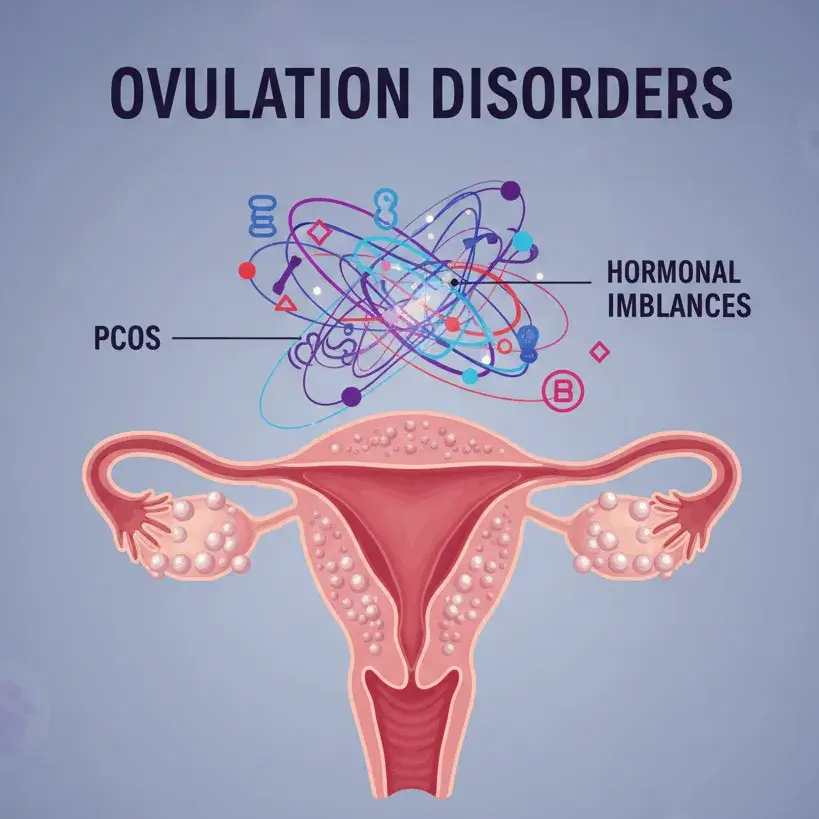
Ovulation is when the ovary releases an egg, and irregular or absent ovulation can make conception difficult.
A common cause is Polycystic Ovary Syndrome, a hormonal condition that can lead to irregular periods and difficulty releasing eggs. Imbalances in hormones like estrogen and progesterone can also affect ovulation.
How to address it:
The fallopian tubes carry the egg from the ovary to the uterus. If they are blocked or damaged, sperm cannot reach the egg.
Common causes include:
How to address it:
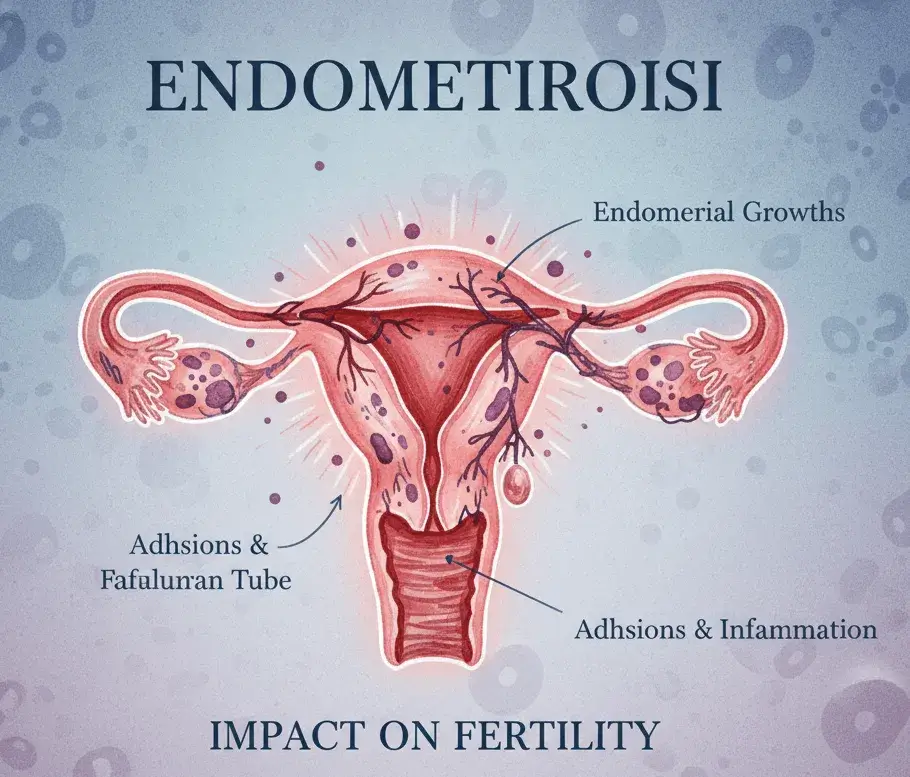
Endometriosis occurs when tissue similar to the uterine lining grows outside the uterus. This can affect the ovaries, fallopian tubes, and surrounding organs.
It may cause pain, inflammation, and difficulty with fertilization or implantation.
How to address it:
Structural issues in the uterus or cervix can interfere with pregnancy. These include:
How to address it:
Age plays a major role in fertility. Women are born with a fixed number of eggs, and both the quantity and quality decline over time.
Fertility starts to decrease after 30 and drops more significantly after 35.
How to address it:
Daily habits can strongly influence reproductive health.
Key factors include:
How to address it:
Male infertility is equally important and contributes to about 40–50% of cases. It mainly relates to sperm health and production.
Oligospermia is a condition where the number of sperm in semen is lower than normal.
This reduces the chances of successful fertilization and is one of the common causes of male infertility.
It can be temporary or linked to underlying health or lifestyle factors.
How to address it:
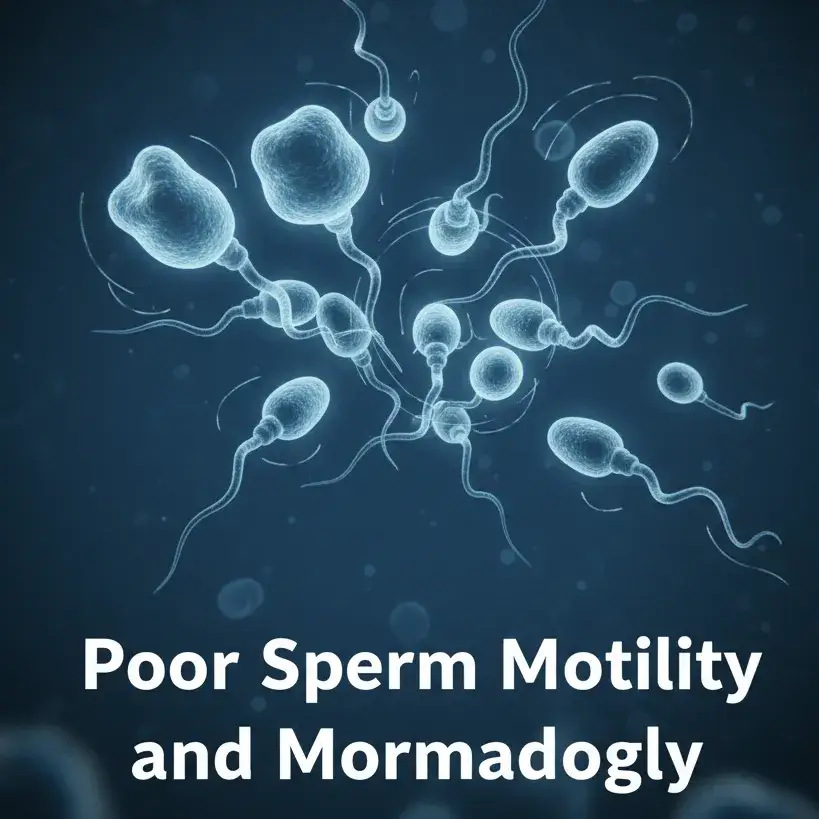
Poor sperm motility means sperm do not move well, and abnormal morphology means sperm have an irregular shape.
Even with a normal sperm count, these issues can reduce the ability of sperm to reach and fertilize the egg.
Healthy sperm need to move efficiently and have a normal structure to support conception.
How to address it:
Hormones such as testosterone are essential for healthy sperm production.
When these hormone levels are too high or too low, it can reduce both sperm count and quality, making conception more difficult.
How to address it:

Varicocele is a condition where veins in the scrotum become enlarged, which can raise testicular temperature and negatively affect sperm production and quality.
Other issues such as infections or physical injuries can also impact fertility.
How to address it:
Some cases of male infertility are linked to genetic conditions that affect sperm production or development.
In other situations, long-term illnesses or certain medications can also reduce fertility and impact overall reproductive health.
How to address it:
Male fertility is highly sensitive to lifestyle choices.
Common risk factors:
How to address it:
Fertility is influenced by several shared lifestyle and biological factors that can affect both men and women.
Understanding these risks can help couples take early steps to improve their chances of conception.
Each of these factors can impact fertility on its own, but the effect is often stronger when multiple risks are present together.

The good news is that many infertility issues can be treated successfully. The right approach depends on the cause.
Often, small changes can make a big difference. Focus on:
Doctors may recommend:
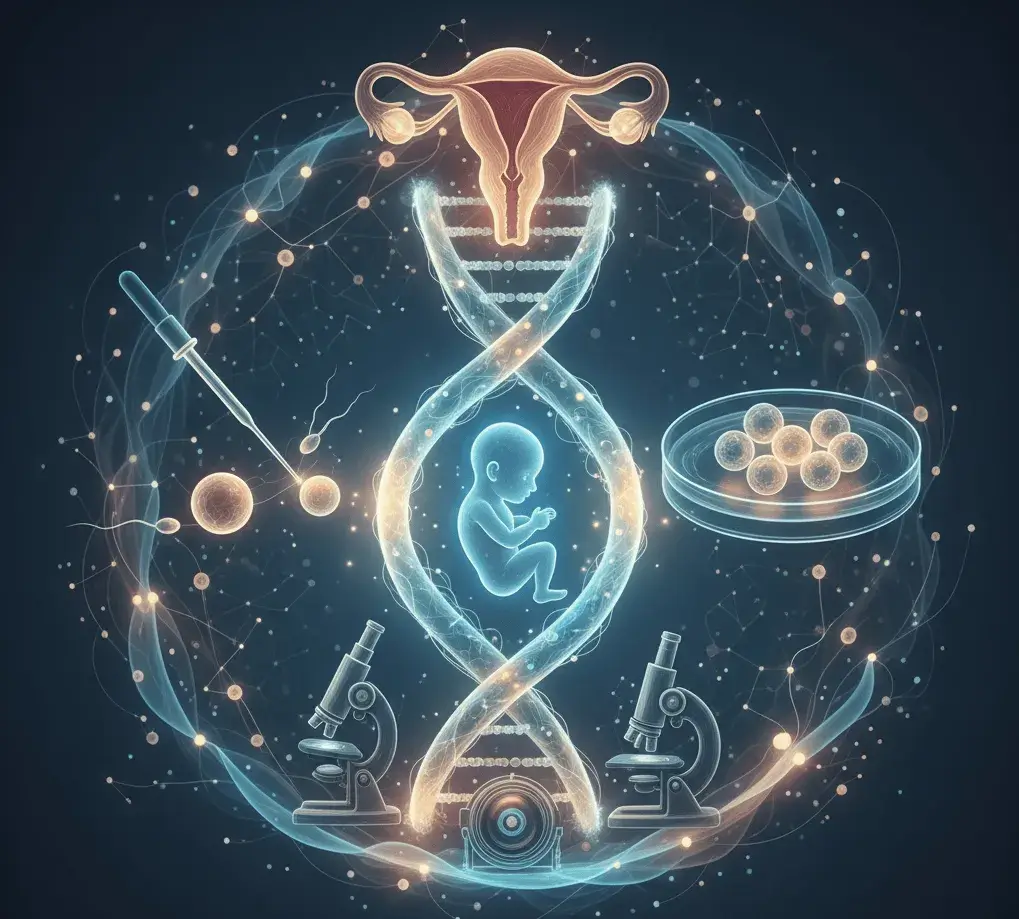
Assisted Reproductive Technology includes advanced methods to help couples conceive.
Common options:
These treatments are often recommended when other methods do not work.

While medical treatments are helpful, natural approaches can also support fertility.

Infertility can feel overwhelming, but in many cases it is manageable and treatable once the cause is properly identified.
With the right mix of lifestyle changes, medical treatment, and emotional support, many couples are able to improve their chances of conception.
If pregnancy is taking longer than expected, seeking early medical advice can help identify the issue sooner and guide you toward the right treatment.