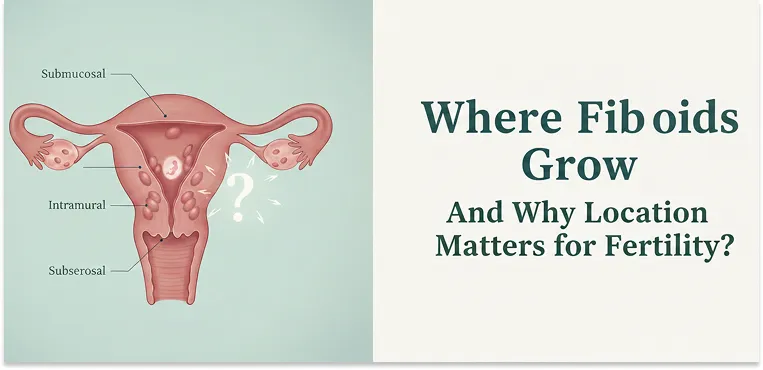
Many women diagnosed with fibroids worry about how they might affect fertility. It can be frustrating and confusing, especially if you are trying to conceive or planning a pregnancy and are unsure what the diagnosis means.
A common misunderstanding is that larger fibroids always cause more problems. In reality, location is often more important than size. A small fibroid in a critical area of the uterus can affect fertility more than a larger one in a less sensitive area.
At a fibroid treatment clinic, this is one of the first things specialists carefully evaluate.
This guide explains where fibroids grow, how each location can affect fertility, and why doctors pay close attention to fibroid location when recommending treatment or fertility care.
Many people focus on fibroid size when thinking about fertility. While size can be important, it does not always determine whether a fibroid will affect your ability to get pregnant.
The location of a fibroid often plays a much bigger role. A small fibroid growing inside the uterine cavity may interfere with implantation, while a larger fibroid on the outside of the uterus may have little or no effect on fertility.
This is why fertility specialist clinic look closely at where fibroids are growing. Understanding their location helps doctors better assess fertility risks and recommend the most appropriate treatment when needed.
Fibroids can develop in several different areas of the uterus. Each location has unique characteristics that may affect fertility differently.
The four main types include:
Understanding these locations helps explain why some fibroids are more likely to affect fertility than others.
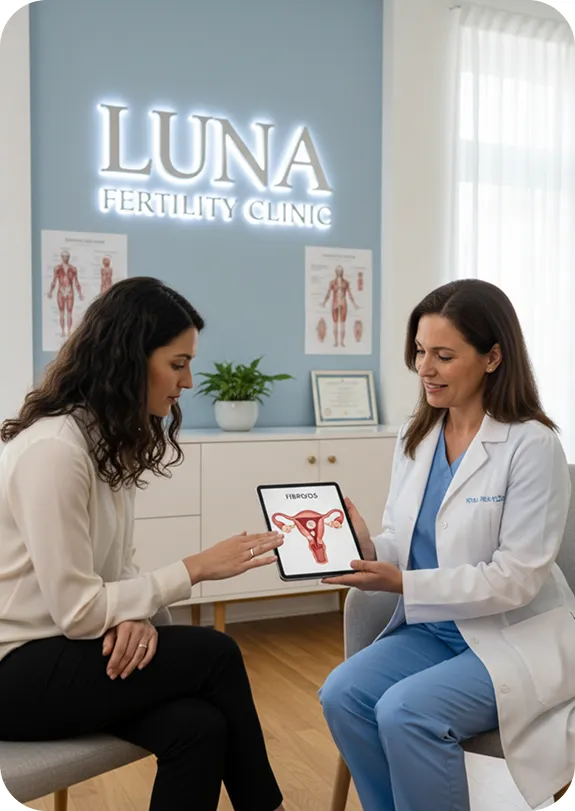
Intramural fibroids grow inside the muscular wall of the uterus. They are the most common type of fibroid and can slowly change the shape of the uterus over time.
As they grow, they may affect how the uterus works and sometimes make pregnancy more difficult.
How they can affect the uterus:
These changes can make it harder for an embryo to implant or grow, especially if the fibroid is large or close to the uterine cavity.
Not all intramural fibroids affect fertility. Their impact depends on size, number, and exact location.
Submucosal fibroids grow just under the inner lining of the uterus and extend into the uterine cavity. Even though they are less common, they are the type most strongly linked with fertility problems.
Because they grow inside the space where a pregnancy begins, they can quickly affect how the uterus works.
How they can affect the uterine environment:
Even small submucosal fibroids can have a big impact on fertility.
They are linked with lower chances of implantation, reduced pregnancy success, higher miscarriage risk, and difficulty maintaining early pregnancy.
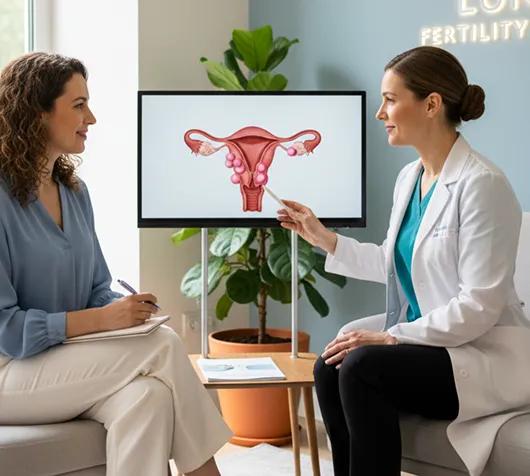
Subserosal fibroids grow on the outer surface of the uterus and push outward into the pelvis. They usually do not grow into the uterine cavity, which is why they often have less impact on fertility.
As they grow, they may press on nearby organs.
How they can affect the body:
These symptoms are usually related to pressure, not fertility issues.
In most cases, subserosal fibroids do not affect fertility because they are outside the uterine cavity. However, very large fibroids may sometimes create pressure that indirectly affects reproductive organs.
Pedunculated fibroids are attached to the uterus by a thin stalk called a peduncle.
They can grow either inside the uterine cavity or on the outer surface of the uterus, and their impact depends on where they are located.
Because they are attached by a stalk, they are more mobile than other fibroids. In some cases, the stalk can twist, which may cause pain and reduce blood flow to the fibroid.
How they can affect fertility:
In general, pedunculated fibroids only affect fertility when their position interferes with the uterine cavity or becomes very large.
Fibroid location can influence fertility through several different mechanisms. Understanding these effects helps explain why certain fibroids are more concerning than others.
Pregnancy is more likely when:
Pregnancy may be harder when:
A successful pregnancy begins when a fertilized embryo implants into a healthy uterine lining.
Fibroids that distort the uterine cavity can interfere with this process by:
Submucosal fibroids are particularly associated with implantation difficulties because they directly occupy the space where implantation occurs.
For conception to happen naturally, sperm must travel through the reproductive tract and meet the egg.
Certain fibroids can interfere with this process by:
When reproductive pathways become obstructed, fertilization becomes more difficult.
The effects of fibroids do not necessarily end once conception occurs.
Depending on their location, fibroids may increase the risk of:
Fibroids that reduce blood flow or occupy critical space within the uterus can affect the developing pregnancy, particularly during the first trimester.
Not all fibroids affect fertility in the same way. The impact mainly depends on where they grow inside or around the uterus.
Impact levels by location:
Each case is different, so doctors assess fibroids individually to understand their real effect on fertility.
Finding the exact location of fibroids is an important step in fertility evaluation. It helps doctors understand how fibroids may be affecting the uterus and pregnancy chances.
Several imaging tests are used to get a clear picture.
Common ways doctors check fibroid location:
These tests help doctors understand whether fibroids may affect fertility and guide the right treatment plan.
When it comes to fertility, fibroid location is often more important than size. A small fibroid inside the uterine cavity can affect conception more than a larger fibroid on the outside of the uterus.
Submucosal fibroids usually have the greatest impact on implantation and pregnancy outcomes. Intramural fibroids may affect fertility depending on their size and position, while subserosal fibroids generally have little to no effect. Pedunculated fibroids can vary based on where they are attached.
Understanding fibroid location is key to assessing fertility risk. With proper imaging and expert evaluation, doctors can identify any impact on conception and guide the best treatment for a healthy pregnancy.