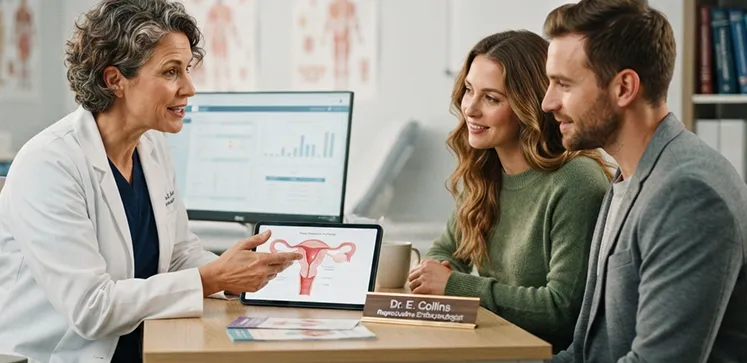
Painful periods are common, but severe menstrual cramps can sometimes signal an underlying condition that affects fertility. Possible causes include endometriosis, uterine fibroids, and pelvic inflammatory disease.
If you experience painful periods and have difficulty getting pregnant, identifying the cause is an important first step. Many related conditions can be treated or managed with appropriate medical care.
This guide covers how menstrual pain may affect fertility, common causes, diagnostic tests, and treatment options that may improve your reproductive health.
Menstrual cramps occur when the uterus contracts to shed its lining. High levels of prostaglandins can make these contractions stronger and more painful.
Painful periods do not necessarily mean you have fertility problems. However, severe or worsening cramps may signal an underlying condition that affects your ability to conceive.
Conditions such as endometriosis may affect fertility by causing:
Identifying the cause of menstrual pain can help your doctor determine whether it is connected to fertility difficulties and recommend appropriate treatment.
Several reproductive health conditions can cause painful periods and make it harder to conceive. Common causes include:
Not every cause of painful periods affects fertility. Primary dysmenorrhea, which causes menstrual cramps without an underlying pelvic condition, does not usually lead to infertility.
Identifying the underlying cause is essential for choosing the right treatment and understanding how your reproductive health may be affected.
Severe menstrual cramps may indicate an underlying reproductive health condition, especially when accompanied by other symptoms. Watch for these warning signs:
These symptoms do not necessarily indicate infertility, but they may require medical evaluation.
Tracking your menstrual cycle, pain, and bleeding patterns can help your doctor identify the possible cause.
If you have painful periods and difficulty conceiving, your doctor may recommend tests to identify the underlying cause. The choice depends on your symptoms, medical history, and fertility goals.
Common tests include:
Not everyone needs all these tests. Your doctor will recommend the most suitable investigations based on your symptoms and individual circumstances.
Treatment depends on the underlying cause, symptom severity, and whether you want to conceive.
Common options include:
If you are trying to conceive, consult your doctor before starting treatment. The right approach should address your symptoms while considering your fertility goals.
Treating the cause of painful periods may improve fertility, depending on the condition. For example, treating pelvic infections early can prevent fallopian tube damage, while removing certain fibroids may improve the chances of pregnancy.
Some women with endometriosis may benefit from surgery or fertility treatments such as IVF. However, relieving menstrual pain does not necessarily mean fertility has improved.
If you are trying to conceive, consult your doctor to find the best treatment for your symptoms and fertility goals.
Consult a fertility clinic if you experience severe cramps, heavy bleeding, pelvic pain between periods, or pain during sex.
Seek a fertility assessment if you have been trying to conceive for:
Seek urgent medical care for sudden, severe pelvic pain, especially with fever, vomiting, fainting, or possible pregnancy. These symptoms may indicate a serious condition, such as an ectopic pregnancy.
Early medical evaluation can help identify the cause and guide appropriate treatment.
Painful periods and infertility can sometimes be connected, particularly when conditions such as endometriosis, adenomyosis, uterine fibroids, or pelvic inflammatory disease are involved. However, menstrual cramps alone do not mean you will have difficulty getting pregnant.
Understanding your symptoms, receiving an accurate diagnosis, and choosing the right treatment can help you manage menstrual pain and make informed decisions about your reproductive health.
If you experience severe period pain or struggle to conceive, speak with a gynecologist or fertility specialist. The right evaluation can help you understand your options and develop a treatment plan that supports both your comfort and your family-planning goals.