Understanding fertility can feel confusing, especially when your body sends signals that are not always easy to interpret. Many women wonder whether they are highly fertile and what signs actually indicate good reproductive health.
The truth is, your body naturally provides clear and consistent signals about fertility. By learning to recognize these signs, you can better understand your cycle, improve your chances of conception, and take control of your reproductive health.
This guide explains the top signs of high fertility in women, along with the factors that influence fertility and practical ways to support it naturally. If you ever need expert guidance, a trusted fertility clinic in Surrey can also help you take the next step with confidence.
Female fertility is closely tied to the menstrual cycle. Each month, your body prepares for pregnancy through a series of hormonal changes.
Here’s a simple breakdown:
The most fertile window usually occurs a few days before and during ovulation. This is when the chances of conception are highest.
A healthy, well-regulated cycle is one of the strongest indicators of good fertility.

Recognizing the key signs of high fertility can help you better understand your body and reproductive health.
While experiences may vary, there are several common indicators that suggest your fertility is strong and well-balanced.
Here’s a quick list of the top signs:
Each of these signs is explained in detail in the sections below.
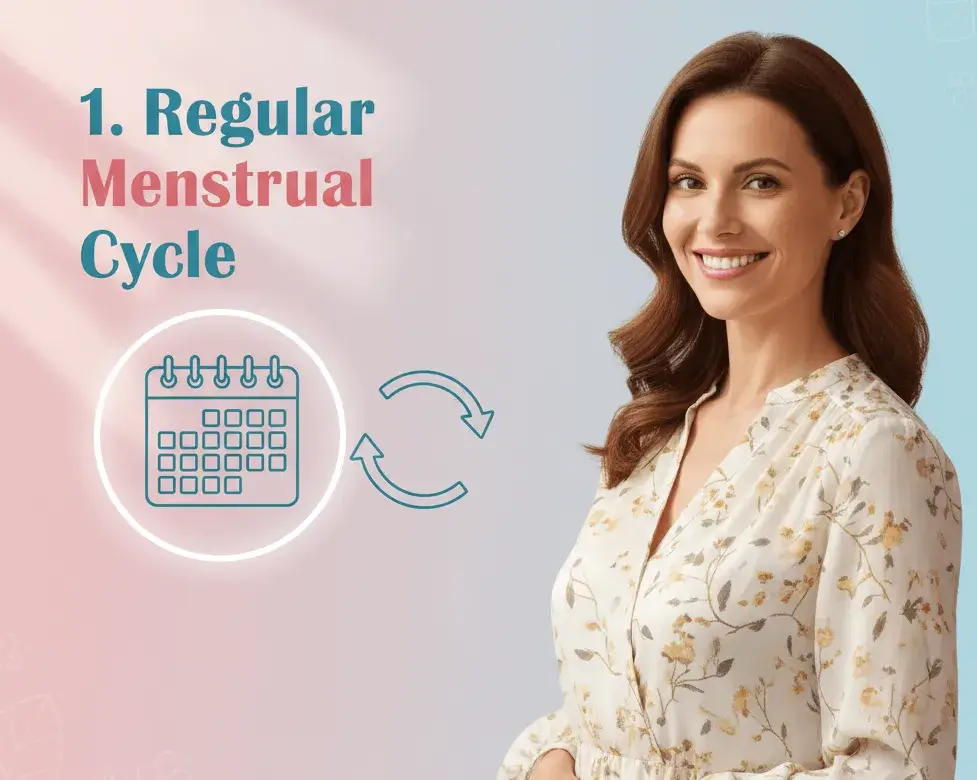
A consistent menstrual cycle is one of the clearest signs of high fertility.
Regular cycles usually indicate that hormones are balanced and ovulation is happening as expected.
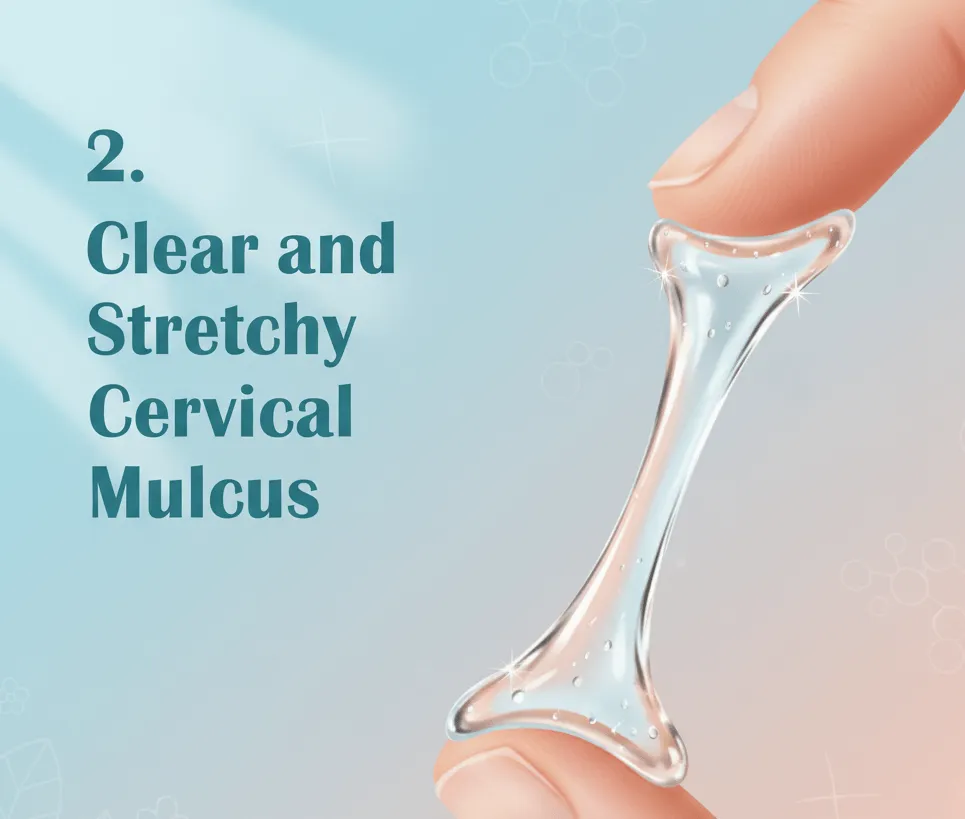
Cervical mucus changes throughout the cycle, and its fertile form is easy to recognize.
During ovulation, it becomes:
This type of mucus helps sperm move easily toward the egg, increasing the chances of conception.
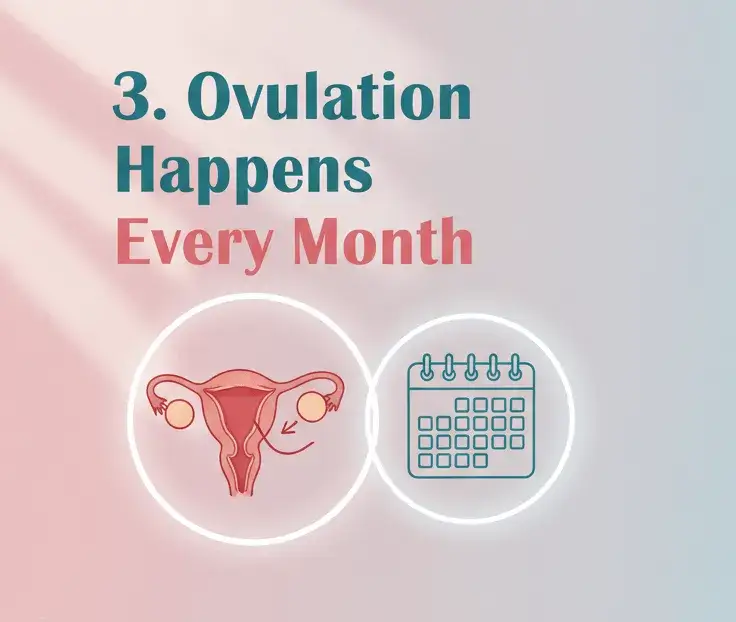
Regular ovulation is essential for fertility. If ovulation happens consistently each month, it’s a strong sign that your reproductive system is functioning well.
Signs that ovulation is occurring include:
Many women naturally experience a higher libido during their fertile window.
This is due to hormonal changes, especially an increase in estrogen. You may notice:
This is your body’s natural way of encouraging reproduction.
While some discomfort is normal, extremely painful periods may indicate underlying issues.
Signs of healthy fertility include:
Less pain often reflects a well-functioning reproductive system.

Basal Body Temperature (BBT) slightly rises after ovulation.
A healthy pattern looks like this:
Tracking BBT over time can confirm that ovulation is happening regularly.
Your skin and hair can reflect hormonal health. Balanced hormones, especially estrogen, often support these outward signs of health.
Positive signs include:


Body weight plays a major role in fertility.
A healthy Body Mass Index (BMI) supports:
Mental well-being is closely connected to hormonal balance.
Signs of healthy fertility include:
Chronic stress can disrupt ovulation, so emotional balance is an important indicator.

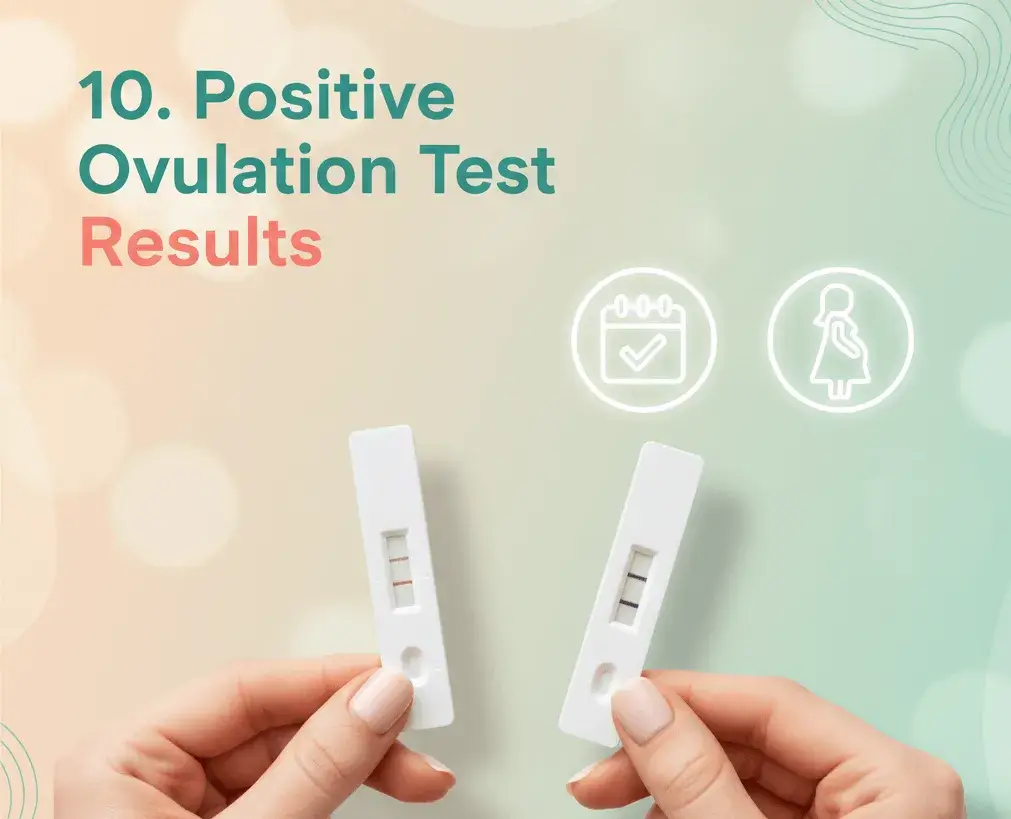
Ovulation predictor kits detect the surge of Luteinizing Hormone (LH).
Consistent positive results indicate:
These tests are a reliable way to confirm fertility patterns.
Beyond the primary fertility signs, there are other important indicators that reflect how well your reproductive system is functioning. These factors provide deeper insight into hormonal balance, ovarian health, and overall reproductive well-being.
Balanced hormones regulate the entire reproductive process.
Signs of hormonal balance include:
Hormonal stability supports both fertility and overall well-being.

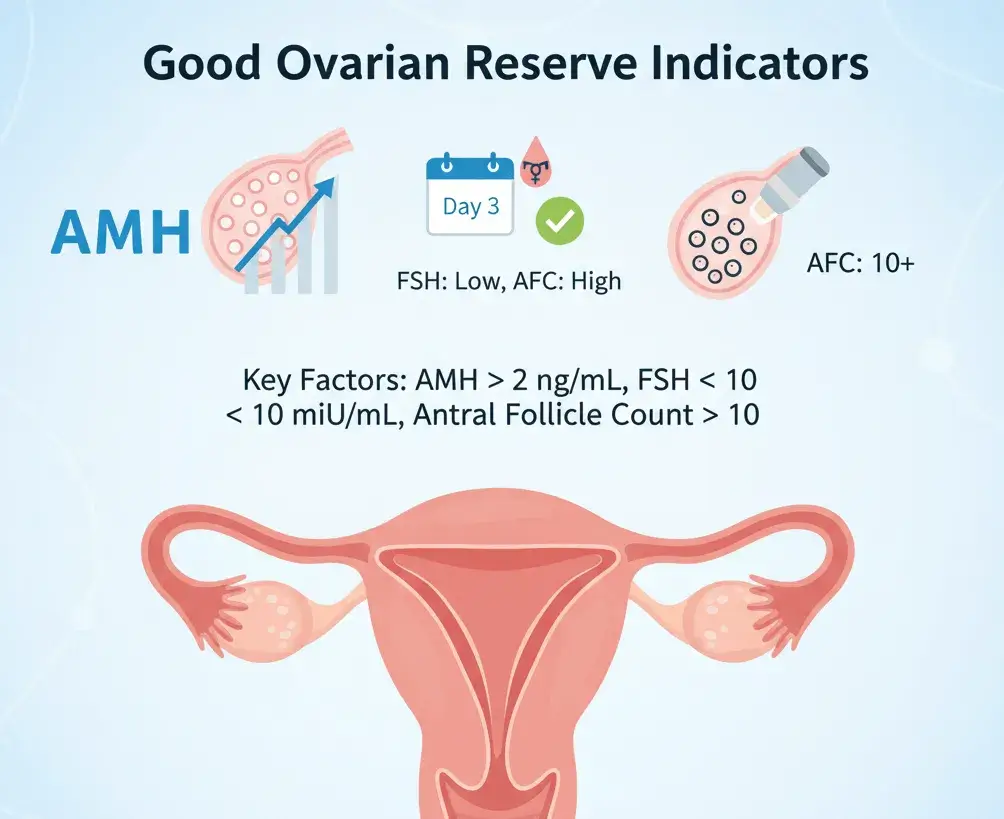
Ovarian reserve refers to the number and quality of eggs remaining in the ovaries.
Doctors may assess this through:
A healthy ovarian reserve improves the likelihood of successful conception.
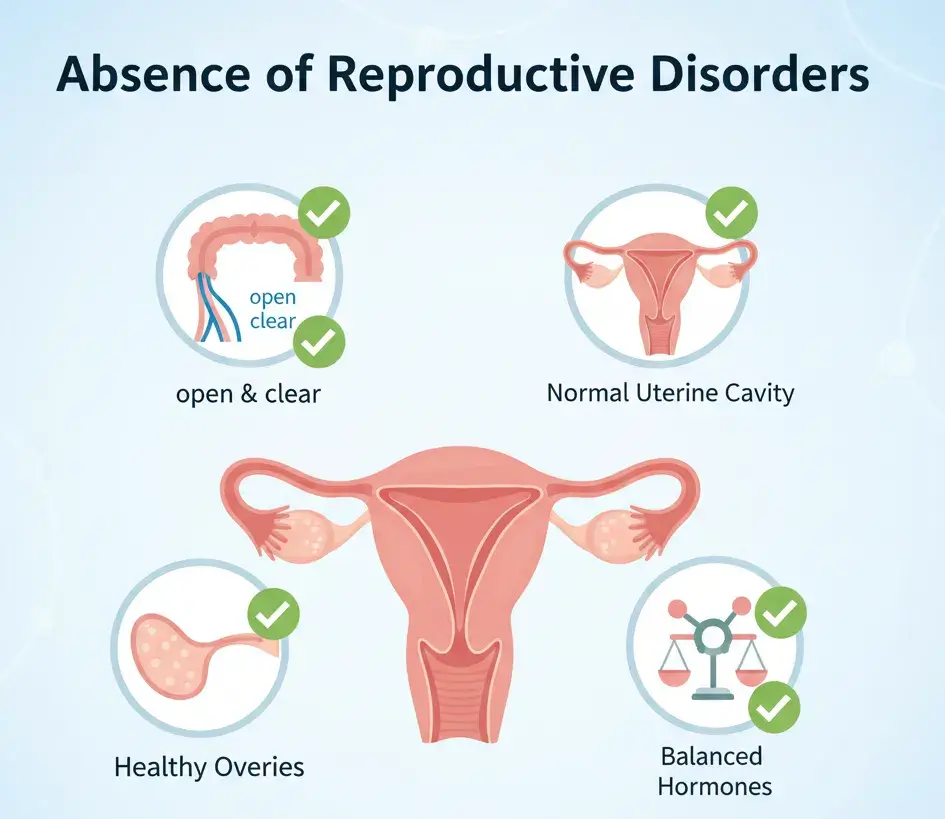
Conditions like Polycystic Ovary Syndrome and Endometriosis can affect fertility.
Women without these conditions are more likely to experience:
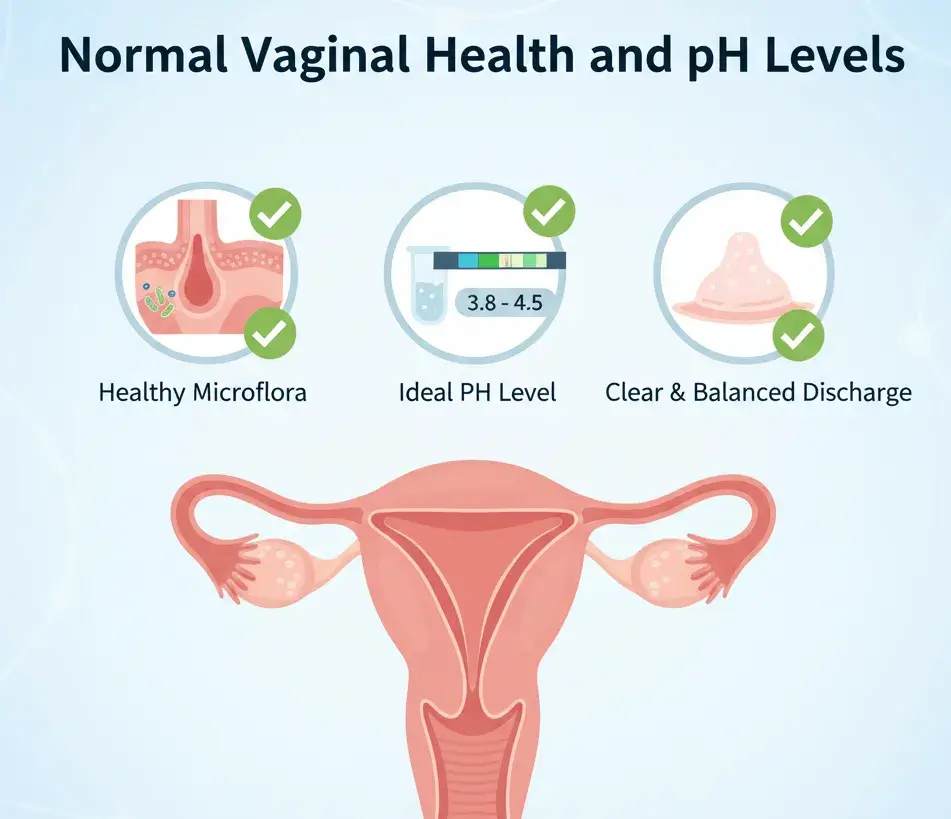
A healthy vaginal environment supports sperm survival.
Signs include:
Balanced pH levels create an ideal environment for conception.
Female fertility is affected by several biological, lifestyle, and environmental factors. Knowing these helps you understand your reproductive health more clearly and make informed choices.

Fertility peaks in twenties, slowly declines after thirty, and drops faster after thirty five due to reduced egg quality and lower ovarian reserve affecting conception chances overall

Healthy habits strongly support fertility. Balanced diet, regular exercise, and proper sleep improve hormone balance, support ovulation, and help maintain consistent reproductive function overall

Health conditions like thyroid disorders, diabetes, and hormonal imbalance can affect fertility, but early diagnosis and proper treatment often help restore normal ovulation and reproductive health

Fertility can be affected by external factors such as toxins, smoking, alcohol, and stress. Reducing exposure helps protect hormones and supports overall reproductive health balance
Supporting fertility naturally involves simple, targeted habits that improve hormonal balance and reproductive function.

High fertility is not defined by a single sign but by a combination of physical, hormonal, and emotional indicators. From a regular menstrual cycle to clear cervical mucus and consistent ovulation, your body provides valuable clues about your reproductive health.
By paying attention to these signs and maintaining a healthy lifestyle, you can better understand your fertility and take proactive steps toward your goals.
If you notice irregularities or have concerns, seeking medical advice is always the best next step. Fertility is a journey, and understanding your body is the first and most important part of it.