Many people start thinking about fertility only when they try to have a baby and things do not happen as quickly as expected. It can feel worrying when months pass without success, leading to questions about whether something might be wrong.
People often feel confused about ovulation, sperm health, age-related fertility decline, and how long it normally takes to conceive. Misinformation online can make the process even more stressful and overwhelming.
This guide explains fertility in simple terms and answers common concerns. You will learn how fertility works, what affects it, possible causes of infertility, and what steps can improve your chances of conception.
Fertility is the natural ability of a person to have a child. In simple terms, it means the body can successfully conceive through regular, unprotected sexual intercourse without medical help.
Most healthy couples are considered fertile if pregnancy happens within 12 months of trying. If pregnancy does not occur after one year, it may be called infertility. For women over the age of 35, doctors usually recommend checking fertility after six months of trying.
Fertility is affected by many factors, including age, hormone balance, overall health, and lifestyle habits. It can change over time, which is why understanding fertility early can help people make better decisions about family planning.

Fertility involves a series of biological steps that must happen correctly for pregnancy to occur. First, the female body releases an egg during ovulation.
Ovulation usually occurs once per menstrual cycle, typically around the middle of the cycle.
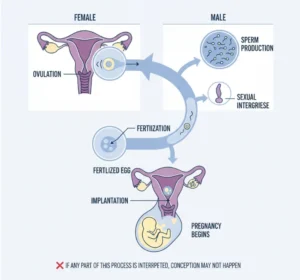
At the same time, the male body produces sperm cells. During sexual intercourse, sperm travel through the cervix and uterus toward the fallopian tubes.
If a sperm successfully fertilizes the egg, a fertilized egg is formed. This fertilized egg then travels to the uterus and attaches to the uterine lining. This process is called implantation.
Pregnancy begins when implantation is successful.
If any part of this process does not occur properly, conception may not happen.
Female fertility depends on healthy reproductive organs, including the ovaries, fallopian tubes, uterus, and cervix. These organs work together to make pregnancy possible.
Women are born with a fixed number of eggs in their ovaries. Each month, hormones help release one egg in a process called ovulation. The egg moves through the fallopian tube, where it can be fertilized by sperm.
Fertility is usually highest in the 20s. It slowly declines after age 30 and drops more after 35. Regular periods often mean ovulation is happening normally, while irregular cycles may signal a fertility issue.


Male fertility mainly depends on healthy sperm. The body needs to produce enough sperm, and the sperm must be strong enough to reach and fertilize the egg.
Sperm are made in the testes and released during ejaculation. For pregnancy to happen, sperm should meet these basic conditions:
Men continue producing sperm throughout life, but sperm quality may slowly decline with age. Low sperm count or weak sperm movement can make conception more difficult.
Many factors can influence fertility in both men and women. Some are within your control, while others are not.

Fertility naturally declines with age, especially after 30 in women and gradually in men, affecting egg quality, sperm health, and chances of pregnancy.

Smoking, alcohol, drugs, poor diet, little exercise, and too much caffeine can negatively affect hormones, egg quality, sperm strength, and overall reproductive health.
Being overweight or underweight can disturb hormone balance, affect ovulation in women, reduce sperm quality in men, and lower chances of successful conception.

Long-term stress can disrupt hormone levels, affect ovulation, reduce libido, impact sperm production, and make it harder for the body to support pregnancy.

Health issues like diabetes, thyroid disorders, hormone imbalance, and autoimmune diseases can interfere with ovulation, sperm production, and fertility function.

Exposure to chemicals, pollution, radiation, and harmful toxins may damage eggs or sperm, disturb hormones, and reduce overall reproductive health over time.
Fertility signs are not always obvious, but some indicators may suggest reproductive health status. It is important to note that fertility problems may exist even without noticeable symptoms.
Infertility can affect both men and women. Sometimes no clear cause is found. This is known as unexplained infertility. In many cases, more than one factor may contribute.
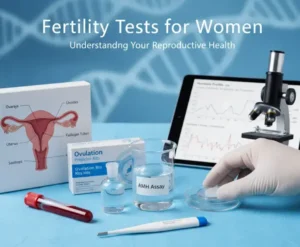
Fertility testing helps identify possible problems. Doctors may also recommend hormone testing or genetic testing if needed.
Common female fertility tests include:
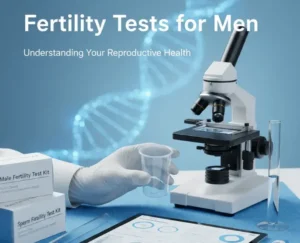
Male fertility is usually tested through semen analysis.
Semen analysis checks:
Healthy daily habits can support hormone balance, improve egg and sperm quality, and increase the chances of conception. Small lifestyle changes often make a meaningful difference over time.

Early evaluation can identify possible fertility issues and improve the chances of successful treatment.
Visiting a qualified doctor or a trusted fertility clinic in Surrey can help you understand the underlying cause and explore suitable options. Consider consulting a professional if:
Fertility is a complex but natural process that depends on many factors. Both men and women play important roles in conception, and reproductive health changes over time.
Understanding fertility helps individuals make informed decisions about family planning. Healthy lifestyle choices, early testing, and medical support can improve the chances of pregnancy.
If difficulties arise, professional guidance can provide clarity and solutions. With the right knowledge and care, many fertility challenges can be addressed successfully.