
Fertility is closely linked to overall health, lifestyle choices, and daily habits. For many people trying to conceive, the process can feel overwhelming, especially when results do not happen quickly.
While medical treatments such as IVF or hormonal therapy may be necessary in some cases, many couples begin by improving natural fertility factors first.
The good news is that the body often responds positively to consistent lifestyle changes. Nutrition, stress levels, sleep quality, and environmental exposure all play an important role in reproductive health for both men and women.
This guide explains 10 natural, practical, and science-supported ways to support and improve fertility in a simple and realistic way.
Fertility is not just about the reproductive organs. It is influenced by the entire body’s internal balance, including hormones, metabolism, immune function, and emotional wellbeing.
When the body is in a balanced state, ovulation becomes more regular, sperm quality improves, and the chances of natural conception increase.
On the other hand, poor diet, chronic stress, lack of sleep, and exposure to toxins can disrupt hormonal balance and reduce fertility potential.
Supporting fertility health early can also improve the outcomes of assisted reproductive treatments if they become necessary later.

Improving fertility naturally is usually about making small but consistent lifestyle changes that support hormones, reproductive health, and overall wellbeing.
When combined, these habits can help create a healthier environment for conception.
Nutrition is one of the most important factors in reproductive health. A fertility-friendly diet supports hormone production, egg quality, and sperm health.
Focus on whole, nutrient-dense foods such as:
Key nutrients that support fertility include folate, iron, zinc, vitamin D, and omega-3 fatty acids. These nutrients help regulate ovulation and improve reproductive cell health.
Avoid heavily processed foods, refined sugars, and trans fats, as they can disrupt hormonal balance.


Body weight has a direct effect on fertility hormones. Being underweight or overweight can both interfere with ovulation and sperm production.
Excess body fat may lead to higher estrogen levels, which can disrupt the menstrual cycle. On the other hand, very low body fat can reduce hormone production needed for ovulation.
A balanced, sustainable approach to weight management is recommended. This includes healthy eating patterns and regular physical activity rather than extreme dieting.
Chronic stress can affect fertility by disrupting hormones and reducing ovulation and sperm quality. High stress increases cortisol levels, which may interfere with normal reproductive function.
Stress can be managed through simple habits like meditation, deep breathing, yoga, or light stretching. Even short daily practices can help calm the body and mind.
Spending time outdoors and seeking emotional support when needed can also improve wellbeing. Lower stress levels help the body function more naturally and support fertility health.
Sleep is often overlooked, but it is essential for hormone regulation. Poor sleep can disrupt melatonin and reproductive hormones such as estrogen, progesterone, and testosterone.
To improve sleep quality:
A healthy circadian rhythm supports both ovulation in women and sperm production in men.
Physical activity improves blood circulation, reduces stress, and helps maintain hormonal balance. However, both too little and too much exercise can negatively affect fertility.
Recommended activities include:
High-intensity training or excessive exercise may disrupt menstrual cycles, so balance is key.

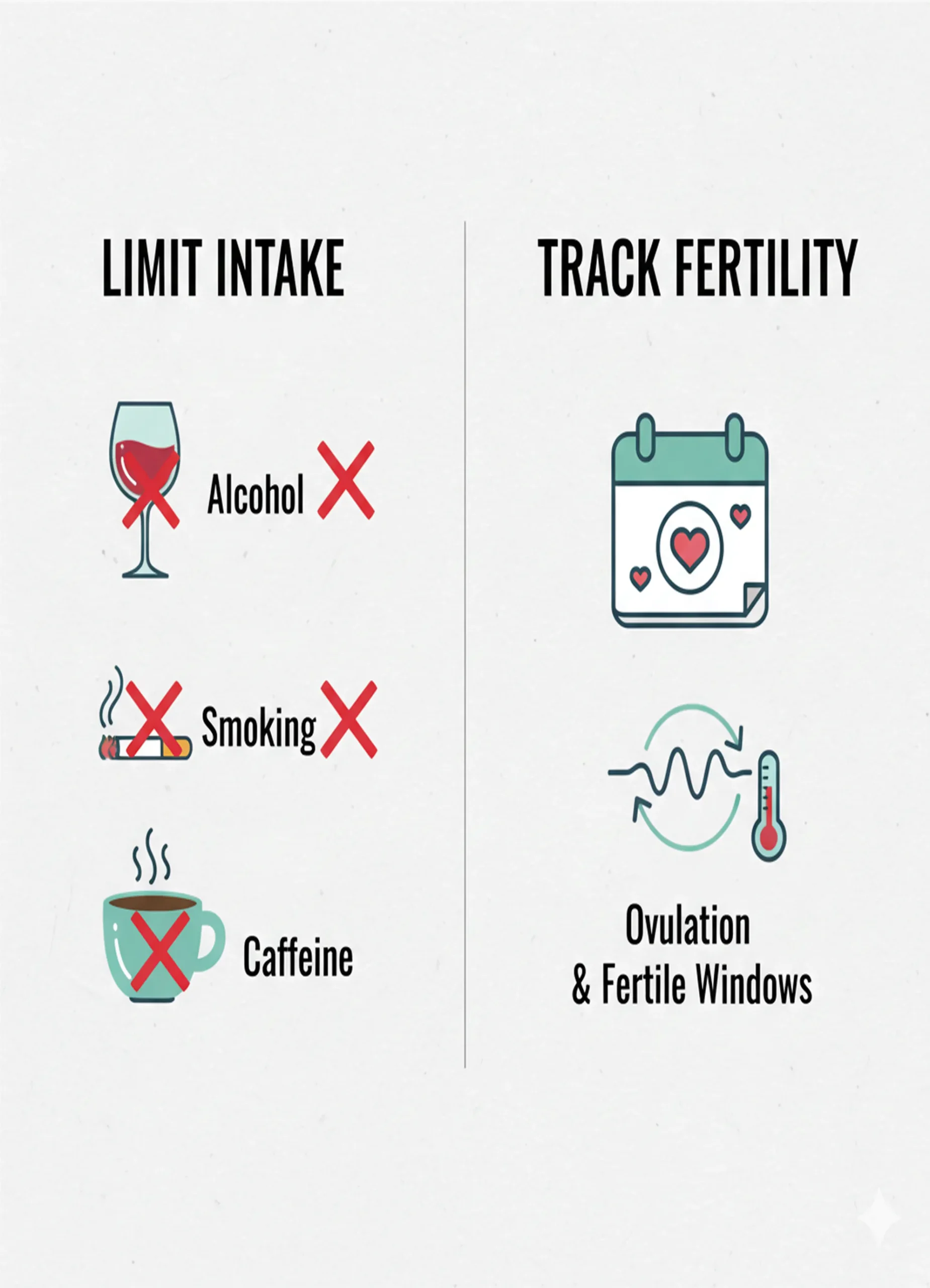
Lifestyle habits significantly impact reproductive health. Alcohol and smoking are known to reduce fertility in both men and women.
Smoking can damage egg quality and reduce sperm count. Alcohol may interfere with hormone production and ovulation. Excess caffeine intake may also affect fertility outcomes in some individuals.
Reducing or eliminating these substances can significantly improve natural conception chances over time.
Understanding the menstrual cycle is essential for timing intercourse effectively. The fertile window usually occurs around ovulation, when an egg is released from the ovary.
Common tracking methods include:
Accurate tracking helps identify the most fertile days, improving the chances of conception.
Hormonal balance is central to fertility health. Even small disruptions can affect ovulation and reproductive function.
Natural ways to support hormones include:
A stable hormonal environment supports regular cycles and healthy egg development.

Modern environments contain chemicals that may interfere with fertility.
These include pesticides, plastics containing BPA, and certain household chemicals.
To reduce exposure:
Minimizing toxin exposure supports healthier hormone function and reproductive health.


While diet should always come first, certain supplements may support fertility when needed. Common fertility-supporting nutrients include:
It is important to consult a healthcare professional before starting any supplements, especially when trying to conceive.
Natural methods can improve fertility, but they may not be enough in all cases. It is advisable to seek medical support if:
In such cases, consulting a fertility clinic in London can help identify underlying causes through proper testing and provide tailored treatment options.
Fertility specialists can then recommend the most suitable next steps based on individual needs.
Fertility is not only about short-term conception goals but also long-term reproductive wellbeing.
Maintaining healthy habits consistently can improve outcomes over time.
Key long-term tips include:
Consistency is more important than perfection when it comes to fertility health.

Improving fertility naturally involves a combination of healthy lifestyle choices, emotional wellbeing, and awareness of reproductive health. While there is no single solution that guarantees conception, adopting these 10 natural strategies can significantly improve the body’s readiness for pregnancy.
A balanced diet, healthy weight, good sleep, stress control, and reduced toxin exposure all work together to create an environment where fertility can thrive. For some individuals, these changes may be enough, while others may still need medical guidance.
Either way, building a strong foundation of health is the most effective first step toward improving fertility and increasing the chances of successful conception.