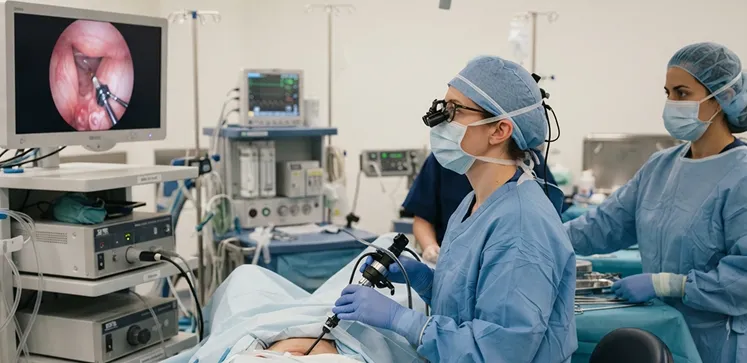
Hysteroscopy is a minimally invasive gynaecological procedure used to examine the inside of the uterus and diagnose or treat conditions such as uterine polyps, fibroids, and abnormal bleeding.
It may also be recommended for women experiencing fertility problems or unexplained menstrual changes. Choosing an experienced hysteroscopy surgeon can help ensure an accurate diagnosis and appropriate treatment.
The UK has many qualified consultant gynaecologists offering diagnostic and operative hysteroscopy. In this guide, we explore 10 specialists, their locations, and clinical expertise to help you find the right surgeon for your needs.
Our selection focuses on publicly available professional information and relevant clinical experience. We consider:
This is an informational shortlist, not an official ranking or a guarantee of treatment outcomes. Individual suitability depends on your medical needs.
Below is a list of 10 hysteroscopy surgeons, including their names and locations.
You can explore their individual profiles and clinical expertise in the sections below.
Professor Bassel H. Al Wattar is one of the well-known hysteroscopy surgeons and gynaecologists in the UK, recognised for his expertise in reproductive medicine, fertility, and women’s health.
Based in London and practising at Luna Fertility, he combines clinical practice with academic research in reproductive healthcare.
He is a Royal College of Obstetricians and Gynaecologists (RCOG)-accredited subspecialist in reproductive medicine. His main areas of interest include:
His experience makes him a notable specialist for women seeking advice about fertility and uterine health. Patients should confirm his current availability for diagnostic or operative hysteroscopy before booking.

Mr Osama Naji is a consultant gynaecologist at Guy’s and St Thomas’ NHS Foundation Trust, with specialist expertise in outpatient hysteroscopy, colposcopy, and advanced gynaecological ultrasound.
He has Royal College accreditation in both diagnostic and operative hysteroscopy, reflecting his specialist training in investigating and treating conditions affecting the uterus.
His clinical expertise includes the assessment and management of:
With his experience in outpatient hysteroscopy and gynaecological ultrasound, Mr Naji offers expertise in both investigating uterine conditions and planning appropriate treatment.
Dr Arohan Sapkota is a consultant gynaecologist at the Royal Free Hospital in London, specialising in minimally invasive gynaecological surgery and the management of complex benign conditions.
He has advanced training in both hysteroscopy and laparoscopic surgery, allowing him to assess and treat a range of uterine and pelvic conditions.
His clinical expertise includes:
His experience in hysteroscopic and laparoscopic procedures makes him relevant to women seeking minimally invasive treatment for benign gynaecological conditions.
Miss Patricia Cox is a consultant gynaecologist at the Royal Free Hospital in London, with clinical interests in outpatient hysteroscopy, menopause care, and the investigation of abnormal menstrual bleeding.
She has completed advanced specialist training in hysteroscopy and performs both diagnostic and operative outpatient procedures.
Her clinical expertise covers several areas of women’s reproductive health, including:
Her advanced hysteroscopy training and interest in pain management are particularly relevant to women who feel anxious about undergoing gynaecological investigations.
Miss Tilottama Nandy is a consultant gynaecologist at Guy’s and St Thomas’ NHS Foundation Trust in London.
She has experience managing benign gynaecological conditions, including heavy menstrual bleeding, uterine polyps, and fibroids. She holds Royal College accreditation in diagnostic and operative hysteroscopy and provides outpatient hysteroscopy services.
Her clinical interests and areas of expertise include:
Her experience in diagnostic and operative hysteroscopy makes her relevant to women seeking investigation and treatment for uterine conditions, particularly those experiencing menstrual problems.
Dr John Anderson is a consultant obstetrician and gynaecologist at Bradford Teaching Hospitals NHS Foundation Trust. Hysteroscopy is among his stated specialist interests, alongside high-risk obstetrics and clinical quality improvement.
He completed his specialist training in October 2014 and was appointed as a consultant in 2015. His professional background includes experience in managing women’s reproductive health conditions and providing gynaecological care.
His relevant professional interests include:
For women in Bradford and surrounding areas, Dr Anderson is a consultant worth considering when looking for local hysteroscopy services.
Patients should confirm the specific diagnostic or operative procedures he currently offers before arranging an appointment.
Mr Andrew Pickersgill is a consultant obstetrician and gynaecologist at Manchester University NHS Foundation Trust.
He has extensive experience in minimally invasive gynaecological surgery, including advanced hysteroscopic and laparoscopic procedures. His clinical interests cover several conditions affecting women’s reproductive and pelvic health.
His areas of expertise include:
His experience in reproductive surgery and minimally invasive procedures is particularly relevant to women who need treatment for uterine conditions alongside infertility concerns.
Dr Josephine Sandwell is a consultant gynaecologist at Guy’s and St Thomas’ NHS Foundation Trust in London.
Her clinical interests include pelvic pain, uterine fibroids, endometriosis, and problematic menstrual periods. She provides outpatient hysteroscopy, including procedures to treat uterine polyps and fibroids.
Her clinical expertise includes:
Her experience in outpatient hysteroscopy and minimally invasive gynaecological surgery makes her relevant to women seeking assessment and treatment for benign uterine conditions.
Dr Stefan Sevov is a consultant obstetrician and gynaecologist at University Hospitals of Morecambe Bay NHS Foundation Trust. His specialist interests include outpatient and theatre-based hysteroscopy, benign gynaecology, and minimally invasive surgery.
His experience covers different aspects of hysteroscopy and the management of common uterine conditions, including:
His experience in both outpatient and theatre-based hysteroscopy is particularly relevant to patients who may require anything from an initial uterine examination to further surgical treatment.
Mr Wenzhuang Chin is a consultant obstetrician and gynaecologist working with Frimley Health NHS Foundation Trust. His professional training includes advanced training skills modules in outpatient hysteroscopy. His wider clinical interests include benign gynaecology, pelvic pain, menstrual disorders, and menopause care.
His relevant clinical interests include:
He sees patients at Heatherwood Hospital and Wexham Park Hospital, making him a relevant consultant to consider for women in Berkshire and nearby areas seeking gynaecological assessment.
The following table provides a quick overview of the specialists, their locations, and their publicly documented areas of expertise.
Hysteroscopy surgeon | Location | Relevant clinical expertise |
Professor Bassel H. Al Wattar | London | Reproductive medicine and menstrual health |
Mr Osama Naji | London | Diagnostic and operative hysteroscopy |
Dr Arohan Sapkota | London | Diagnostic and operative hysteroscopy |
Miss Patricia Cox | London | Outpatient hysteroscopy |
Miss Tilottama Nandy | London | Diagnostic and therapeutic hysteroscopy |
Dr John Anderson | Bradford | Hysteroscopy and general gynaecology |
Mr Andrew Pickersgill | Manchester | Advanced hysteroscopic surgery |
Dr Josephine Sandwell | London | Outpatient hysteroscopy |
Dr Stefan Sevov | Morecambe Bay | Outpatient and theatre-based hysteroscopy |
Mr Wenzhuang Chin | Berkshire | Outpatient hysteroscopy training |
Note: The table summarises published professional information rather than comparing surgical outcomes or ranking individual performance.
Hysteroscopy treatment generally fall into two main categories, depending on whether the purpose is to investigate a condition or treat it.
The most suitable procedure depends on symptoms, examination findings, and individual treatment needs.
Choosing a hysteroscopy specialist involves more than looking at qualifications. Consider the following factors before booking:
It is also worth checking the surgeon’s current GMC registration and discussing your medical history during the initial consultation.
Before the procedure:
Your specialist will discuss your symptoms, medical history, and any previous investigations. You will receive instructions about preparation, pain relief, and whether anaesthesia is required.
During the procedure:
A thin camera is gently passed through the cervix into the uterus. Saline solution may be used to improve visibility. The specialist examines the uterine cavity and may take a biopsy or remove a small growth if planned and appropriate.
After the procedure:
Mild cramping and light bleeding or spotting are common. Many women return to normal activities the same day, although recovery depends on the type of hysteroscopy performed. Follow your clinician’s advice about exercise, sexual activity, and vaginal products.
If you experience severe pain, fever, worsening bleeding, or unpleasant-smelling discharge, contact your healthcare provider promptly.
The cost of private hysteroscopy varies depending on the hospital, consultant, procedure type, and anaesthesia requirements.
As a general guide, private diagnostic hysteroscopy may cost around £1,200–£2,200, while operative procedures can cost approximately £2,000–£5,000 or more. Additional charges may apply for consultations, biopsies, laboratory testing, and follow-up appointments.
NHS hysteroscopy is generally available without direct payment for eligible patients referred through the NHS. Always request a written private treatment quote to understand what is included.
Both NHS and private healthcare providers offer hysteroscopy services. However, they differ in cost, waiting times, referral requirements, and consultant choice.
Feature | NHS hysteroscopy | Private hysteroscopy |
Cost | Free | Self-funded or insured |
Referral | Usually required | Often direct booking |
Waiting time | Varies by urgency | Often shorter |
Surgeon choice | Hospital allocation | Consultant choice |
Treatment | NHS pathways | Provider-dependent |
Follow-up | NHS services | Private provider |
Private hysteroscopy may offer more flexibility and quicker appointments, while NHS treatment is free at the point of use.
Your choice should depend on your medical needs, budget, and personal preferences.
Choosing the right hysteroscopy surgeon is important for diagnosing and treating uterine conditions such as fibroids, polyps, and abnormal bleeding. The UK has several experienced gynaecologists offering diagnostic and operative hysteroscopy.
The specialists featured in this guide have different clinical interests and experience in hysteroscopy. Before booking, check their current services, qualifications, treatment options, and hospital affiliations.
Discuss your symptoms, pain relief preferences, and treatment costs during your consultation. Ultimately, choose a specialist whose experience matches your medical needs and who makes you feel comfortable and informed throughout your care.