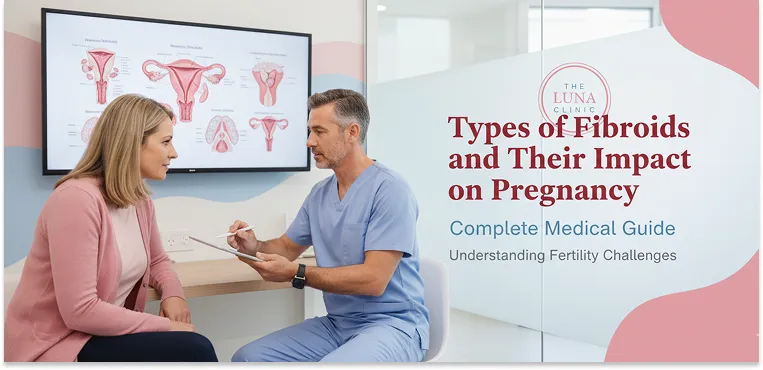
Being told you have uterine fibroids can be stressful, especially if you are planning a pregnancy. Many women immediately worry about fertility problems, miscarriage risk, or complications during pregnancy.
In many cases, visiting a fibroid treatment clinic can help you get clear answers and proper guidance early on.
The truth is, fibroids affect each woman differently. Some cause no symptoms, while others may lead to pain, heavy periods, or difficulty conceiving, depending on their type and location.
This guide will help you understand fibroids in a very simple way, so you know what they mean for pregnancy, what to expect, and how they can be managed safely.
Uterine fibroids, also called myomas or leiomyomas, are growths made of muscle and fibrous tissue that develop in or around the uterus.
They are influenced by hormones like estrogen and progesterone, which is why they are more common during reproductive years and often shrink after menopause.
Fibroids can vary widely:
Their impact depends less on their presence and more on their location and size.
The position of fibroids in the uterus plays a major role in symptoms and pregnancy outcomes.
Intramural fibroids grow within the muscular wall of the uterus. They are the most common type and can range from small to quite large in size.
Small intramural fibroids often cause no issues, but larger ones may slightly change the shape of the uterus and sometimes affect fertility or increase discomfort during pregnancy.
Submucosal fibroids grow just under the inner lining of the uterus and can push into the uterine cavity. Even small ones can have an impact on fertility.
They may make it harder for an embryo to implant properly and can increase the risk of miscarriage or early pregnancy loss.
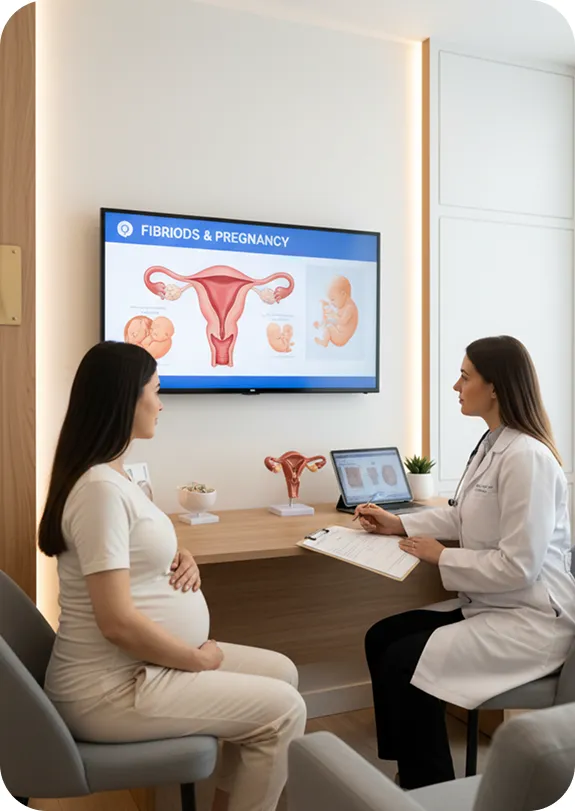
Subserosal fibroids develop on the outer wall of the uterus. They usually grow outward and do not affect the uterine lining.
Most of the time, they do not interfere with pregnancy or fertility, but larger ones may cause pressure symptoms like back pain or frequent urination.
Pedunculated fibroids are attached to the uterus by a thin stalk, either inside or outside the uterine surface. They can vary in size and usually grow outward.
In most cases, they are harmless during pregnancy, but if the stalk twists, it can cause sudden sharp pain that may need medical attention.
Apart from location, fibroids are also classified by how large they are and how many exist.
Small fibroids are usually less likely to affect fertility or pregnancy. Many women have them without experiencing any symptoms and may only discover them during a routine ultrasound.
In most cases, small fibroids do not interfere with implantation or fetal development. Doctors often recommend regular monitoring rather than treatment unless symptoms become problematic.
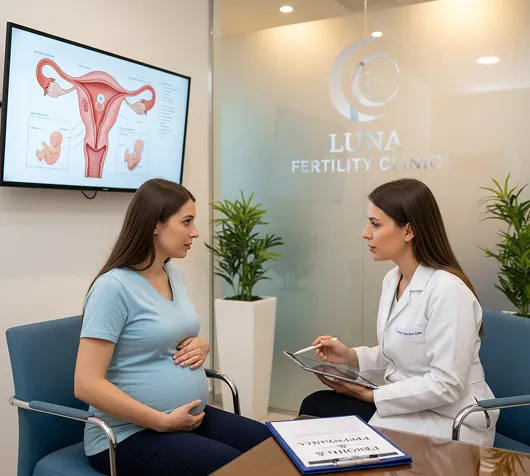
Large fibroids can take up significant space within or around the uterus. As they grow, they may alter the normal shape of the uterus and affect reproductive function.
Depending on their location, large fibroids may increase the risk of fertility problems, miscarriage, preterm labor, or pregnancy discomfort. They often require closer monitoring before and during pregnancy.
Some women develop several fibroids at the same time, a condition known as leiomyomatosis. These fibroids can vary in size and may be located in different areas of the uterus.
When multiple fibroids are present, they can collectively affect the uterine environment and make conception more challenging. The overall impact depends on their number, size, and location rather than simply how many fibroids exist.

Many women with fibroids get pregnant without any problems. However, some fibroids can make conception more difficult, depending on their size and location.
Fibroids may affect fertility by:
Not every fibroid affects fertility. The impact varies from person to person and depends on the type, size, and position of the fibroid.
Fibroids can sometimes cause pregnancy problems, especially if they are large or inside the uterus. These may include miscarriage, early labor, or the baby not being in the correct position.
In some cases, fibroids can also lead to a C-section. Still, most women with fibroids have normal, healthy pregnancies with proper medical care and regular checkups.
Fibroids may become more noticeable during pregnancy due to hormonal changes.
Common symptoms include:
A condition called red degeneration may happen when a fibroid outgrows its blood supply, causing pain but usually resolving with rest and care.
Fibroids are usually diagnosed through imaging tests such as:
Top fertility specialist Doctors typically monitor fibroids throughout pregnancy to track growth and ensure fetal safety.

During pregnancy, fibroids are usually managed without surgery. Most doctors focus on keeping the mother comfortable and monitoring the baby’s growth.
Treatment mainly includes safe pain relief, rest, hydration, and regular ultrasound checks. Surgery is rarely needed and is only considered in severe cases.
Women planning fertility treatments like IVF are usually checked for fibroids first. This helps doctors understand if fibroids may affect implantation or treatment success.
If needed, treatment may include removing fibroids, hormonal therapy, or detailed scans to assess the uterus. Managing fibroids before fertility treatment can improve the chances of a successful pregnancy.
Fibroids cannot always be prevented, but healthy habits may help lower the risk of developing them or reduce their growth. Small lifestyle changes can support overall reproductive health.
Maintaining a healthy weight, eating a balanced diet, staying active, and having regular gynecological checkups can help with early detection and better management.
The presence of uterine fibroids does not define a woman’s fertility or pregnancy journey. Many women with fibroids experience normal conception, healthy pregnancies, and smooth deliveries.
The key factor is understanding the type, size, and location of fibroids and monitoring them appropriately. With modern ultrasound technology and medical care, fibroids are now managed more effectively than ever before.
If you are planning a pregnancy or are already pregnant and have fibroids, regular medical guidance ensures the safest outcome for both mother and baby.