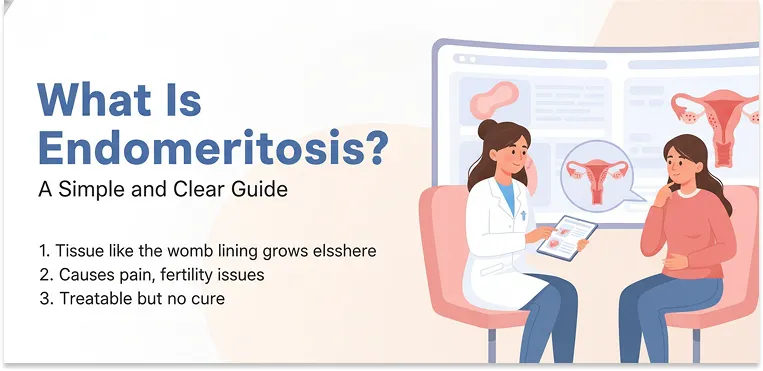
Endometriosis is a health condition that affects many people who have a menstrual cycle, yet it is often misunderstood or diagnosed late. It can cause pain, discomfort, and other symptoms that interfere with daily life, work, and overall well-being.
Even though it is common, many people struggle for years before getting a clear answer. The good news is that understanding endometriosis is the first step toward better care, treatment, and relief, and in some cases people may even seek help from a fertility treatment clinic when the condition affects their ability to conceive.
In this guide, we will explain endometriosis in simple language—what it is, why it happens, its symptoms, stages, diagnosis, and treatment options.
Endometriosis is a condition where tissue similar to the lining of the uterus (called the endometrium) grows outside the uterus.
Normally, this tissue should only be inside the uterus and shed during each menstrual period. But in endometriosis, similar tissue grows in places it shouldn’t, such as:
Like the normal uterine lining, this tissue also reacts to hormonal changes during the menstrual cycle. It thickens, breaks down, and bleeds.
However, since it is outside the uterus, the blood has no way to leave the body. This leads to inflammation, pain, and sometimes scar tissue.
Over time, this can cause chronic discomfort and other complications.
The exact cause of endometriosis is not fully known, but several possible explanations exist. Researchers believe it may develop due to a combination of factors rather than a single cause.
This is one of the most common theories. It suggests that menstrual blood flows backward through the fallopian tubes into the pelvic cavity instead of leaving the body.
Estrogen plays a major role in endometriosis. High levels of estrogen may encourage the growth of endometrial-like tissue outside the uterus.
In some cases, the immune system may not properly recognize or eliminate misplaced endometrial-like cells, allowing them to survive, attach, and grow in abnormal locations within the body.
Endometriosis can sometimes run in families, meaning that if a close relative such as a mother or sister has the condition, the risk of developing it may be higher due to inherited genetic factors.
In rare situations, endometrial cells may spread and attach to surgical scars after procedures like C-sections or hysterectomies, leading to the development of endometriosis in those scarred areas.
Endometriosis symptoms can vary widely. Some people experience severe pain, while others may have mild symptoms or none at all.
Common Early Symptoms
Early signs of endometriosis often include:
These symptoms may become more noticeable over time.
As the condition progresses, symptoms can become more intense and frequent:
In some cases, the pain may no longer follow the menstrual cycle and becomes constant.
Endometriosis is not only linked to periods. Some people may feel ongoing pelvic pain, lower abdominal discomfort, or pain during physical activity at different times of the month.
It can also affect digestion and mood, causing issues like bloating, bowel discomfort, stress, or anxiety. Since these symptoms are not tied to periods, they can be harder to recognize.
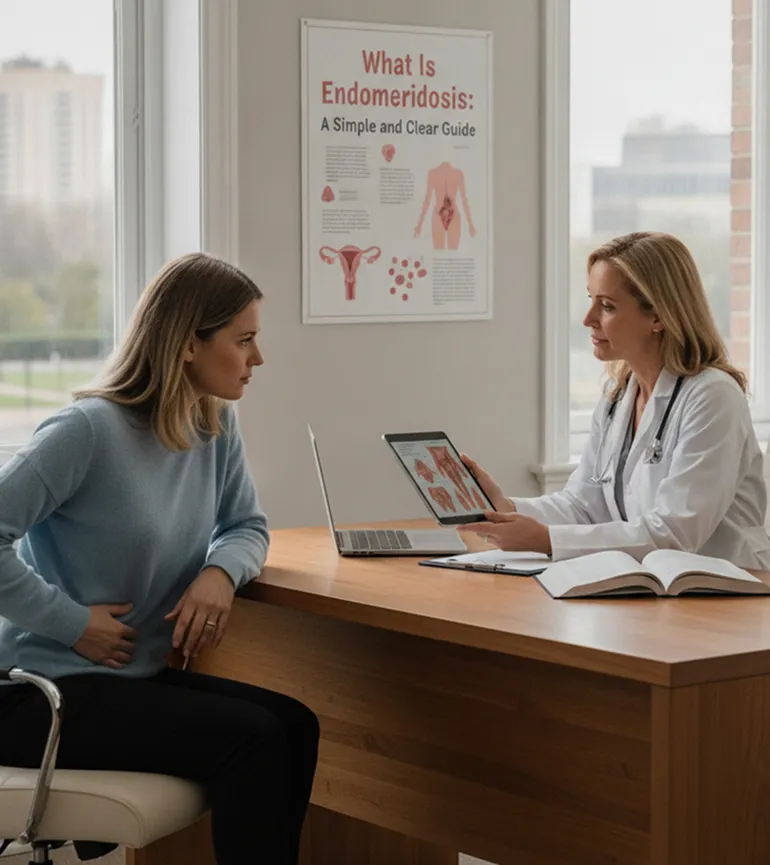
Endometriosis is classified into four stages based on the location, amount, and depth of tissue growth. However, it is important to understand that the stage does not always reflect the severity of pain.
These symptoms do not automatically mean cancer, but they should always be evaluated by a healthcare professional.
In this early stage, there are small patches of endometrial-like tissue with little to no deep implants, mild inflammation, and very little scar tissue, and symptoms are often so mild that they may go unnoticed.
This stage includes more implants than stage 1 with slightly deeper tissue growth and mild scar tissue formation, and people may begin to notice more clear period pain or discomfort during menstruation.
At this stage, multiple deep implants may develop along with small ovarian cysts called endometriomas and more noticeable scar tissue, often leading to stronger pelvic pain and more disruptive menstrual symptoms.
This is the most advanced stage, where widespread deep implants, large ovarian cysts, and thick scar tissue are present, sometimes causing organs to stick together and leading to significant pain and possible fertility issues.
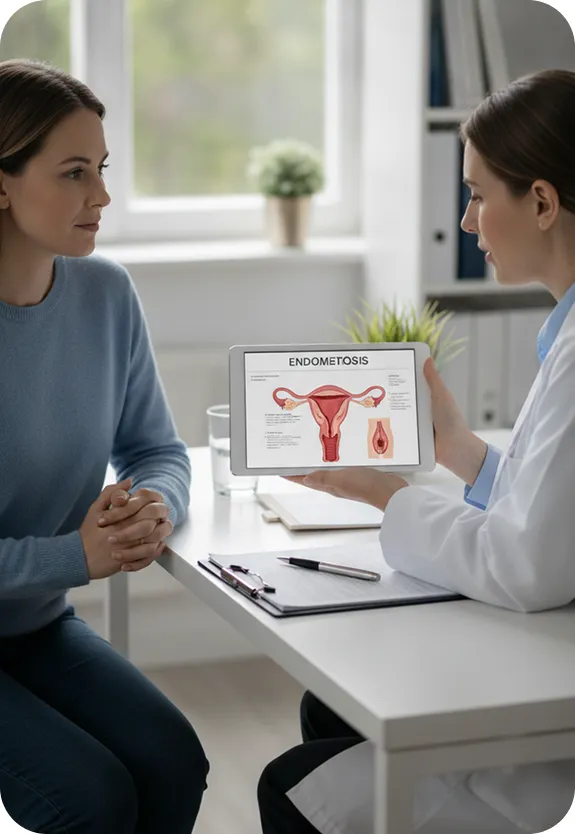
Endometriosis is diagnosed by checking symptoms, doing a physical exam, and using medical tests.
Since it can look like other conditions, doctors often use more than one method to confirm it.
Common ways doctors diagnose it include:
These steps help doctors find the condition and start the right treatment.
Endometriosis cannot be fully cured, but it can be managed with treatments that help reduce pain and control symptoms.
Doctors choose treatment based on how severe the condition is and how it affects daily life.
Common treatment options include:
These treatments can improve comfort, reduce pain, and help people live a more normal daily life.
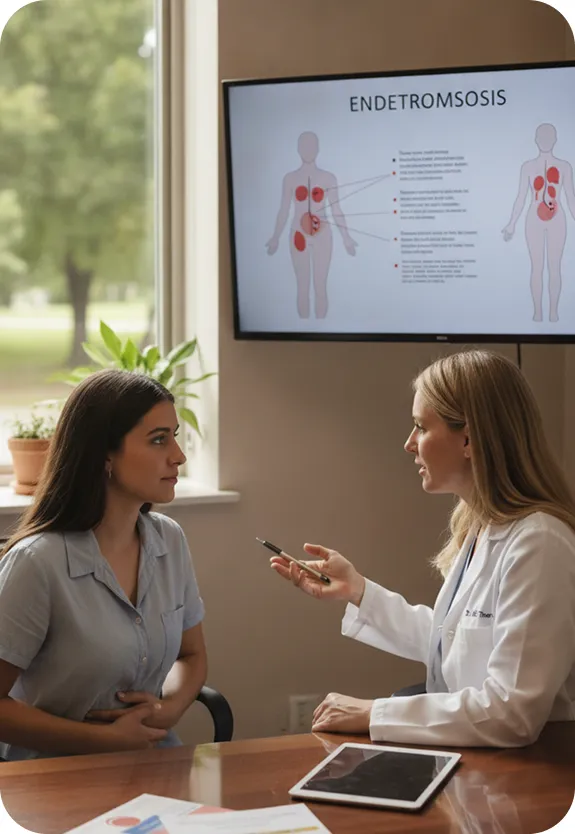
Living with endometriosis can be challenging, especially when symptoms affect daily life.
However, many people manage the condition successfully with the right support.
Helpful strategies include:
Understanding your body and recognizing triggers can also make a big difference.
Endometriosis can sometimes affect fertility, but it does not always mean a person cannot get pregnant.
In some cases, it may cause inflammation, blocked fallopian tubes, or changes in the reproductive organs that make conception more difficult.
However, many people with endometriosis still conceive naturally or with medical support.
Early diagnosis and proper treatment can improve the chances of pregnancy and support better reproductive health.
If endometriosis is not managed properly, it can sometimes lead to long-term health problems.
These complications may affect daily comfort, reproductive health, and overall quality of life.
Common complications include:
Early diagnosis and treatment can help reduce the risk of these complications.
You should see fertility doctor if your period pain feels unusually strong or starts affecting your daily life.
It is also important to get checked if you notice heavy bleeding, pain during sex, or ongoing pelvic pain that does not go away.
Other signs include:
Getting medical advice early can help identify the problem sooner and improve treatment options.
Endometriosis is a long-term condition that affects many people worldwide, often silently. It can cause pain, heavy periods, and fertility issues, but with the right diagnosis and treatment, symptoms can be managed effectively.
Understanding the condition is the first step toward better health. If you or someone you know experiences persistent pelvic pain or unusual menstrual symptoms, seeking medical advice early can make a big difference.
With awareness, support, and proper care, living well with endometriosis is absolutely possible.