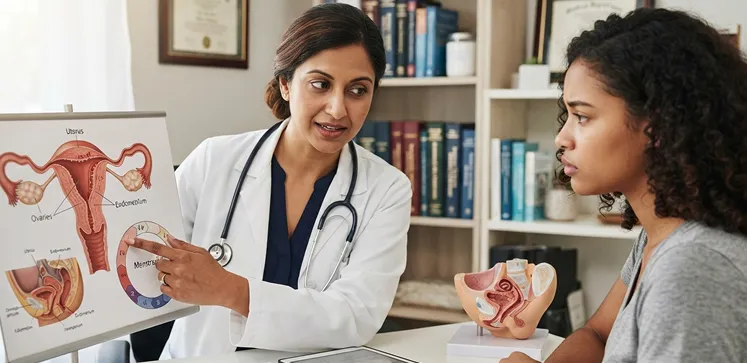
Missing a period can happen for several reasons, including pregnancy, stress, hormonal changes, or certain medical conditions.
The medical term for absent periods is amenorrhea. It occurs when periods stop or do not begin by the expected age.
Understanding the causes and treatment options can help you identify possible health concerns and know when to seek medical advice.
Amenorrhea is the absence of menstrual periods during the years when menstruation would normally occur.
There are two main types of amenorrhea:
Pregnancy, breastfeeding, and menopause can naturally stop menstrual periods.
However, missed periods outside these situations may indicate a hormonal imbalance or another underlying condition.
The first step is to identify the reason your periods have stopped.
Several factors can affect the hormones responsible for regulating the menstrual cycle. The most common causes of amenorrhea include the following.
Pregnancy is one of the first things to consider when a period is missed, and pregnancy is possible. After conception, hormonal changes prevent the normal menstrual cycle from continuing.
Taking a home pregnancy test can help determine whether pregnancy is the reason for your missed period.
Hormones such as estrogen, progesterone, follicle-stimulating hormone (FSH), and luteinizing hormone (LH) help regulate ovulation and menstruation.
When these hormones are not balanced, periods may become irregular or stop.
Conditions such as polycystic ovary syndrome (PCOS), thyroid disorders, and elevated prolactin levels can interfere with normal menstrual function.
Ongoing stress can affect the hypothalamus, a part of the brain that helps control reproductive hormones.
Significant emotional pressure, anxiety, or major life changes may disrupt ovulation and delay menstruation.
Stress alone does not explain every missed period, so persistent changes should be evaluated.
Losing or gaining a substantial amount of weight can affect hormone production.
Very low body weight, restrictive eating, or inadequate calorie intake may prevent the body from maintaining normal reproductive function.
Excess body weight can also contribute to insulin resistance and hormonal changes, particularly in people with PCOS.
Frequent, high-intensity exercise combined with insufficient food intake can reduce the energy available for normal reproductive functions. This may lead to a condition called functional hypothalamic amenorrhea.
It can affect athletes and anyone who exercises heavily without adequate nutrition and recovery.
An underactive thyroid (hypothyroidism) or overactive thyroid (hyperthyroidism) can interfere with menstrual regularity.
Elevated prolactin levels, certain pituitary disorders, and premature ovarian insufficiency can also cause periods to stop.
In some cases, scarring inside the uterus following certain procedures or infections may prevent normal menstruation.
Some medications, including certain antipsychotics and other drugs that affect prolactin, may cause missed periods. Hormonal contraceptives can also make periods lighter or stop them completely.
This can be an expected effect of some contraceptive methods, but new or unexplained menstrual changes should still be discussed with a healthcare professional.
The main symptom of amenorrhea is the absence of menstrual bleeding. Other symptoms depend on the underlying cause.
Possible symptoms include:
Some people experience no symptoms other than missed periods. Others notice several changes that may point to a hormonal or reproductive health condition.
Paying attention to these symptoms can help your healthcare professional determine which tests may be needed.
Diagnosing amenorrhea involves identifying why menstruation has stopped.
Your healthcare professional will usually begin by reviewing your menstrual history, symptoms, medications, and general health.
You may be asked when your last period occurred, whether your cycles were previously regular, and whether you have experienced recent changes in weight, exercise, stress, or medication use.
A physical examination may help identify signs of hormonal changes or other medical conditions.
If pregnancy is possible, a pregnancy test is usually one of the first investigations. This helps rule out a common cause of missed periods.
Blood tests may measure hormone levels, including thyroid-stimulating hormone (TSH), prolactin, FSH, and other reproductive hormones, depending on your symptoms and medical history.
These tests can help identify thyroid problems, ovarian dysfunction, pituitary conditions, and other hormonal causes.
A pelvic ultrasound can examine the uterus and ovaries for structural differences, ovarian cysts, or other abnormalities.
Additional tests, such as an MRI or hysteroscopy, may be recommended when the initial findings suggest a need for further investigation.
Not everyone needs every test. The appropriate evaluation depends on your age, symptoms, medical history, and examination results.
Treatment for absent periods depends on the underlying cause.
The goal is to address the condition responsible for the missed periods while protecting your reproductive and long-term health.
If a hormonal imbalance is responsible, your healthcare professional may recommend hormonal medication. Depending on the diagnosis, treatment may involve progesterone, combined hormonal contraceptives, or other hormone replacement options.
For people with premature ovarian insufficiency, hormone therapy may be recommended to support bone and other aspects of long-term health when medically appropriate.
If amenorrhea is linked to a thyroid disorder or elevated prolactin, treating that condition may help restore menstruation. PCOS management may include lifestyle changes and medication to regulate cycles or address other symptoms.
Treatment is tailored to the specific diagnosis rather than simply trying to make a period start.
When low energy intake, excessive exercise, or significant weight changes are responsible, improving nutrition and adjusting exercise habits may help restore normal menstrual function.
A healthcare professional or registered dietitian can help develop a balanced plan that supports hormonal health without unnecessary dietary restrictions.
Surgery may be considered if a structural problem, such as significant uterine scarring, is preventing normal menstruation. It is not a routine treatment for amenorrhea and is only appropriate for certain causes.
If you are trying to conceive, tell your healthcare professional because fertility goals can influence the treatment plan.
Healthy daily habits can support normal hormone function, although they cannot treat every cause of amenorrhea.
Consider these practical steps:
Be cautious with herbal remedies and supplements advertised to bring back periods. Their effectiveness and safety vary, and some may interact with medications. Speak with a fertility specialist clinic before using them.
Missing a period does not always mean something is wrong, but persistent changes should not be ignored.
Arrange a medical appointment if:
Seek urgent medical care if you have severe pelvic or abdominal pain, fainting, or heavy bleeding, particularly if pregnancy is possible. These symptoms can indicate a condition that requires immediate attention, including an ectopic pregnancy.
You do not need to wait several months to seek advice if you are worried about a sudden change in your menstrual cycle.
Amenorrhea can affect fertility because many of the conditions that cause absent periods also interfere with ovulation. If ovulation does not occur regularly, becoming pregnant may be more difficult.
However, amenorrhea does not automatically mean infertility. Some causes are temporary or treatable, and appropriate care may help restore ovulation. If you are planning a pregnancy, your healthcare professional can recommend an evaluation and discuss suitable treatment options.
Long-term health effects depend on the underlying cause and how long the condition lasts. When amenorrhea is associated with low estrogen levels, it can reduce bone density and increase the risk of osteoporosis. Untreated thyroid disorders and other hormonal conditions may also cause additional health problems.
In some people with PCOS, prolonged periods without ovulation can increase the risk of endometrial hyperplasia, a condition in which the lining of the uterus becomes too thick. Managing the underlying condition and protecting the uterine lining can help reduce this risk.
Early diagnosis and appropriate treatment can support menstrual health, fertility, bone strength, and overall well-being.
Absent periods, or amenorrhea, can result from pregnancy, hormonal imbalances, stress, weight changes, intense exercise, or underlying medical conditions. While some causes are temporary, others require medical evaluation and treatment.
The most effective approach is to identify why your periods have stopped rather than relying on remedies that only address the symptom. A healthcare professional can recommend the right tests, explain your treatment options, and help you protect your reproductive and long-term health.
If your periods have stopped unexpectedly or you have noticed other unusual symptoms, seek medical advice. Understanding the cause is the first step toward finding the right solution.