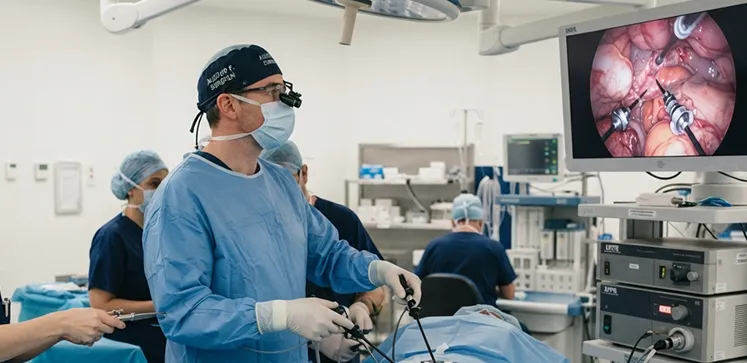
Laparoscopic surgery, also known as keyhole surgery, is a minimally invasive technique used to treat various conditions through small incisions. It is commonly performed for abdominal, digestive, colorectal, and gynaecological problems.
Compared with traditional open surgery, it may offer benefits such as smaller scars, less postoperative discomfort, and faster recovery. However, the suitability of this approach depends on the patient’s condition and the complexity of the procedure.
If you are looking for an experienced laparoscopic surgeon in the UK, this guide introduces 10 consultants, highlighting their specialist expertise, professional backgrounds and locations to help you explore suitable treatment options.
Choosing a surgeon requires more than looking at professional titles or years of experience. We considered several factors when compiling this list:
The list is not a formal ranking of surgical outcomes.
Each consultant has different expertise, and the most suitable choice depends on the procedure and condition being treated.
Here are 10 laparoscopic surgeons in the UK, along with their locations:
Explore their individual profiles below to learn more about their experience and surgical expertise.
Professor Bassel H. Al Wattar is a well-known laparoscopic surgeon in the UK, recognised for his expertise in obstetrics, gynaecology and reproductive medicine. His clinical interests include fertility, hormonal conditions and menstrual disorders.
He has experience in minimally invasive gynaecological procedures, including laparoscopic and hysteroscopic surgery for conditions such as endometriosis, ovarian cysts and uterine abnormalities.
With an academic background in reproductive medicine and evidence-based women’s healthcare, he offers specialist knowledge for women seeking treatment for complex gynaecological and fertility-related conditions.
Speciality: Gynaecological oncology and minimally invasive surgery
Mr Thomas Ind is an experienced consultant gynaecologist with a specialist background in gynaecological oncology and complex surgery. His interests include endometriosis, fibroids, ovarian cancer and other gynaecological conditions.
He has RCOG Level III certification in laparoscopic surgery and experience in robotic-assisted procedures. His surgical treatments include laparoscopic hysterectomy, ovarian cystectomy and surgery for gynaecological cancers.
His specialist training makes him a relevant option for women who require complex gynaecological surgery or minimally invasive treatment.
Speciality: General, upper gastrointestinal and bariatric surgery
Professor Sanjay Purkayastha is a consultant general surgeon at Imperial College Healthcare NHS Trust, with specialist interests in bariatric and upper gastrointestinal surgery.
His laparoscopic experience includes gastric bypass, sleeve gastrectomy, gallbladder removal, hernia repair and anti-reflux surgery. He also has an academic role at Imperial College London and contributes to research in surgical education and bariatric treatment.
Patients considering minimally invasive weight-loss or digestive system surgery may find his specialist background particularly relevant.
Speciality: Upper gastrointestinal and bariatric surgery
Mr Omar Khan is a consultant upper gastrointestinal and bariatric surgeon at St George’s University Hospitals NHS Foundation Trust. His clinical interests include weight-loss surgery and minimally invasive treatment of digestive conditions.
He performs keyhole procedures such as gastric sleeve surgery, gastric bypass, gallbladder removal, anti-reflux surgery and hernia repair. His experience also includes revisional bariatric surgery for patients requiring further treatment following previous weight-loss operations.
He is a potential option for patients seeking specialist care for obesity-related conditions and upper gastrointestinal problems.
Speciality: Hepatopancreatobiliary, upper GI and advanced laparoscopic surgery
Mr Sakhawat Hussain Rahman is a consultant surgeon at the Royal Free Hospital, specialising in general, pancreatic, upper gastrointestinal and bariatric surgery.
His expertise includes advanced laparoscopic procedures for gallstones, pancreatic conditions, hernias and diseases affecting the stomach and oesophagus. He also has a particular interest in hepatopancreatobiliary surgery, including the management of gallbladder disease.
His background in advanced minimally invasive techniques makes him relevant to patients requiring complex abdominal surgery.
Speciality: Robotic, upper GI and bariatric surgery
Mr Sasindran Ramar is a consultant robotic upper gastrointestinal, metabolic, bariatric and general surgeon at King’s College Hospital.
His specialist interests include robotic gallbladder surgery, bariatric procedures, hernia repair and anti-reflux surgery. He previously completed a fellowship in minimal access surgery and has extensive experience transitioning from laparoscopic to robotic surgical techniques.
He also contributes to surgical training and education, particularly in robotic-assisted procedures.
Speciality: General and colorectal laparoscopic surgery
Mr Muhammad Imran Aslam is a consultant laparoscopic general and colorectal surgeon at George Eliot Hospital in Nuneaton. He also serves as Clinical Lead for General Surgery.
His clinical interests include laparoscopic colorectal surgery, inflammatory bowel disease and therapeutic endoscopy. He has completed a Diploma in Minimally Invasive Surgery from the University of Strasbourg, France.
His combination of surgical experience, specialist training and clinical leadership makes him a relevant consultant for patients requiring colorectal or general surgical treatment.
Speciality: General, gastrointestinal and laparoscopic surgery
Mr Tas Qureshi is a consultant laparoscopic general surgeon working with University Hospitals Dorset. His specialist interests include keyhole surgery, robotic surgery and gastrointestinal conditions.
He has experience treating hernias and bowel-related conditions through minimally invasive techniques. He was also appointed as a national laparoscopic surgery trainer through the LAPCO programme, which focused on improving laparoscopic colorectal surgery standards.
His background in surgical training and robotic colorectal procedures makes him a notable option for patients in Bournemouth and the surrounding Dorset area.
Speciality: Colorectal and laparoscopic surgery
Mr Chelliah Selvasekar is a consultant colorectal and laparoscopic surgeon at The Christie NHS Foundation Trust in Manchester.
His expertise includes minimally invasive colorectal procedures and the surgical management of bowel conditions. He has also held leadership responsibilities in minimal-access colorectal surgery and enhanced recovery programmes.
In addition to his clinical work, he contributes to surgical education and trains other surgeons in laparoscopic colorectal techniques. Patients requiring specialist bowel surgery may consider his experience relevant to their treatment needs.
Speciality: General, colorectal and laparoscopic surgery
Professor Lee Dvorkin is a consultant general, laparoscopic and colorectal surgeon associated with the Royal Free London NHS Foundation Trust.
His clinical interests include bowel cancer surgery, inflammatory bowel disease, endoscopy, proctology and minimally invasive procedures. He also completed specialist colorectal training at St Mark’s Hospital and has experience in surgical education and clinical leadership.
His background makes him particularly relevant to patients seeking treatment for colorectal conditions, bowel disease and other problems requiring minimally invasive surgery.
Laparoscopic surgery covers several procedures, depending on the affected organ and the patient’s medical condition. Some of the common types include:
Some surgeons also offer robotic-assisted surgery, which uses specialised technology to support minimally invasive procedures.
Laparoscopic surgeons treat various medical conditions affecting the abdomen, digestive system and reproductive organs. The appropriate procedure depends on the diagnosis and the patient’s overall health.
Common conditions include:
Not every condition requires surgery, and laparoscopic treatment is not suitable for every patient. A specialist assessment helps determine the safest approach.
Before choosing a laparoscopic surgeon, it is important to check their professional registration, qualifications and relevant surgical experience.
Here are some practical steps:
Remember that general surgical experience does not automatically mean expertise in every laparoscopic procedure. Always check whether the surgeon regularly performs the specific operation you are considering.
Choosing the right laparoscopic surgeon can make your treatment journey easier and more reassuring. Consider these key factors before making your decision:
Most importantly, choose a surgeon who understands your condition, explains your options clearly, and makes you feel comfortable with your treatment plan.
The cost of laparoscopic surgery in the UK depends on the procedure, surgeon’s fees, hospital charges and aftercare. Private diagnostic laparoscopy may cost around £3,500–£4,155, while more complex procedures, such as bariatric and colorectal surgery, can be considerably more expensive.
Before booking, ask whether your quotation includes:
NHS patients may receive medically necessary laparoscopic surgery without private treatment fees. If you are considering private treatment, check your health insurance coverage and request a complete cost breakdown beforehand.
Laparoscopic surgery offers a minimally invasive treatment option for many abdominal, digestive and gynaecological conditions. Choosing an experienced surgeon is essential for receiving appropriate care.
The 10 surgeons featured in this guide have different areas of expertise, including gynaecology, bariatric surgery, colorectal surgery and upper gastrointestinal procedures. Consider their experience and qualifications when exploring your options.
Before making a decision, discuss your condition, available treatments, potential risks, and recovery expectations with your chosen surgeon.