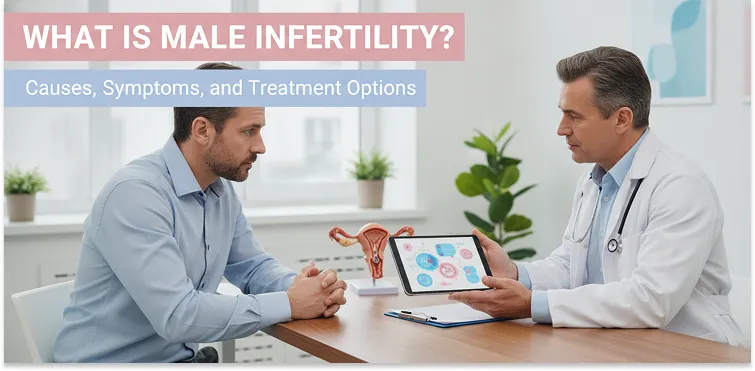
What Is Male Infertility Causes, Symptoms, and Treatment Options

What Is Male Infertility? Causes, Symptoms, and Treatment Options

Male infertility is more common than many people realize, yet it often remains undiscussed due to stigma and lack of awareness. It refers to difficulty in achieving pregnancy with a fertile partner after 12 months of regular, unprotected intercourse.

The good news is that in many cases, it can be treated or managed with proper diagnosis and care, often with support from a fertility treatment clinic that helps identify the underlying cause.

In this guide, you’ll learn what male infertility is, its main causes, symptoms, diagnosis process, treatment options, and simple lifestyle changes that can support better reproductive health.

Table of Contents

What Is Male Infertility?

Male infertility is a condition where a man has a reduced ability to contribute to conception. It usually involves problems with sperm production, sperm quality, or sperm delivery.

For natural conception to occur, sperm must be:

  • Produced in sufficient quantity
  • Healthy in shape and movement
  • Able to travel through the reproductive tract
  • Capable of fertilizing an egg

When one or more of these steps is disrupted, fertility can be affected.

Male infertility is not a disease on its own—it is usually a sign of an underlying issue such as hormonal imbalance, lifestyle factors, or medical conditions affecting the reproductive system.

Causes of Male Infertility

Male infertility can develop due to several interconnected reasons. These are usually grouped into medical, lifestyle, and environmental causes.

Medical Causes

Medical conditions are one of the most common reasons for fertility issues in men. These include:

  • Varicocele: Swelling of veins in the scrotum that can raise testicular temperature and reduce sperm quality.
  • Hormonal imbalances: Low testosterone or issues with the pituitary gland can affect sperm production.
  • Infections: Sexually transmitted infections (STIs) or reproductive tract infections may block or damage sperm pathways.
  • Genetic conditions: Some inherited disorders can impact sperm count or testicular function.
  • Ejaculation disorders: Conditions like retrograde ejaculation (where semen enters the bladder instead of exiting through the penis).
  • Testicular injury or undescended testicles: Past trauma or developmental issues can affect sperm production.

Lifestyle Causes

Daily habits and choices also play a major role in reproductive health:

  • Smoking, which damages sperm DNA
  • Excessive alcohol consumption
  • Drug use, including anabolic steroids
  • Poor diet lacking essential nutrients
  • Obesity or being significantly underweight
  • High stress levels
  • Lack of physical activity
  • Frequent overheating of the testicular area (hot baths, tight clothing, laptops on lap)

Environmental Causes

External exposure can also impact sperm health:

  • Exposure to industrial chemicals or pesticides
  • Heavy metals such as lead
  • Radiation or prolonged exposure to heat
  • Air pollution in heavily industrialized areas
  • Occupational hazards in factories, farms, or labs

Over time, these exposures may reduce sperm quality and count.

Symptoms of Male Infertility

Male infertility often develops silently, which means many men do not notice symptoms until they try to conceive.

Difficulty Conceiving After 12 Months

The most common sign is not achieving pregnancy after one year of regular, unprotected intercourse. This is usually the first indicator that something may be wrong.

Sexual Health Problems

Some men may experience:

  • Low libido (reduced sexual desire)
  • Difficulty maintaining an erection (erectile dysfunction)
  • Problems with ejaculation (delayed or absent ejaculation)
  • Reduced semen volume

These symptoms may suggest hormonal or physical issues affecting fertility.

Symptoms of Male Infertility

Physical Signs

In some cases, physical changes may be noticeable:

  • Pain, swelling, or a lump in the testicles
  • Small or firm testicles
  • Enlarged veins in the scrotum (varicocele)
  • Hormonal signs like reduced body hair or breast enlargement

Hidden Symptoms (No Obvious Signs)

Many men with infertility have no visible or physical symptoms at all. They may feel completely healthy, which is why infertility is often only discovered during fertility testing.

How Male Infertility Is Diagnosed?

Diagnosis usually begins with a detailed medical history and physical examination.

Doctors may ask about:

  • Lifestyle habits
  • Sexual history
  • Past illnesses or surgeries
  • Exposure to toxins

Key diagnostic tests include:

  • Semen analysis: Measures sperm count, movement, and shape
  • Hormone testing: Checks testosterone and other reproductive hormones
  • Scrotal ultrasound: Identifies structural problems like varicocele
  • Genetic testing: Used when a low sperm count is severe or unexplained
  • Urine tests after ejaculation: To check for retrograde ejaculation
  • Testicular biopsy (in rare cases): To examine sperm production directly

A combination of these tests helps identify the root cause and guide treatment.

6. Treatment Options for Male Infertility

Male infertility treatment depends on the underlying cause, but many cases can be improved significantly.

Lifestyle Changes

Simple changes often make a big difference:

  • Quitting smoking and alcohol
  • Eating a balanced, nutrient-rich diet
  • Maintaining a healthy weight
  • Exercising regularly
  • Managing stress effectively
  • Avoiding excessive heat exposure

These changes can improve sperm quality over time.

Medical Treatments

When lifestyle changes are not enough, medical treatments may help:

  • Hormone therapy for hormonal imbalance
  • Antibiotics for infections
  • Medications to improve sperm production or ejaculation
  • Treatment for erectile dysfunction

Doctors choose treatment based on test results and diagnosis.

Surgical Treatments

In some cases, surgery may be needed:

  • Varicocele repair: Improves blood flow and sperm quality
  • Sperm retrieval procedures: For men who cannot produce sperm in semen
  • Correction of blockages: In the reproductive tract

Surgery can significantly improve fertility outcomes in selected cases.

Assisted Reproductive Techniques (ART)

When natural conception is difficult, ART offers advanced solutions:

  • IUI (Intrauterine Insemination): Sperm is directly placed into the uterus
  • IVF (In Vitro Fertilization): Egg and sperm are combined in a lab
  • ICSI (Intracytoplasmic Sperm Injection): A single sperm is injected into an egg

These methods are highly effective, especially in moderate to severe infertility cases.

Natural Ways to Improve Male Fertility

Along with medical treatment, natural approaches can support reproductive health:

  • Eat antioxidant-rich foods (fruits, vegetables, nuts)
  • Include zinc and folate-rich foods like eggs, beans, and leafy greens
  • Stay physically active, but avoid overtraining
  • Get enough sleep (7–8 hours daily)
  • Reduce stress through meditation or relaxation techniques
  • Stay hydrated
  • Avoid exposure to heat and toxins

Consistency is key—improvements in sperm health usually take 2–3 months to become visible.
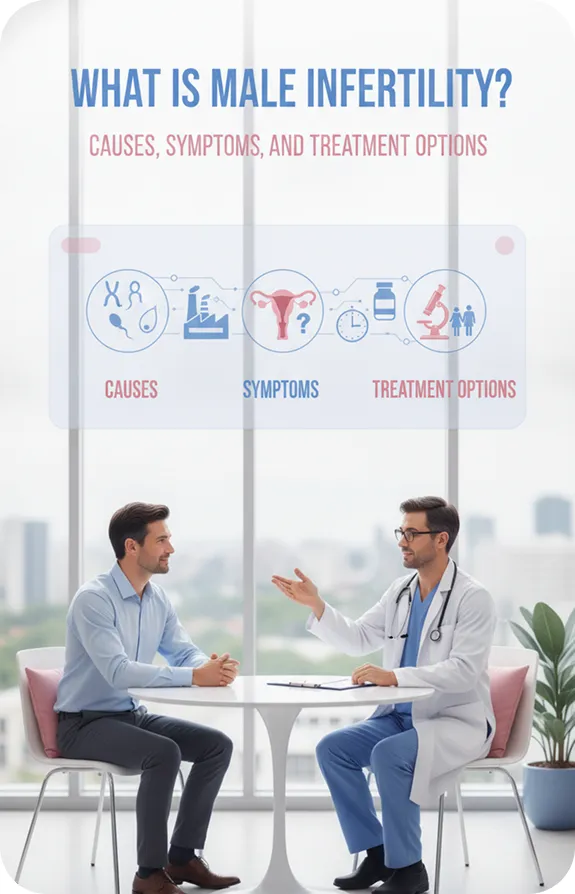
Prevention of Male Infertility

While not all causes are preventable, many risks can be reduced:

  • Avoid smoking and recreational drugs
  • Limit alcohol intake
  • Maintain a healthy lifestyle
  • Use protection to prevent STIs
  • Avoid unnecessary exposure to chemicals
  • Manage chronic conditions like diabetes or obesity
  • Regular health checkups

Early awareness plays an important role in prevention.

When to See a Doctor

It is recommended to consult a fertility specialist if:

  • You have been trying to conceive for over 12 months without success
  • You experience sexual health issues like low libido or erectile problems
  • There is pain or swelling in the testicles
  • You have a history of reproductive health conditions or surgeries

Early consultation can improve treatment success and reduce stress.

Emotional and Mental Health Impact

Male infertility can affect emotional well-being more than many realize. It may lead to:

  • Stress and anxiety
  • Feelings of guilt or frustration
  • Relationship pressure
  • Lower self-confidence

Support is important during this time. Talking openly with a partner, seeking counseling, or joining support groups can help reduce emotional burden.

Remember, infertility is a medical condition—not a reflection of masculinity or personal worth.

Conclusion

Male infertility is a common but often misunderstood condition that can affect sperm production, quality, or delivery. While the causes vary—from medical conditions to lifestyle and environmental factors—the encouraging part is that many cases are treatable.

With proper diagnosis, lifestyle improvements, medical care, and advanced reproductive technologies, many men can still achieve successful conception. If you suspect any issues, early consultation with a healthcare professional is always the best step forward.

Understanding the condition is the first step toward solving it—and in many cases, the path to parenthood is still very possible.