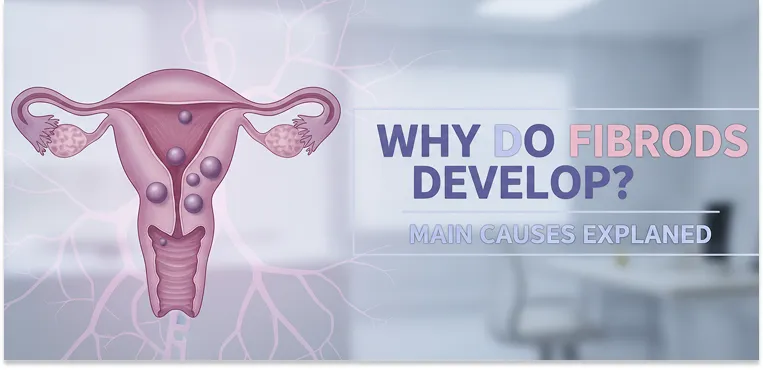
Fibroids are common non-cancerous growths that develop in the uterus, especially in women of reproductive age. While usually harmless, they can sometimes cause heavy periods, pain, and fertility concerns.
There is no single cause of fibroids. They develop due to a mix of hormonal, genetic, lifestyle, and environmental factors that affect how uterine cells grow over time. Many women also visit a fibroid treatment clinic to better understand their symptoms and get proper guidance.
This guide explains the main causes of fibroid development in a simple and clear way, helping you understand what increases the risk and how fibroids form.
Fibroids, medically known as Uterine fibroids, develop when muscle cells in the uterus begin to grow in an abnormal but non-cancerous way.
These growths start from a single smooth muscle cell in the uterine wall. Over time, this cell multiplies and forms a firm, rubbery mass called a fibroid.
What makes fibroids unique is that they are:
Fibroids can grow inside the uterine wall, on the outer surface, or inside the uterine cavity.
Their location often influences the type of fibroid and severity of symptoms.
There is no single confirmed cause of fibroids, but research shows a strong connection between hormones, genes, and cell growth behavior.
Most experts agree that fibroids develop due to:
Let’s explore these in detail.

Hormones play a central role in fibroid development, particularly estrogen and progesterone.
Fibroids tend to grow when hormone levels are high, especially during the reproductive years. This is why they often shrink after menopause when hormone levels naturally decrease.
Key points:
When these hormones are constantly elevated or not properly balanced, the uterine muscle becomes more likely to develop fibroid growths.
Genetics is another strong factor in fibroid development.
If your mother, sister, or close female relatives have had fibroids, your chances of developing them increase significantly.
This suggests that:
While genetics alone does not guarantee fibroids, it does increase vulnerability.
Inside the body, there are proteins called growth factors that help tissues grow and repair themselves.
In fibroids, these signals can become overactive.
This leads to:
In simple terms, the body’s “repair system” starts overworking in one area, causing unnecessary tissue buildup.

Certain conditions and lifestyle patterns can increase the likelihood of fibroid formation. These risk factors don’t directly cause fibroids but can strongly influence their development.
Fibroids are most common during the reproductive years, usually between ages 30 and 50, when hormones like estrogen are active and constantly changing.
These hormonal fluctuations can encourage fibroid growth, while after menopause, hormone levels drop and fibroids often shrink naturally.
Starting periods at an early age increases the total number of menstrual cycles in a lifetime. This means longer exposure to estrogen.
More estrogen exposure over time can raise the risk of fibroids developing earlier. It also increases the chances of fibroid growth during reproductive years.
Body fat can produce extra estrogen in the body. Higher estrogen levels may support fibroid growth.
Obesity can also cause inflammation, which may worsen fibroid development. Maintaining a healthy weight helps reduce the risk of this hormonal imbalance.
Poor diet can disturb hormone balance and increase inflammation. This can create conditions that support fibroid growth.
Low intake of fruits, vegetables, fiber, and antioxidants weakens the body’s natural protection. A balanced diet helps support hormonal health.
Vitamin D helps regulate cell growth in the body. Low levels may increase fibroid risk.
It is also linked with faster fibroid growth in some cases. Sunlight and vitamin D-rich foods can help maintain healthier levels.

Modern lifestyle factors also contribute to fibroid risk. These include diet, stress, and exposure to certain chemicals in daily life.
A diet high in red meat and low in vegetables may increase fibroid risk. It can affect hormone balance and increase inflammation in the body.
Low fiber intake may also slow down hormone elimination, allowing estrogen to stay active longer. A balanced diet with fruits and vegetables helps support better hormonal health.
High alcohol and caffeine intake may disrupt normal hormone activity. These substances can affect how the liver processes hormones in the body.
Over time, this may increase estrogen levels and contribute to hormonal imbalance. Moderate intake is generally better for overall reproductive health.
Endocrine-disrupting chemicals (EDCs) are found in some plastics, cosmetics, and industrial products. They can interfere with the body’s natural hormone system.
These chemicals may mimic estrogen and confuse normal hormonal signals. Reducing exposure can help support a healthier hormonal balance.
Long-term stress can disturb the body’s hormonal system. High stress keeps cortisol levels elevated for long periods.
This can lead to hormonal imbalance and weaken normal cell regulation. Over time, this may indirectly support fibroid development.
Certain reproductive patterns can increase fibroid risk. These include not having been pregnant or having irregular hormonal cycles.
Pregnancy naturally changes hormone levels, which may lower fibroid risk in some cases. Hormonal patterns over time play an important role in fibroid development.
Fibroids are more common in some populations due to genetic differences. Family history can significantly increase the risk.
Women with a genetic predisposition may develop fibroids earlier or more severely. This shows the strong influence of inherited biological factors.
Fibroids usually grow slowly, but their progression depends on hormone exposure.
Growth patterns:
Factors that influence growth include:
There is no guaranteed way to completely prevent fibroids, but the risk can be reduced.
Helpful strategies include:
While these steps don’t guarantee prevention, they support hormonal balance and overall uterine health.
As fibroids grow, they may cause noticeable symptoms such as:
Some women may have fibroids without any symptoms at all.
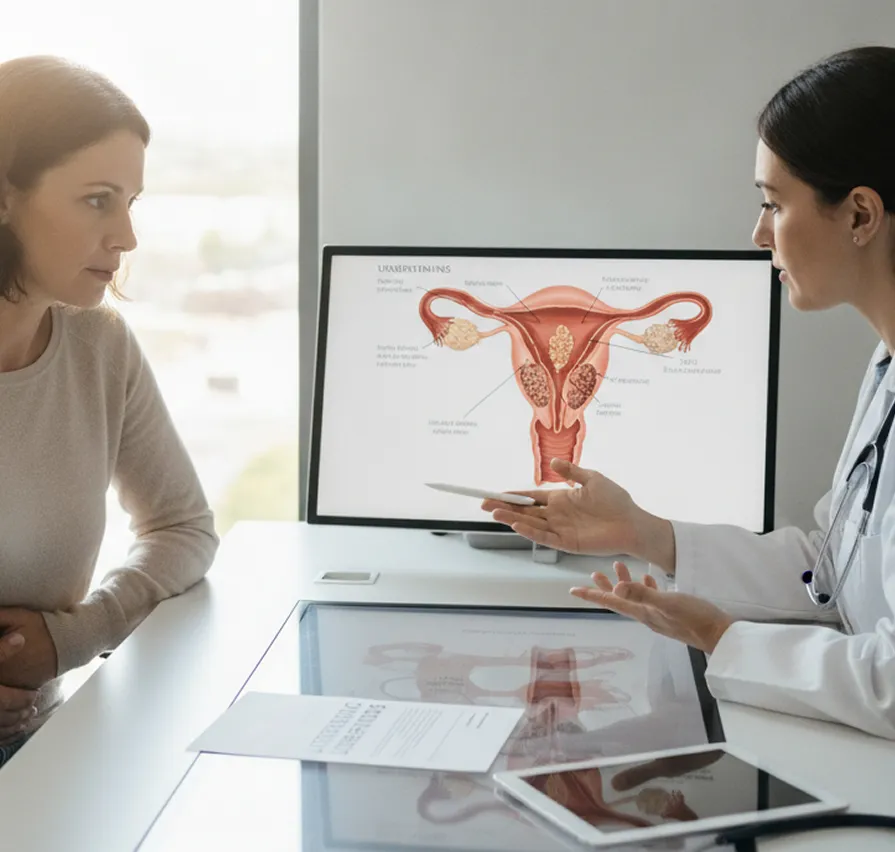
Fibroids are usually diagnosed through a pelvic examination where a fertility clinic checks for changes in the size or shape of the uterus. This is often the first step when symptoms are present.
To confirm the diagnosis, an ultrasound scan is commonly used, and in more complex cases an MRI may be recommended. These tests help identify the size, number, and exact location of fibroids for proper treatment planning.
Treatment depends on fibroid symptoms, size, and future pregnancy plans.
Common options include:
Not all fibroids require treatment, especially if they are small and symptom-free.
Fibroids develop due to a combination of hormonal, genetic, and lifestyle-related factors rather than a single clear cause. Hormonal imbalance—especially involving estrogen—is the most important driver, while genetics and environmental influences also play a strong supporting role.
Understanding these causes helps in recognizing risk factors early and making informed lifestyle choices.
While fibroids cannot always be prevented, maintaining hormonal balance, healthy nutrition, and regular medical checkups can significantly support uterine health and reduce complications over time.