
Trying to conceive is often seen as a natural and straightforward process, but for many individuals and couples, it can take longer than expected. In some cases, delays in pregnancy may point to underlying fertility challenges that need medical attention.
Knowing when to see a fertility specialist is important because early evaluation can make a significant difference in diagnosis, treatment success, and emotional well-being. Fertility issues are more common than many people realize, and seeking help at the right time can prevent unnecessary stress and delays.
This guide explains the key signs that indicate it may be time to consult a fertility specialist, what to expect during evaluation, and what treatment options are available.
Fertility is closely connected to age, hormonal balance, reproductive health, and overall medical conditions. The earlier a potential issue is identified, the better the chances of effective treatment.
Early awareness helps in several ways:
Many couples delay seeking help, assuming pregnancy will happen naturally with time. However, fertility potential can change gradually, and waiting too long may reduce available treatment options.

A fertility specialist is a doctor trained in reproductive health, often called a reproductive endocrinologist. Their role is to diagnose and treat conditions related to infertility in both women and men.
A fertility specialist typically:
Common treatments may include ovulation induction, intrauterine insemination (IUI), or in vitro fertilization (IVF), depending on the cause of infertility.

Recognizing early warning signs can help you take timely action.

One of the most common signs is the inability to conceive after a consistent period of trying.
If you are under 35 and have been trying to get pregnant for 12 months without success, it is recommended to see a fertility specialist.
For women over 35, this timeline reduces to 6 months due to natural decline in fertility.
Possible underlying causes include:
A fertility evaluation at this stage helps identify the issue early and increases the chances of successful treatment.
A healthy menstrual cycle usually reflects regular ovulation. If your periods are irregular, delayed, or missing, it may signal a fertility problem.
Common causes include:
Without regular ovulation, natural conception becomes harder. A fertility specialist can help restore cycle balance and improve ovulation.
Age has a strong impact on fertility, especially for women. Fertility naturally starts declining after 30 and more quickly after 35.
As age increases:
If you are 35 or older, it is better to seek advice early rather than wait. This also opens up options like fertility preservation or assisted treatments.


Having more than one miscarriage can point to an underlying issue that needs medical attention. Possible causes include:
A fertility specialist can run tests to find the cause and guide you toward a safer, more supported pregnancy.
Some health conditions can directly affect your ability to conceive. These include:
For example, endometriosis can affect the reproductive organs, while hormonal disorders can stop regular ovulation. If you have any of these conditions, early fertility advice is important.
Fertility challenges can also come from male reproductive health, not just female factors.
Possible warning signs include:
A semen analysis is a simple first step to check sperm health. Many male fertility issues can be improved with treatment or lifestyle changes.

The recommended time to try before seeking help depends on age and health:
However, you should not wait if you already know there are risk factors such as irregular cycles, known reproductive conditions, or previous fertility issues.
Early consultation often leads to faster diagnosis and more effective treatment outcomes
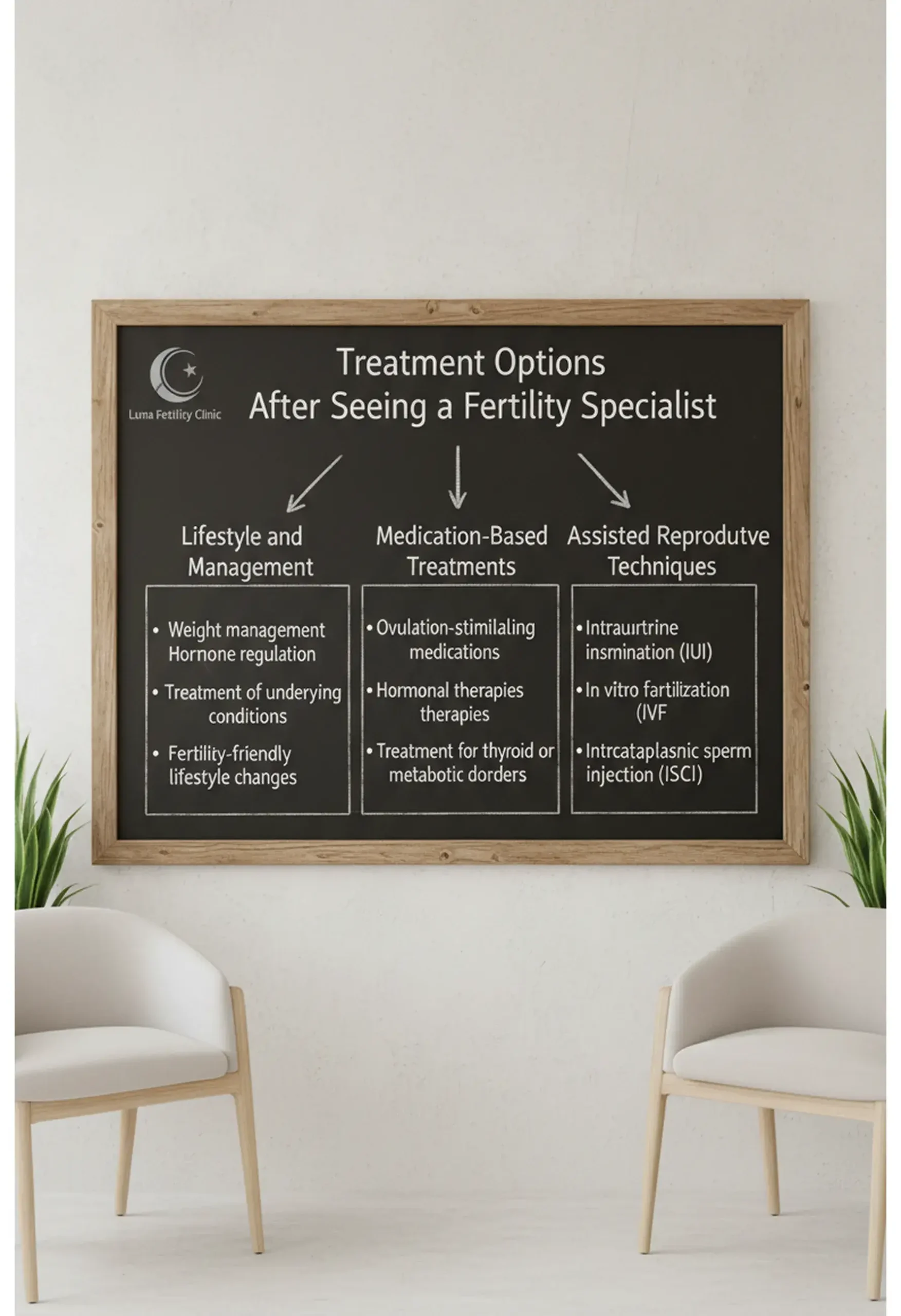
Once you visit a fertility specialist, treatment will depend on the underlying cause of infertility. Common treatment options include:
Lifestyle and Medical Management
Medication-Based Treatments
Assisted Reproductive Techniques
Each treatment plan is personalized based on diagnosis, age, and reproductive health.
While most fertility concerns develop gradually, some situations require immediate attention.
You should seek urgent consultation if you experience:
Early medical intervention can prevent complications and improve treatment success rates.

Knowing when to see a fertility specialist is an important step for anyone planning a pregnancy. Fertility challenges are more common than many people expect, and early evaluation can make a significant difference in outcomes.
If you have been trying to conceive without success, experiencing irregular cycles, dealing with known reproductive conditions, or facing age-related concerns, it is wise not to delay medical advice.
A fertility specialist can help identify the root cause, guide you through treatment options, and support you emotionally throughout the journey. Early action often leads to better results, more choices, and a clearer path toward parenthood.