
Trying to conceive without success can feel frustrating and confusing. Many men only discover issues like low sperm count, poor motility, or weak sperm quality when pregnancy does not happen as expected. This often creates stress and uncertainty about what is going wrong.
The good news is that sperm health is strongly influenced by daily habits. Diet, stress, sleep, and lifestyle choices all play an important role. The positive part is that many of these factors can be improved with consistent changes over time.
In this guide, you will learn what affects sperm health and practical ways to improve sperm count, motility, and quality in a clear and simple way, along with when it may be helpful to consult a best fertility clinic for further support.
For pregnancy to happen naturally, sperm must reach and fertilize an egg. This depends on three main things:
Even if sperm count is normal, weak movement or poor quality can still make conception difficult.
Male fertility plays an equal role in pregnancy. In many cases, sperm-related issues are a key reason for delayed conception.
Improving sperm health can greatly increase the chances of getting pregnant.

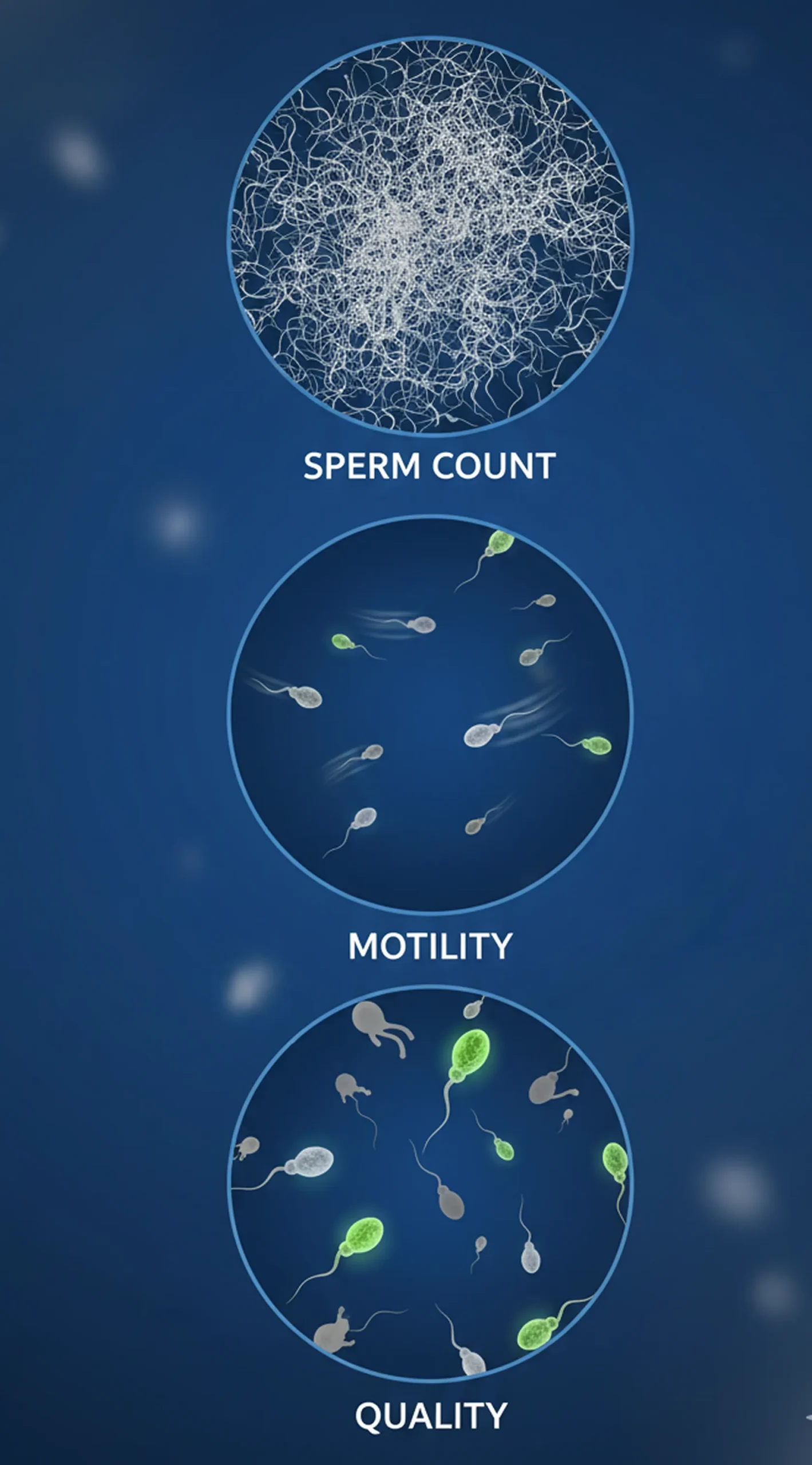
To understand how to improve fertility, it is important to first understand what these terms mean.
Sperm count refers to how many sperm cells are present in one milliliter of semen. A higher count increases the likelihood that sperm will reach and fertilize an egg.
Motility describes how well sperm moves. Strong, forward-moving sperm are more likely to reach the egg. Poor motility means sperm may move slowly or in circles, reducing fertility potential.
Sperm quality refers to the shape and structure of sperm, as well as DNA integrity. Healthy sperm have a strong head, midsection, and tail, which help them move and fertilize an egg effectively.
Several internal and external factors can negatively affect sperm health. Understanding these causes is the first step toward improvement.
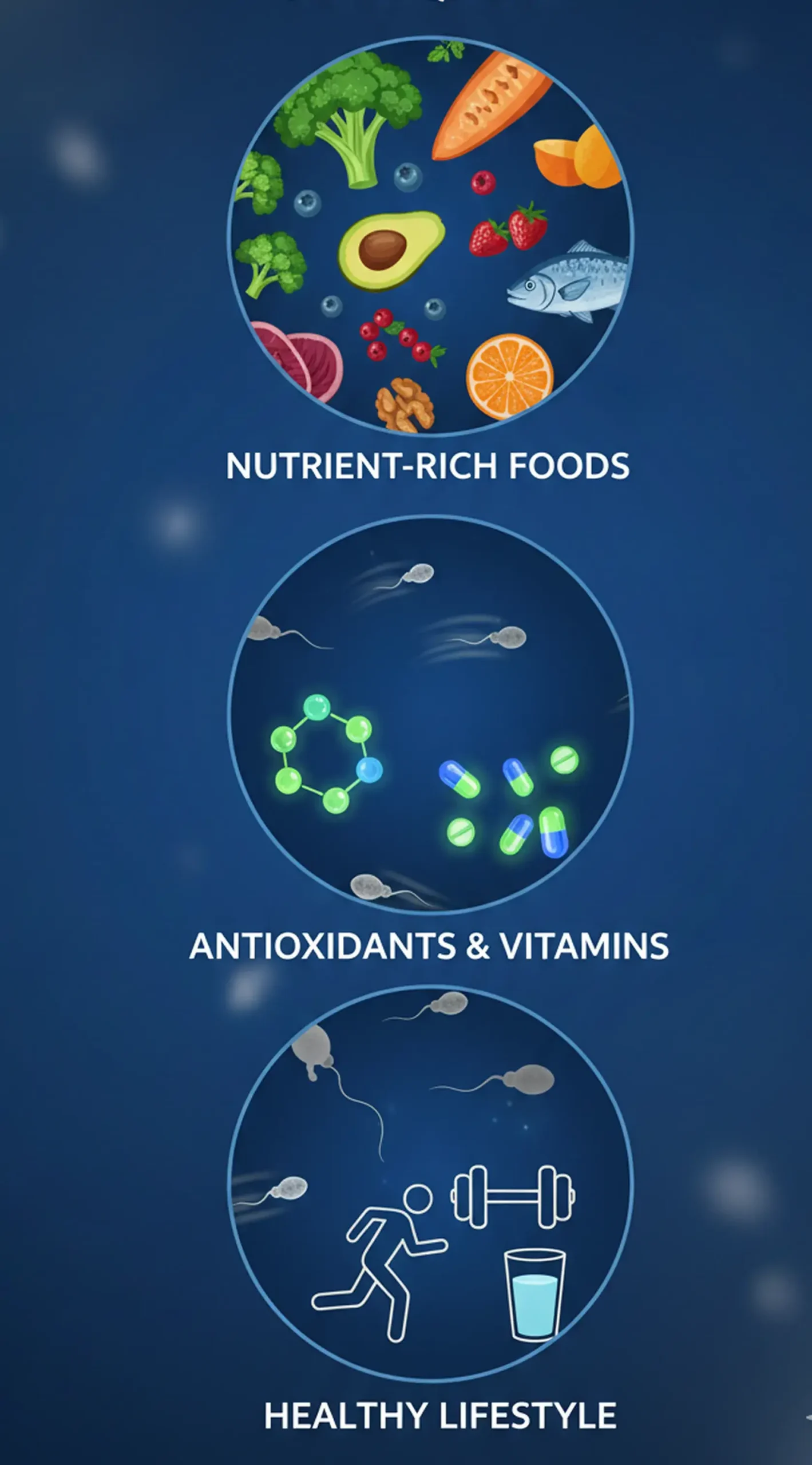
Nutrition plays a powerful role in male fertility. A balanced diet can improve sperm production, motility, and overall reproductive health. Good nutrition also supports better results in male fertility treatment by naturally strengthening sperm quality and function.
Sperm health is closely linked to everyday habits. The good news is that simple lifestyle changes can make a real difference over time. Improving your routine can support better hormone balance, stronger sperm production, and higher fertility potential.

Natural ways to support and improve fertility include proper nutrition and, in some cases, supplements when there are nutrient gaps. They should always complement a healthy lifestyle, not replace it.
Common fertility-supporting supplements include:
While supplements can be helpful, they work best when combined with a healthy diet and lifestyle.
It is always advisable to consult a healthcare professional before starting any supplement routine.

When lifestyle changes are not enough, medical treatment can help improve sperm health and fertility outcomes. A doctor may first identify the exact cause before recommending the right option.
Everyday surroundings and certain jobs can affect sperm health more than most people realize.
Long-term exposure to harmful substances may reduce fertility over time.

Sperm production follows a cycle of approximately 72 to 90 days. This means any positive changes in diet or lifestyle may take about 2 to 3 months to show noticeable results.
Some men may see improvements sooner, while others may require longer depending on underlying health conditions. Consistency is key—temporary changes rarely lead to lasting improvements.
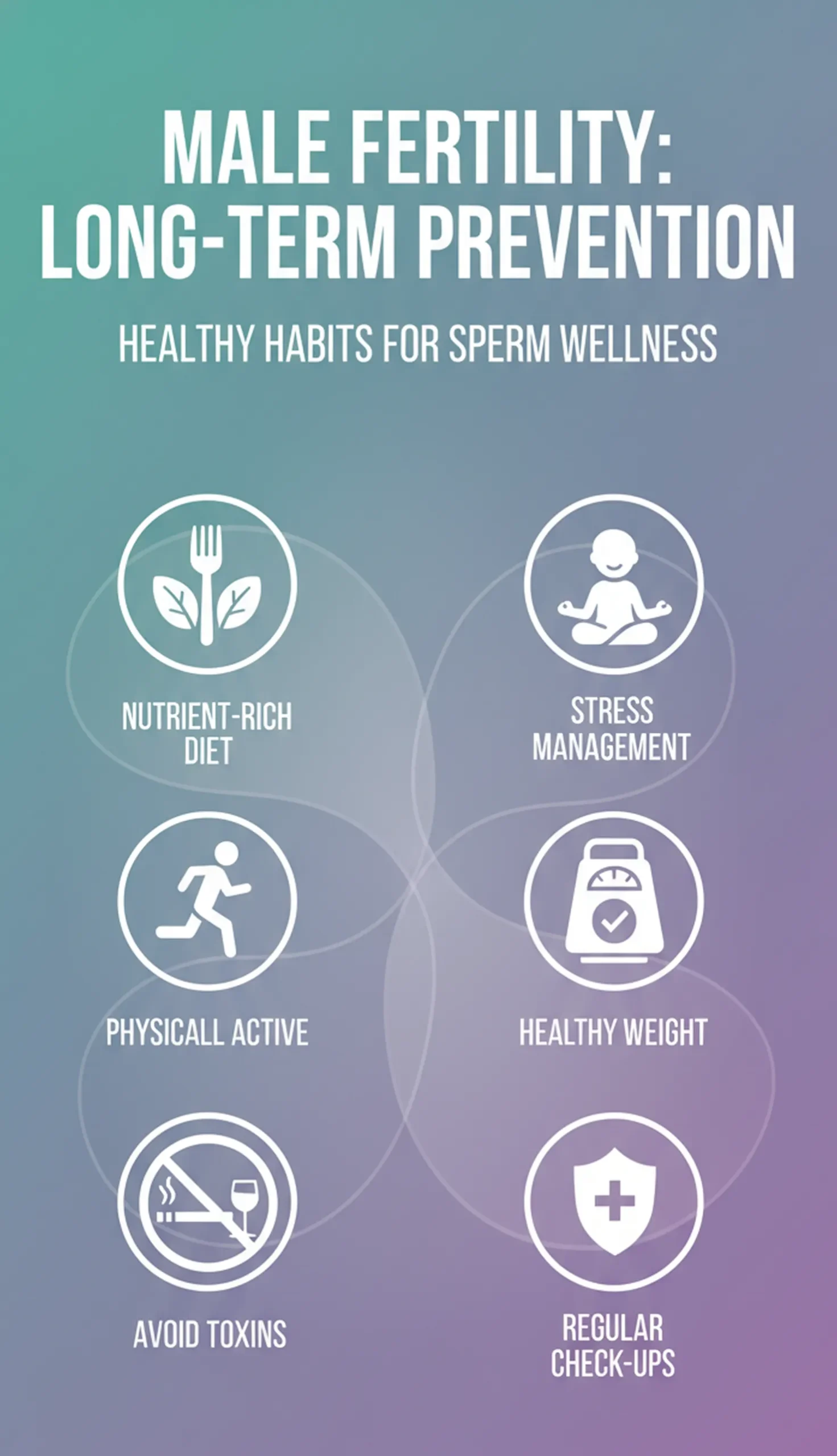
Maintaining sperm health is an ongoing process rather than a one-time effort. Long-term prevention includes:
Early awareness and prevention can make a big difference in long-term fertility health. In some situations, preserving sperm by freezing can also be considered as an extra option for future planning.
Improving sperm count, motility, and quality is often possible through a combination of healthy lifestyle choices, proper nutrition, and medical support when needed.
Since sperm health reflects overall well-being, small daily improvements can lead to significant long-term benefits.
For many men, making consistent changes in diet, exercise, stress management, and environmental exposure can dramatically improve fertility potential within a few months.
If challenges persist, seeking medical evaluation ensures that underlying conditions are identified and treated early.