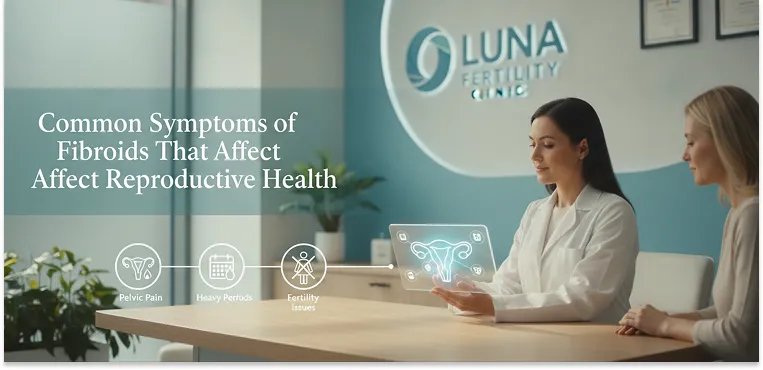
Uterine fibroids are non-cancerous growths that form in or around the uterus. They are common in women of reproductive age and often grow slowly without clear signs at first.
When symptoms appear, they can affect periods, daily comfort, and fertility. Some women may eventually visit a fibroid treatment clinic when the symptoms start interfering with normal life.
Many women only notice fibroids after changes in their menstrual cycle, pelvic discomfort, or difficulty getting pregnant. Understanding these early signs is important for timely care and better reproductive health.
Early detection of fibroid symptoms is very important for protecting your health and fertility.
Fibroids usually grow slowly, and early signs are often mild or easy to miss. When caught early, treatment is simpler and more effective. It can help:
If early signs are ignored, symptoms can get worse over time and affect daily life and reproductive health.
That’s why even small changes in your periods or pelvic comfort should not be ignored.
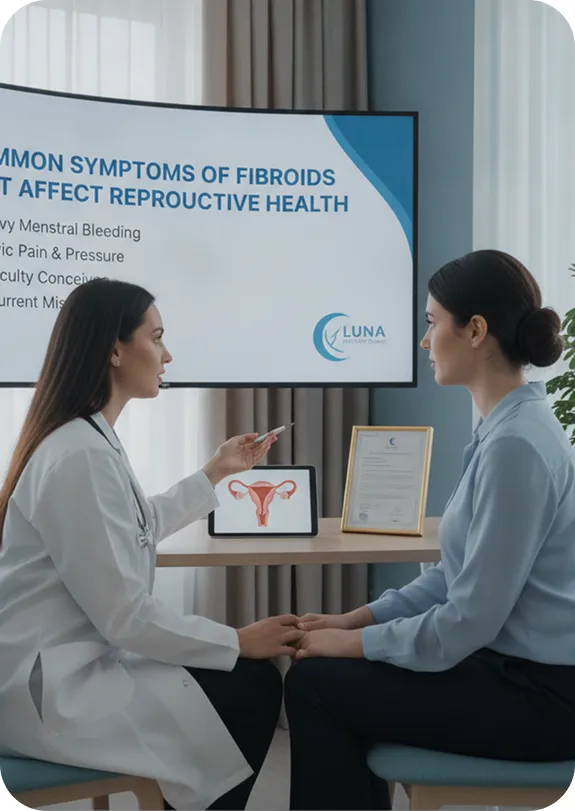
Fibroids can affect women differently. Some experience multiple symptoms, while others may have very mild signs. Below are the most common symptoms linked to uterine fibroids.
One of the most common symptoms of fibroids is heavy menstrual bleeding. This may include:
This happens because fibroids can interfere with the normal contraction of the uterus, making it harder to control bleeding during periods.
Over time, this can lead to fatigue and iron deficiency.
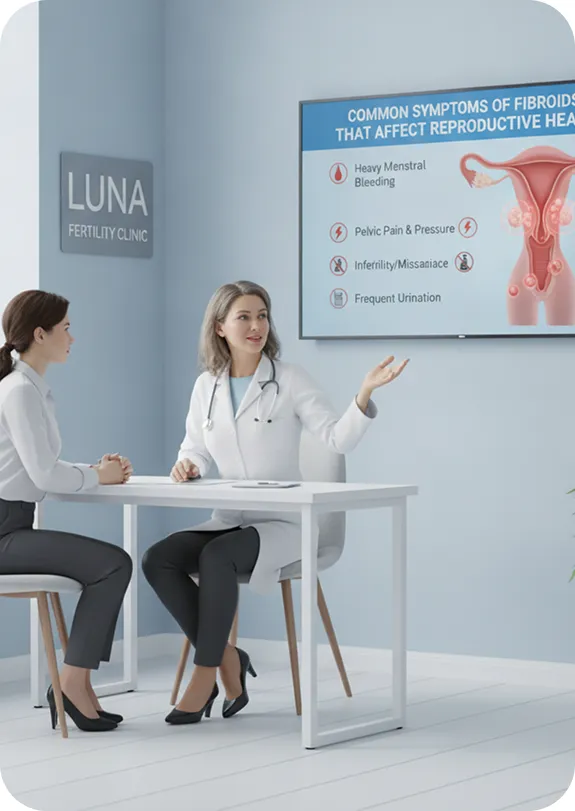
Fibroids can also affect the timing of your menstrual cycle. You may notice:
Although fibroids do not always cause irregular cycles directly, they can disrupt normal uterine function and hormonal balance in some cases.
Pelvic pain is a common symptom of fibroids, especially when they grow bigger or start pressing on nearby organs. The pain can vary from mild to severe and may come and go.
It may feel like a dull ache in the lower abdomen, sharp pain during periods, discomfort during physical activity, or pain during sexual intercourse. The level of pain usually depends on the size, number, and location of the fibroids.
Many women with fibroids feel a constant sense of pressure or heaviness in the lower abdomen. This happens when fibroids press on the uterus or surrounding organs.
It can feel like fullness in the pelvic area, tightness in the stomach, or even bloating without eating much. This symptom is more noticeable when fibroids become larger in size.
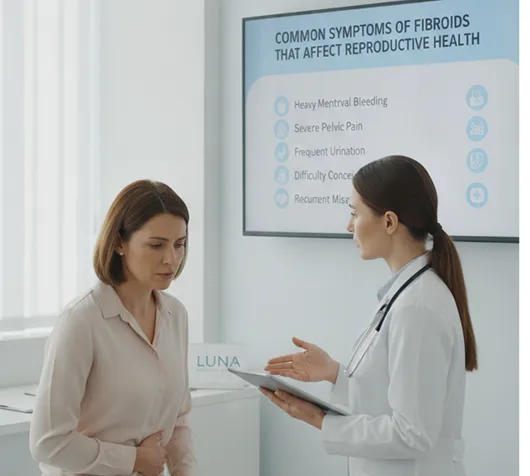
Fibroids can also cause lower back pain, particularly when they grow toward the back of the uterus. This can lead to:
Because this pain can be mistaken for muscular issues, fibroids are sometimes not immediately suspected.
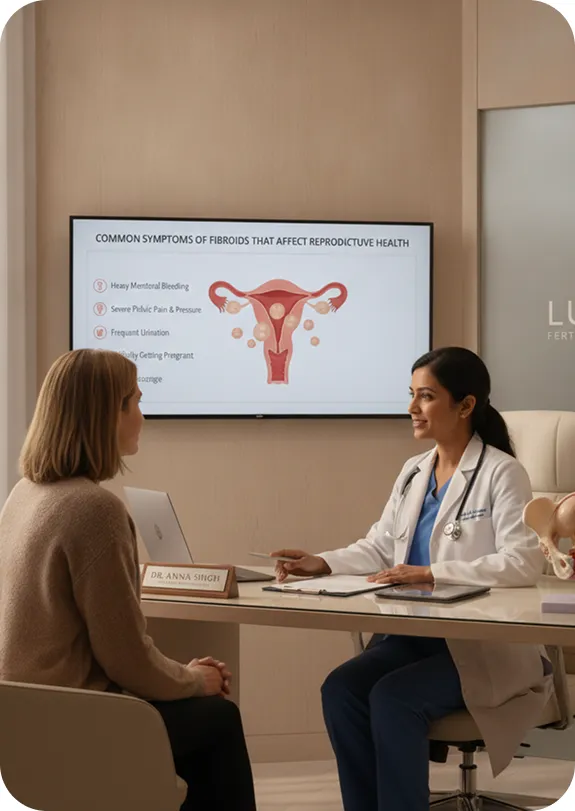
Fibroids can sometimes interfere with reproductive health and make it more difficult to conceive or maintain a pregnancy.
Fibroids may affect fertility by blocking the fallopian tubes or changing the shape of the uterus. This can make it harder for sperm to reach the egg or for implantation to occur.
In some cases, fibroids—especially those inside the uterine cavity—can increase the risk of repeated pregnancy loss. This happens when the embryo cannot properly attach or grow in the uterus.
Fibroids can disturb the lining of the uterus, making it less receptive to implantation. Even if fertilization occurs, the embryo may struggle to attach successfully.
Large fibroids can distort the shape of the uterus, creating an uneven environment that affects embryo development and pregnancy stability.
The symptoms of fibroids often depend on where they are located in the uterus.
These fibroids grow just beneath the inner lining of the uterus and often cause the most severe symptoms.
Common effects include:
Because they affect the uterine lining directly, they are strongly linked to reproductive health problems.
Intramural fibroids are the most common type of fibroids and grow inside the muscular wall of the uterus. Because of their location, they can affect the size and normal function of the uterus.
They may cause an enlarged uterus, heavy periods, pelvic pressure, and lower back pain. In some cases, depending on their size, they can also affect fertility.
Subserosal fibroids grow on the outer surface of the uterus. They usually do not affect the uterine lining directly but can press on nearby organs.
This pressure can lead to bloating, frequent urination, constipation, and a feeling of heaviness in the lower abdomen. They are less likely to impact fertility but can still cause significant discomfort.
As fibroids grow, they can press on nearby organs like the bladder and bowel.
Fibroids can press on the bladder and reduce its capacity. This often leads to urinary discomfort and frequent trips to the bathroom. You may feel the need to urinate more often, wake up several times at night, or feel like your bladder is never fully empty.
When fibroids press on the rectum, they can slow down normal bowel movement. This may lead to difficulty passing stool. It can cause constipation, straining, or discomfort during bowel movements.
Fibroids can also cause a constant feeling of bloating or swelling in the lower abdomen. This can happen even if your diet has not changed. Many women describe it as a tight or enlarged stomach that does not go away easily.
Fibroids don’t only affect the reproductive system—they can also impact overall health and daily energy levels. These effects often develop gradually and may be overlooked at first.
Many women experience ongoing fatigue, weakness, and low energy due to heavy menstrual bleeding. Over time, this can lead to iron deficiency anemia, which may cause dizziness, pale skin, and shortness of breath.
These general body symptoms can affect work, focus, and overall quality of life if not managed early.
Some women discover fibroids during pregnancy. In such cases, symptoms may include:
Not all fibroids cause pregnancy complications, but monitoring is important for safety.
You should consider consulting a top fertility clinic if you notice:
Early medical advice can help confirm whether fibroids are present and what treatment is needed.
Doctors usually diagnose fibroids through a combination of:
These tests help determine the size, number, and location of fibroids, which is important for choosing the right treatment approach.
Fibroids are common and often manageable, but their symptoms should never be ignored—especially when they affect reproductive health. From heavy periods and pelvic pain to fertility challenges, fibroids can impact many areas of a woman’s life.
The key is awareness. Recognizing early signs allows for timely diagnosis and better treatment outcomes. If you notice persistent changes in your menstrual cycle, pelvic discomfort, or difficulties with conception, it is important to seek medical advice.
With the right care and monitoring, most women with fibroids continue to lead healthy lives and maintain their reproductive well-being.