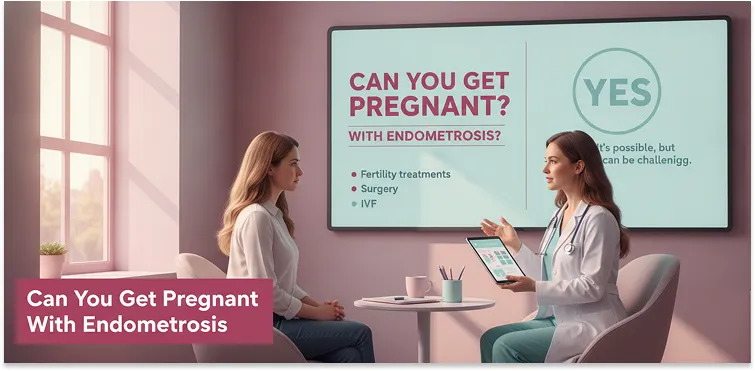
Yes, pregnancy is absolutely possible with endometriosis.
Having endometriosis does not mean infertility. Many women with mild to moderate forms of the condition conceive naturally without any medical treatment. Even in more advanced cases, pregnancy can still happen with the help of fertility treatments.
However, endometriosis can sometimes make conception more difficult because it may affect the reproductive organs and the normal process of ovulation, fertilization, or implantation.
The key point is this: Endometriosis can reduce fertility, but it does not eliminate it.
Endometriosis can affect fertility in different ways, but not every woman experiences the same impact.
It happens when tissue similar to the uterine lining grows outside the uterus, which can lead to inflammation, pain, and scar tissue over time.
These changes can interfere with the normal reproductive process in several ways:
Even so, many women with endometriosis still get pregnant. The impact depends on how severe the condition is and how early it is diagnosed and managed.
The chances of getting pregnant with endometriosis vary from person to person.
Several factors influence fertility, including age, severity of the condition, and overall reproductive health.
Here’s a general idea:
Age also plays a major role. Women under 35 generally have higher fertility rates, even with endometriosis.
The important thing to understand is that endometriosis affects fertility in degrees—it does not create a complete barrier.
Yes, natural pregnancy is still possible, especially in the early stages of endometriosis.
Many women are diagnosed only after they have already conceived or after trying for some time.
If the condition is mild and does not significantly affect the ovaries or fallopian tubes, natural conception can happen without medical intervention.
To improve your chances of a natural pregnancy:
However, if you’ve been trying for a while without success, it may be time to consult a fertility clinic.
Endometriosis does not always cause fertility problems, but in some cases, it can make getting pregnant more challenging.
This usually happens when the condition becomes more advanced or starts affecting key parts of the reproductive system.
Pregnancy may be harder when the condition leads to:
Even in these situations, pregnancy is still possible.
Many women with more advanced endometriosis go on to conceive with the right medical treatment and support.
If endometriosis is making it harder to conceive, doctors can offer several treatments to improve your chances of pregnancy.
The right approach depends on your symptoms, age, and how long you’ve been trying.
Here are some common ways doctors help:
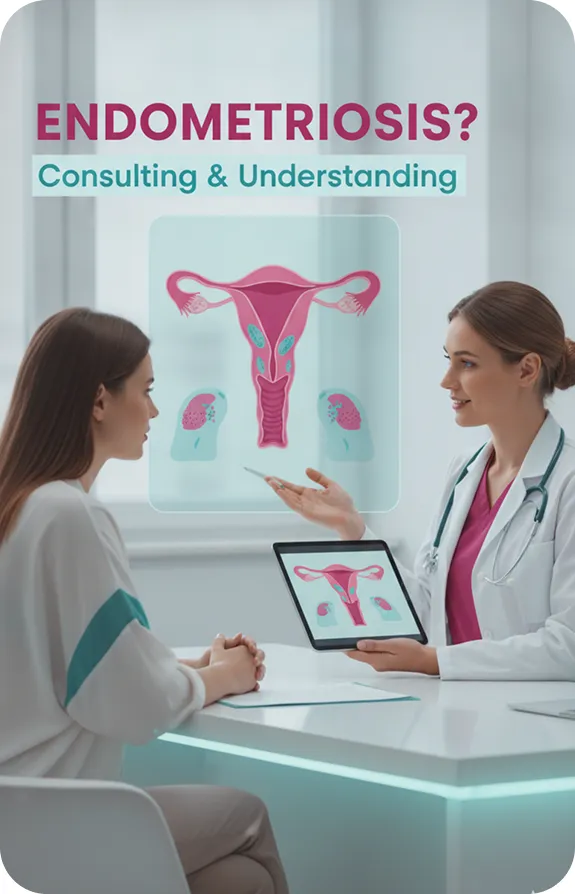
With the right treatment plan, many women with endometriosis are still able to conceive successfully, even if a natural pregnancy takes longer.
It’s important to know when to seek medical advice. Early intervention can significantly improve outcomes.
You should consider seeing a fertility specialist if:
An IVF specialist can run tests like ultrasounds, hormone checks, or laparoscopy to understand your condition better.
If you have endometriosis, there are simple lifestyle and daily habits that can support your fertility and improve your chances of conception.
While these tips cannot cure endometriosis, they can help create a healthier reproductive environment.
Here are some helpful ways to support your chances:
These small but consistent changes can make a meaningful difference and support your body’s natural ability to conceive.
Yes, you can get pregnant with endometriosis.
While the condition may sometimes make conception more challenging, it does not mean pregnancy is impossible. Many women conceive naturally, and many others succeed with the help of modern fertility treatments.
The outcome depends on several factors, including the severity of endometriosis, age, overall reproductive health, and how early the condition is managed.
If you are struggling to conceive, the most important step is to seek medical guidance early.
With the right support, treatment, and lifestyle approach, pregnancy is still very much achievable for many women living with endometriosis.