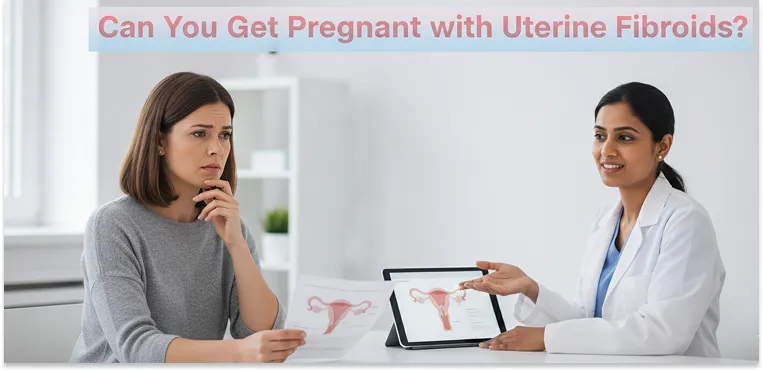
Yes, you can get pregnant with uterine fibroids in many cases. Having fibroids does not automatically mean infertility. In fact, many women with fibroids conceive naturally and have healthy pregnancies.
However, the impact depends on the size, number, and location of the fibroids. Some fibroids may interfere with conception or pregnancy, while others cause no issues at all.
In simple terms:
Understanding how fibroids affect your body is the key to knowing your chances and options.
Uterine fibroids can affect your ability to get pregnant, depending on their size, number, and where they are located in the uterus.
These non-cancerous growths may interfere with fertility by blocking the fallopian tubes, changing the shape of the uterus, or making it harder for a fertilized egg to attach to the uterine lining.
In some cases, fibroids can also affect blood flow to the uterus, which may impact implantation and early pregnancy development. However, not all fibroids cause fertility problems.
Small fibroids or those located on the outer wall of the uterus often have little to no effect on conception. Many women with fibroids still ovulate normally and can get pregnant without any medical intervention.
Learn More: Can Fibroids Be Cancerous?
Not all fibroids behave the same way. Their location plays a major role in fertility outcomes.
Submucosal fibroids grow inside the uterine cavity, directly under the uterine lining.
These have the strongest impact on fertility because they:
Even small submucosal fibroids can affect fertility. These are often treated if a woman is trying to conceive
Intramural fibroids grow within the muscular wall of the uterus.
Their effect depends on size and location:
If they grow large enough, they can behave similarly to submucosal fibroids.
Subserosal fibroids grow on the outer surface of the uterus.
These usually:
However, very large subserosal fibroids may still cause discomfort or pressure symptoms, but pregnancy is usually still possible.
Many women worry that fibroids automatically mean infertility, but that is not true.
Fibroids usually do NOT stop pregnancy when:
In these cases, natural conception is very possible. Some women only discover they have fibroids during an ultrasound in early pregnancy—after already conceiving naturally.
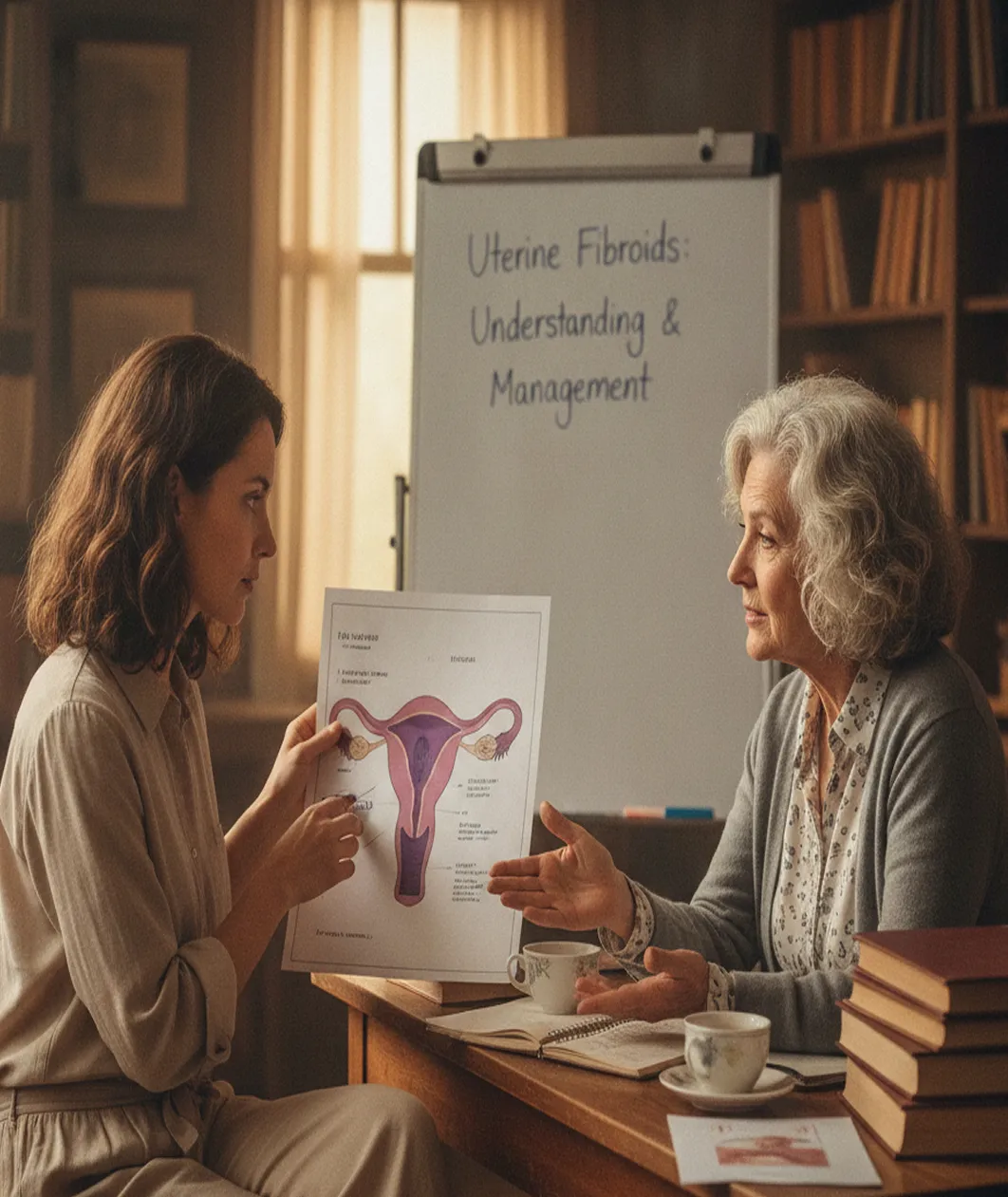
Sometimes fibroids develop and show no symptoms at all. But when they do affect fertility, you may notice:
These signs do not confirm infertility, but they suggest it may be worth checking for fibroids or other reproductive issues.
Learn More: Common Symptoms of Fibroids That Affect Reproductive Health
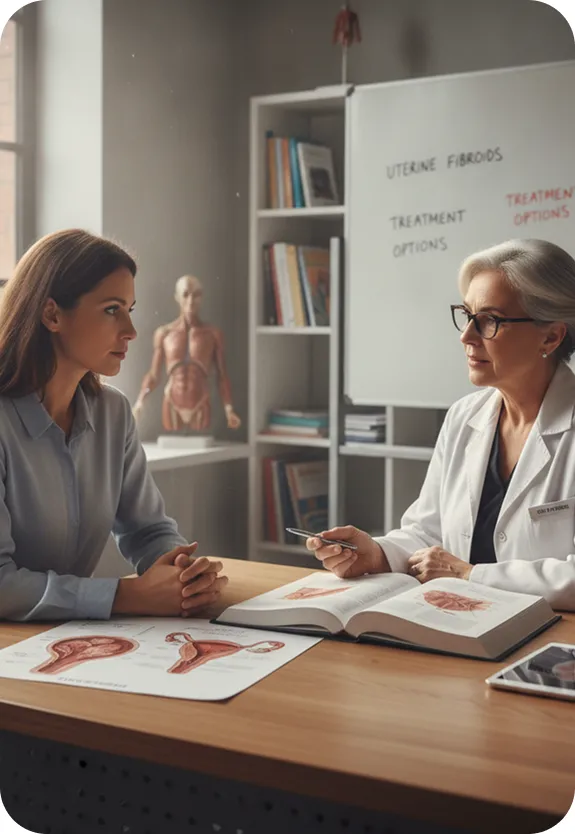
Most women with uterine fibroids still have normal pregnancies, but fibroids can sometimes increase certain risks depending on their size and location.
They may grow during pregnancy due to hormones and cause discomfort or pressure in the pelvis.
In some cases, they can also affect how the baby grows or is positioned.
Possible risks include:
Even with these risks, many women with fibroids still carry pregnancies successfully to full term, especially when fibroids are small or located on the outer wall of the uterus.
Learn More: What Size of Fibroid Is Considered Dangerous?
Yes, a natural pregnancy is very common even with uterine fibroids.
Your chances depend on:
If fibroids are not blocking the uterus or tubes, natural conception is often possible without any treatment.
Even women with multiple fibroids sometimes conceive naturally.
You should consult a fibroid treatment clinic if:
A doctor may recommend:
Early diagnosis helps protect both fertility and pregnancy health.
Treatment for uterine fibroids depends on symptoms, fibroid size, and the extent to which they affect fertility. In many cases, no treatment is needed, especially if fibroids are small and not interfering with the uterus.
When treatment is required, a top fertility clinic may suggest options to improve the chances of getting pregnant by removing or reducing the impact of fibroids.
Common treatment options include:
The right treatment depends on individual fertility goals, and many women are still able to conceive successfully after appropriate management.
So, can you get pregnant with uterine fibroids?
The answer is yes—most women can.
Fibroids only become a barrier when they interfere with the uterus, fallopian tubes, or implantation process. Their impact depends mainly on the type of fibroid, size, and location.
Many women with fibroids conceive naturally and go on to have healthy pregnancies. Even when fertility is affected, modern treatments offer strong solutions.
If you are trying to get pregnant and suspect fibroids, the best step is a simple medical evaluation. With the right guidance, most women can still achieve a successful pregnancy journey.