
Experiencing more than one miscarriage can be emotionally painful and confusing. Many couples are left asking the same question: Why is this happening again? The uncertainty often makes the situation even more stressful.
Recurrent miscarriage is not always caused by a single issue. It can be linked to hormonal imbalances, genetic factors, uterine problems, immune conditions, or lifestyle factors. In some cases, no clear cause is found, which can feel frustrating.
If you are seeking proper evaluation and care, a top recurrent miscarriage treatment clinic can help identify possible causes and guide the right next steps.
In this article, we will explain the common causes of recurrent miscarriage only. You will learn possible reasons, how doctors investigate them, and what options may help improve future pregnancy outcomes.
When a miscarriage happens more than once, it is natural to feel uncertainty and worry about future pregnancies. Identifying the underlying cause is important because:
In many cases, couples find reassurance once a proper diagnosis is made, even if the cause requires ongoing management.
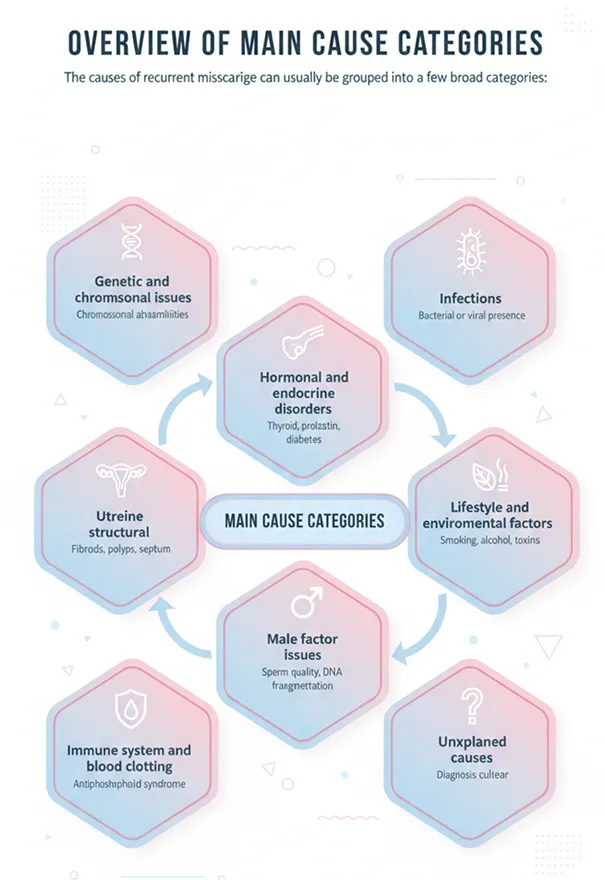
The causes of recurrent miscarriage can usually be grouped into a few broad categories:
Each category affects pregnancy differently, and sometimes more than one factor may be involved.
One of the most common causes of early miscarriage is a problem with the baby’s chromosomes. Chromosomes carry genetic instructions, and if they are not normal, the pregnancy may not develop properly.
Sometimes, this happens by chance when the egg and sperm meet. In other cases, one parent may carry a hidden chromosomal change that doesn’t affect their own health but can affect the pregnancy.
Key points:
Hormones are essential for a healthy early pregnancy. If they are not balanced, pregnancy may not grow properly.
Common issues include thyroid problems, Polycystic ovary syndrome, diabetes, high prolactin, and low progesterone.
These conditions can affect ovulation, implantation, or early fetal growth.
Key points:

The shape of the uterus (womb) plays a key role in pregnancy. If there is a structural issue, the embryo may not attach properly or may struggle to grow. Common problems include fibroids, a uterine septum (a wall inside the uterus), scar tissue, or an abnormally shaped uterus. These conditions can reduce space or blood flow needed for a healthy pregnancy. Many of them can be diagnosed with ultrasound or other scans, and some can be treated to improve outcomes.

Sometimes the immune system or blood clotting system can affect pregnancy. The body may wrongly attack the pregnancy or reduce blood flow to the baby.
One key condition is Antiphospholipid syndrome, where abnormal antibodies increase clot formation in the placenta.
Other causes include inherited clotting disorders and autoimmune diseases like lupus.
Key points:
Infections are a less common but still possible cause of miscarriage, especially if they affect the uterus or placenta during early pregnancy.
Possible infections include:
In many cases, infections may not directly cause miscarriage but can increase inflammation or affect overall pregnancy health. Early screening and treatment help reduce this risk.
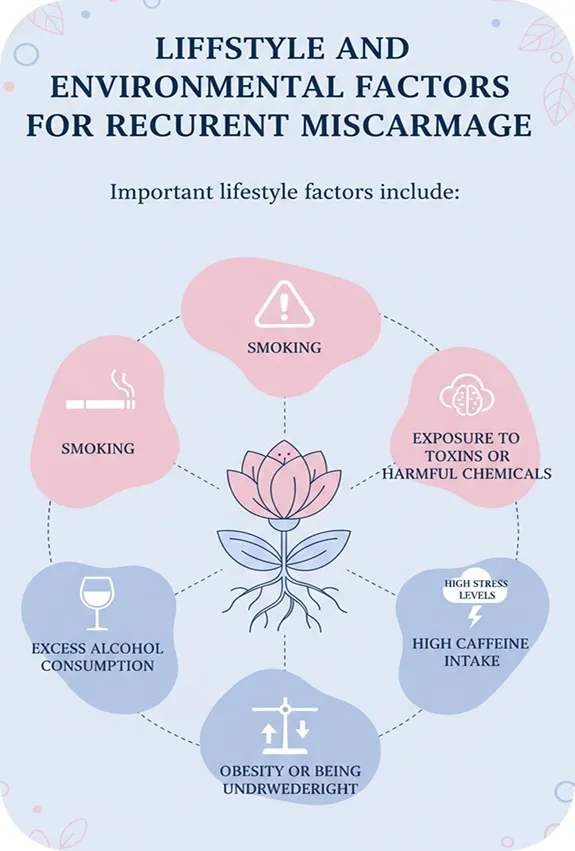
Lifestyle choices and environmental exposure can also influence pregnancy health. While they are not always the sole cause of recurrent miscarriage, they can increase risk when combined with other factors.
Important lifestyle factors include:
Improving overall health before conception can make a meaningful difference in pregnancy success. Doctors often recommend a balanced diet, regular exercise, and prenatal vitamins such as folic acid.
Although miscarriage is often associated with maternal health, male factors can also contribute. Sperm quality plays an important role in embryo development.
Possible male-related causes include:
Even if fertilization occurs normally, damaged sperm DNA can lead to early pregnancy loss. In such cases, specialized sperm testing may be recommended.
In some cases, despite thorough testing, no clear cause is found. This is known as unexplained recurrent miscarriage.
This can be frustrating, but it is important to know:
Even without a clear diagnosis, emotional support and early pregnancy care can make a significant difference.

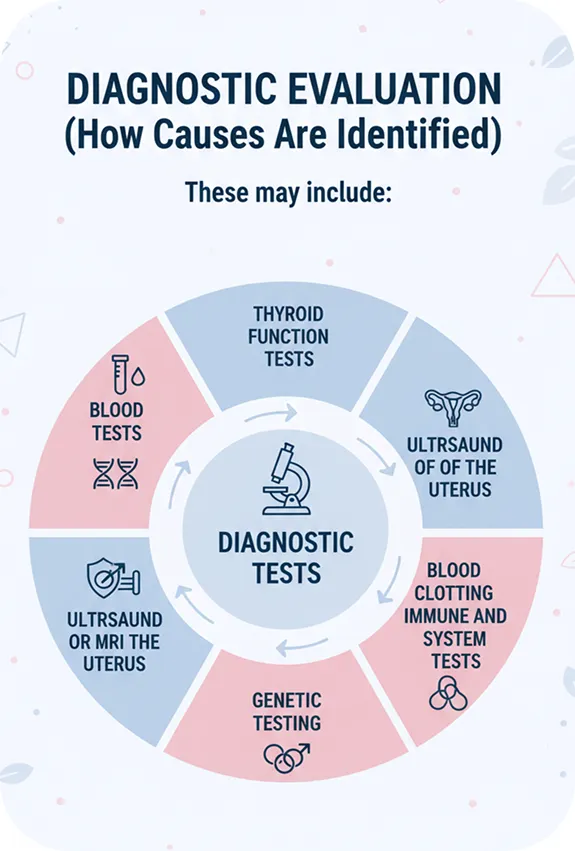
When someone experiences recurrent miscarriage, doctors usually recommend a series of tests to find possible causes.
These may include:
The goal is to identify any treatable or manageable condition that could affect future pregnancies.
Treatment depends entirely on the underlying issue:
In many cases, a combination of treatments is used to improve success rates.
While not all miscarriages can be prevented, several steps can improve future pregnancy outcomes:
Doctors may also recommend early scans and close monitoring in the first trimester for high-risk patients.

Recurrent miscarriage is not only a physical experience but also an emotional one. Feelings of grief, guilt, anxiety, and frustration are very common.
It is important to remember:
Many couples find it helpful to speak openly with a fertility specialised clinic about both medical and emotional concerns.
Recurrent miscarriage can have many different causes, ranging from genetic and hormonal issues to structural, immune, and lifestyle-related factors.
In some cases, no clear cause is found, but that does not mean future pregnancy success is impossible.
With proper medical evaluation, targeted treatment, and emotional support, many couples go on to have healthy pregnancies.
Understanding the common causes of recurrent miscarriage is the first step toward answers, reassurance, and hope for the future.