Many women discover uterine fibroids after symptoms like heavy periods, pelvic pressure, or trouble conceiving. These issues can feel confusing and stressful when the cause is unknown.
Uterine Fibroids are common non-cancerous growths in the uterus. Even though they are not dangerous in most cases, they can still affect menstrual health and fertility. In some cases, visiting a trusted fibroid treatment clinic can help identify the problem early and guide the right care.
In this guide, you’ll get a clear and simple explanation of fibroids—what they are, why they happen, and how they may impact pregnancy, so you can understand everything easily.
Fibroids are made of muscle and fibrous tissue. They can grow inside the uterus, on its outer surface, or within its muscular wall.
Some are tiny and cause no symptoms, while others can grow large enough to distort the shape of the uterus.
The exact cause of fibroids is not fully understood, but they are strongly influenced by hormones like estrogen and progesterone. That’s why they often grow during reproductive years and shrink after menopause.
Fibroids are extremely common. Many women have them without even knowing, because they don’t always cause noticeable symptoms.
Fibroids are classified based on their location in the uterus. Their position plays a major role in the type of symptoms they cause and how they affect fertility.
These fibroids grow just under the inner lining of the uterus and can extend into the uterine cavity.
They are the type most likely to affect fertility because they can interfere with implantation and embryo growth, even when small.
These grow within the muscular wall of the uterus and are the most common type.
If they become large, they may change the shape of the uterus and make implantation more difficult.
These develop on the outer surface of the uterus and grow outward into the pelvic area.
They usually do not affect fertility, but large ones can cause pressure on the bladder or nearby organs.
These fibroids are attached to the uterus by a thin stalk, giving them a mushroom-like shape.
They may grow inside or outside the uterus and can sometimes cause pain if they twist or become large.
Fibroids can vary greatly in size—from as small as a seed to as large as a melon.
Some women may have just one fibroid, while others may develop multiple at the same time.
The impact on fertility depends not only on size but also on number and location. For example:
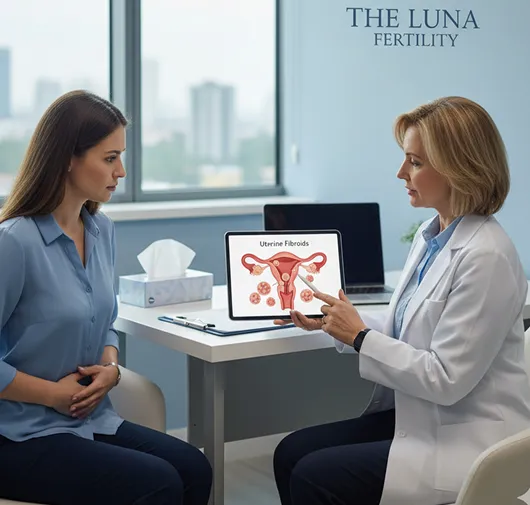
There is no single clear cause of fibroids, but several factors increase the likelihood of developing them:
Fibroids are not caused by lifestyle mistakes alone—they are influenced by a mix of biology, genetics, and hormones.
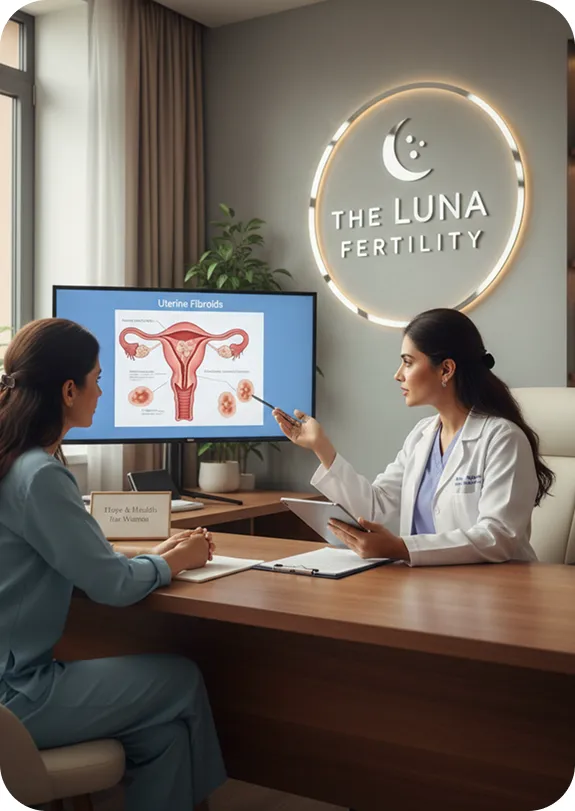
Many women with fibroids experience no symptoms at all. However, when symptoms do appear, they may include:
In some cases, fibroids can also lead to anemia due to excessive blood loss during periods.
Fibroids can affect fertility depending on their size, number, and location in the uterus. In some cases, they may block sperm from reaching the egg or change the normal shape of the uterus.
They can also affect blood flow to the uterine lining, interfere with embryo implantation, and in some cases increase the risk of miscarriage. However, many women with fibroids still conceive naturally without any problems.
Different fibroid types affect fertility in different ways:
This is why proper diagnosis and imaging are essential before making fertility decisions.
Yes, many women with fibroids successfully get pregnant and have healthy babies.
However, the outcome depends on:
Some women may conceive naturally, while others may need medical assistance or minor surgical treatment before trying.
The presence of fibroids does not automatically mean infertility.
Fibroids can behave unpredictably during pregnancy. Some may stay the same size, while others may grow due to increased hormone levels.
Possible effects during pregnancy include:
Despite these risks, many pregnancies with fibroids progress normally with proper medical monitoring.
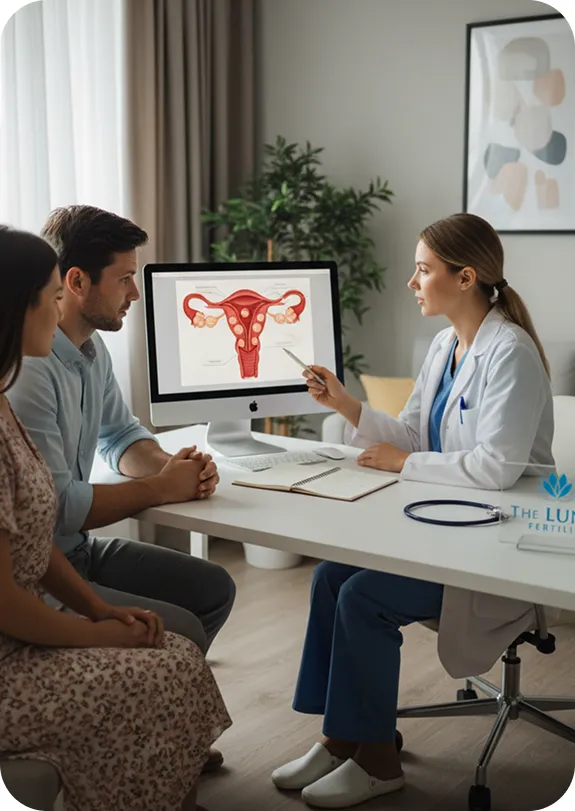
Doctors use several methods to diagnose fibroids:
If fertility issues are present, doctors may also recommend hormone testing or additional reproductive assessments to understand the full picture.
Treatment for fibroids depends on the symptoms, size, and whether you are planning a pregnancy. Some women may not need any treatment at all if the fibroids are small and not causing issues.
When treatment is needed, options may include medication to control symptoms, non-surgical procedures to shrink fibroids, or surgery such as myomectomy to remove them while preserving the uterus.
Doctors may prescribe different medications depending on the condition:
The choice depends on age, diagnosis, and response to previous cycles.
If fibroids are affecting fertility, doctors may suggest assisted reproductive methods such as:
In some cases, fibroids may be removed before starting fertility treatments to improve success rates.
Lifestyle changes cannot remove fibroids, but they can help manage symptoms and support overall hormonal balance. Many women find relief by making small, consistent health improvements.
A balanced diet, regular exercise, healthy weight management, and stress control can all support reproductive health. These habits may also help slow fibroid growth and improve overall well-being.
You should consult a fertility specialised clinic if you experience:
Early evaluation helps prevent complications and improve fertility outcomes.
lear more: When to See a Fertility Specialist: Signs You Should Not Ignore
There is no guaranteed way to prevent fibroids, but early detection is key.
Regular gynecological check-ups can help identify fibroids before they become large or problematic. Ultrasound screenings are especially useful for early diagnosis.
Understanding your body and noticing changes in your menstrual cycle is also important for early awareness.
Uterine Fibroids are common non-cancerous growths that can range from mild to more serious depending on their size and location. In some cases, they may affect fertility, but many women still conceive naturally and have healthy pregnancies.
Early diagnosis is important, along with understanding the type of fibroids and how they may impact your fertility. This helps in choosing the right and most effective treatment plan based on individual needs.
If you are facing symptoms or difficulty in conceiving, it’s best to consult a healthcare professional. With proper care and guidance, fibroids can be managed and do not have to stop you from achieving a healthy pregnancy or reproductive life.