
Fertility issues can feel frustrating and emotionally draining, especially when pregnancy does not happen as expected. Many people notice small changes in their bodies but often assume they are temporary or harmless.
The challenge is that early fertility problems do not always show clear symptoms. Irregular cycles, hormonal shifts, or subtle reproductive changes are often ignored until conception becomes difficult, which is why guidance from a best fertility clinic can sometimes help in identifying concerns early.
This article will give you a clear and complete explanation of the early signs of fertility issues, their possible causes, and when to seek medical help. The aim is to help you understand your body better and take informed steps with confidence.
Fertility issues refer to difficulties in conceiving a child after regular, unprotected intercourse for a certain period of time.
Medically, infertility is often diagnosed when a couple has been trying to conceive for 12 months without success (or 6 months if the woman is over 35).
Fertility depends on several biological processes working together, including:
If any of these processes are disrupted, conception can become difficult.

Fertility issues in women often show through changes in the menstrual cycle and hormonal balance.
These signs can be subtle at first but become more noticeable over time. Common early signs include:
These symptoms do not always confirm a fertility problem, but they are important early warning signs that should not be ignored.


Fertility issues in men are often linked to sperm health, hormone levels, and overall reproductive function.
Many signs can be subtle and may go unnoticed without attention. Common early signs include:
These symptoms do not always mean infertility, but they can indicate underlying issues that may affect reproductive health and should be checked if they persist.
Not all fertility issues are obvious. Some signs are mild and often overlooked:
These symptoms alone do not confirm fertility problems, but when combined, they may indicate underlying reproductive health concerns.
Fertility problems can develop due to a mix of medical, hormonal, and lifestyle factors.
In many cases, more than one cause may be involved, which makes early understanding important. Common causes include:
Identifying the root cause early can help improve treatment options and increase the chances of successful conception.

Some lifestyle and environmental factors can increase the risk of fertility issues:
Understanding these risk factors can help in making informed lifestyle changes.

Early consultation with a fertility specialist or gynecologist can help identify issues sooner and improve treatment outcomes.
It is important to seek medical advice if:
Learn More: When to See a Fertility Specialist
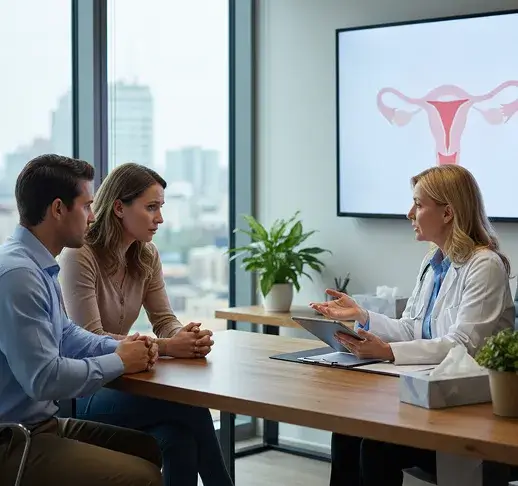
Fertility testing usually involves both partners. The goal is to identify the underlying cause rather than just the symptoms. Common diagnostic steps include:
For women:
For men:
Diagnosis is often straightforward and helps guide the most effective treatment plan.
Yes, many fertility issues can be treated successfully, especially when detected early.
Treatment options may include:
The treatment depends on the underlying cause and individual health conditions.


Improving fertility often starts with simple lifestyle changes. While medical treatment is sometimes needed, daily habits can play a big role in supporting reproductive health.
Natural ways to support fertility include:
These changes may not guarantee immediate results, but they can significantly improve overall reproductive health over time.
Preventing fertility issues is not always possible, but you can reduce risks by adopting healthy habits early:
These steps support long-term fertility and overall well-being.

Early signs of fertility issues are often subtle, but recognizing them can make a significant difference in diagnosis and treatment success. Irregular cycles, hormonal changes, sexual health concerns, and lifestyle factors should not be ignored.
Fertility is influenced by a combination of physical, hormonal, and environmental factors. The earlier you understand what your body is telling you, the better your chances of taking effective action.
If you notice persistent symptoms or have concerns about your reproductive health, consulting a healthcare professional is the most reliable next step. Early intervention often leads to better outcomes and more treatment options.