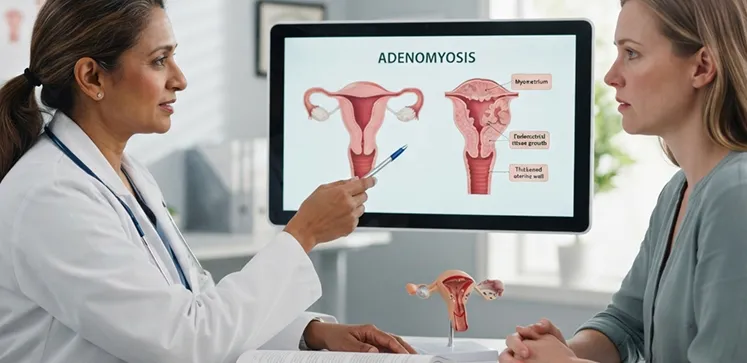
Adenomyosis is a gynaecological condition that can cause heavy periods, painful cramps, pelvic pain, and discomfort during sex. It may also affect fertility and daily life.
Finding an experienced adenomyosis specialist in the UK can help you understand your symptoms and explore suitable treatment options, from medication to surgery.
In this guide, we cover 10 gynaecologists and reproductive health specialists in London, Liverpool, Greater Manchester, and Harrogate to help you research your options.
We used publicly available information to select these specialists, considering the following factors:
Before booking, check each doctor’s current experience, services, and availability to make sure they meet your needs.
Here are 10 specialists to consider when researching adenomyosis care in the UK:
Read their profiles below for details about their clinical interests and services.
Professor Bassel H. Al Wattar is a consultant gynaecologist and Professor of Reproductive Medicine and Surgery.
He is one of the well-known specialists to consider when researching adenomyosis care in the UK, particularly for women with fertility-related concerns.
His academic and clinical expertise includes several important areas:
His combination of academic research and clinical expertise contributes to the understanding of reproductive health and the relationship between gynaecological conditions and fertility.

Ms Suruchi Pandey is a consultant gynaecologist at St George’s University Hospitals NHS Foundation Trust.
Her specialist interests include adenomyosis, endometriosis, pelvic pain, and minimally invasive gynaecological surgery. She also has expertise in advanced gynaecological ultrasound.
Her clinical expertise covers several important areas:
Her experience across these areas supports the assessment of uterine conditions and related pelvic symptoms.
Miss Ghada Salman is a consultant gynaecologist at University College London Hospitals.
Her clinical interests include benign gynaecological conditions, such as adenomyosis, fibroids, and menstrual disorders. She also has postgraduate training in gynaecological and early pregnancy ultrasound.
Her professional expertise includes several areas of women’s health:
Her clinical background combines general gynaecological care with ultrasound training, supporting the investigation of uterine conditions and menstrual problems.
Miss Asmaa Al-Kufaishi is a consultant obstetrician and gynaecologist at St Mary’s Hospital, part of Imperial College Healthcare NHS Trust.
Her specialist interests include adenomyosis, fibroids, menstrual disorders, and benign gynaecology. She also offers outpatient procedures, including hysteroscopy and intrauterine device insertion.
Her clinical expertise covers several areas of women’s health:
Her experience in benign gynaecology and outpatient procedures supports the assessment and management of a range of uterine conditions.
Learn more
Dr Melody Taheri is a consultant obstetrician and gynaecologist at St Mary’s Hospital in London.
Her clinical interests include adenomyosis, painful periods, pelvic pain, fibroids, and other benign gynaecological conditions. She also has a research interest in minimally invasive treatments for uterine conditions.
Her professional interests include several relevant areas:
Her clinical and research interests focus on uterine conditions and treatment approaches that may help manage related symptoms.
Dr Mahantesh Karoshi is a consultant gynaecologist with specialist interests in adenomyosis, fibroids, menstrual disorders, and infertility.
His clinical practice includes minimally invasive gynaecological surgery and non-surgical treatments for uterine conditions.
His areas of expertise cover several aspects of gynaecological care:
His experience across uterine conditions, fertility, and surgical treatments provides a broad background in managing related gynaecological concerns.
Mr Shaheen Khazali is a consultant gynaecologist with experience in benign gynaecological conditions, pelvic pain, endometriosis, and minimally invasive surgery.
His clinical expertise also includes adenomyosis and related uterine conditions.
His professional expertise covers several relevant areas:
His background in pelvic pain and minimally invasive gynaecology is relevant to women exploring treatment options for adenomyosis and related conditions.
Mr Ilyas Arshad is a consultant gynaecologist who practises at Spire Liverpool Hospital.
His specialist interests include adenomyosis, endometriosis, pelvic pain, menstrual disorders, and minimally invasive surgery. His services include diagnostic investigations and surgical treatment where appropriate.
His clinical interests cover several aspects of gynaecological care:
His experience in benign gynaecology and minimally invasive surgery provides a relevant background for women seeking assessment and treatment for adenomyosis in Liverpool and the surrounding area.
Dr Ksenia Alex is a consultant obstetrician and gynaecologist with expertise in reproductive medicine, adenomyosis, endometriosis, and fertility-related concerns.
Her clinical interests include advanced ultrasound, reproductive endocrinology, and fertility planning.
Her professional expertise covers several relevant areas:
Her background in reproductive medicine and fertility assessment is particularly relevant for women managing adenomyosis while considering pregnancy.
Miss Dorota Hardy is a consultant gynaecologist and minimally invasive surgeon who practises at Spire Harrogate Clinic and Spire Leeds Hospital.
Her areas of expertise include adenomyosis, endometriosis, fibroids, menstrual disorders, and chronic pelvic pain.
Her clinical expertise includes several areas of gynaecological care:
Her experience in gynaecological surgery and benign uterine conditions is relevant for women exploring treatment options for adenomyosis in Harrogate and Leeds.
The following table summarises each doctor’s main areas of relevance to help you narrow down your options. It is not a ranking of clinical outcomes.
Specialist | Location | Main Expertise | Best Suited For |
Professor Bassel H. Al Wattar | London | Reproductive medicine | Fertility concerns |
Ms Suruchi Pandey | London | Adenomyosis, ultrasound | Pelvic pain |
Miss Ghada Salman | London | Gynaecology, ultrasound | Heavy periods |
Miss Asmaa Al-Kufaishi | London | Benign gynaecology | Abnormal bleeding |
Dr Melody Taheri | London | Fibroids, uterine conditions | Heavy bleeding |
Dr Mahantesh Karoshi | London | Fertility, uterine surgery | Fertility concerns |
Mr Shaheen Khazali | London | Pelvic pain, surgery | Complex symptoms |
Mr Ilyas Arshad | Liverpool | Endometriosis, pelvic pain | Persistent pain |
Dr Ksenia Alex | Greater Manchester | Fertility, reproductive medicine | Pregnancy planning |
Miss Dorota Hardy | Harrogate | Minimally invasive surgery | Surgical options |
Before making an appointment, confirm that the doctor currently treats adenomyosis and offers the specific investigations or treatments you need.
The best specialist for you depends on your symptoms, medical history, and treatment goals. Consider these factors:
A good consultation should give you time to ask questions and understand the advantages and limitations of each option.
Treatment depends on the severity of your symptoms, age, medical history, and whether you want to become pregnant. Common options include:
Your specialist should explain which options suit your needs and discuss their possible side effects and limitations.
Consider seeing a gynaecologist if you experience:
A GP can assess your symptoms and arrange further investigations or a referral.
Seek urgent medical advice if your pelvic or period pain is severe or worse than usual and painkillers have not helped.
The cost of adenomyosis treatment in the UK depends on whether you choose NHS or private care and which tests or treatments you need.
For private care, an initial gynaecology consultation may cost around £200–£3000, based on published fees from selected clinics and specialists. This covers the consultation only, not the full cost of diagnosis or treatment.
Additional costs may include ultrasound or MRI scans, medication, follow-up appointments, and surgery. Ask the clinic for a full cost estimate before booking.
Both NHS and private healthcare can provide assessment and treatment for adenomyosis. The main differences involve cost, referral pathways, waiting times, and choice of consultant.
Feature | NHS Care | Private Care |
Cost | Usually free | Paid services |
Access | GP referral | Direct booking may be available |
Specialist choice | Referral-based | More choice |
Tests | Clinically arranged | Availability and fees vary |
Treatment | Based on clinical need | Depends on provider |
The NHS is a good starting point if cost is a concern. Private care may offer more choice over the consultant and appointment timing, but it does not guarantee a better outcome.
Choosing the right adenomyosis specialist in the UK can help you manage painful periods, heavy bleeding, and other symptoms.
Before booking, check the doctor’s experience, treatment options, consultation fees, and availability. If you plan to have children, discuss your fertility goals.
You do not have to live with severe period pain. Seeking medical advice can help you understand your condition and find suitable treatment.