
Uterine fibroids can cause heavy periods, pelvic pain, abdominal pressure, and fertility problems, affecting daily life and overall well-being.
Finding an experienced fibroid surgeon in the UK can help you explore suitable treatments, from minimally invasive procedures to fertility-preserving surgery.
In this guide, we have compiled a list of the top 10 fibroid surgeons in the UK, including their expertise and hospital affiliations to help you make an informed choice.
We considered several factors when preparing this list:
The list draws on publicly available professional profiles and hospital information.
Patients should confirm each doctor’s current role, treatment availability, and suitability for their individual needs.
Here are 10 fibroid surgeons and specialists in the UK to consider when exploring treatment options.
Below, we explore each specialist’s background, expertise, and hospital affiliation.
Professor Bassel H. Al Wattar is considered one of the leading fibroid surgeons in the UK, with expertise in reproductive medicine, gynaecology, and fertility-related conditions. As a consultant gynaecologist and Professor of Reproductive Medicine and Surgery, he combines clinical practice with academic research to advance women’s healthcare.
His key areas of expertise include:
His background makes him a notable specialist for women exploring fibroid treatment, particularly when fertility and reproductive health are important considerations.
Patients should confirm his current fibroid surgery services and suitability for their individual needs.
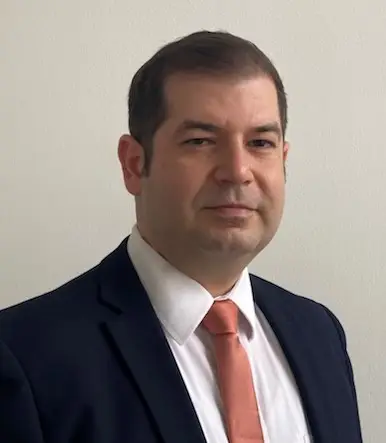
Mr Hugh Byrne is a consultant gynaecologist with interests in fibroids, endometriosis, and minimally invasive gynaecological surgery.
His expertise includes different surgical approaches to treating fibroids while considering patients’ symptoms and fertility goals.
His relevant treatment approaches include:
Patients can consult Mr Byrne to discuss suitable treatment options based on their individual needs.
The best approach depends on fibroid size, location, symptoms, and future pregnancy plans.
Mr Sourav Das is included in this list for further consideration through St George’s gynaecology services.
However, his current role and specific experience in fibroid surgery should be confirmed through official hospital records.
Before booking a consultation, consider checking the following:
Verifying these details can help you make an informed choice. A specialist consultation should clarify the most suitable treatment for your symptoms and individual circumstances.
Dr Melody Taheri is a consultant obstetrician and gynaecologist at St Mary’s Hospital, with an interest in fibroid management and minimally invasive treatments.
Her doctoral research explored newer approaches to treating fibroids, including radiofrequency ablation.
Her relevant areas of interest include:
Patients can discuss the benefits and limitations of available treatments during a consultation. The right option depends on fibroid size, location, symptoms, and future pregnancy plans.
Learn more
Ms Asmaa Al-Kufaishi is a consultant obstetrician and gynaecologist with interests in benign gynaecological conditions, including fibroids, adenomyosis, and menstrual disorders. Her clinical work includes outpatient procedures such as hysteroscopy.
Patients may consult her to investigate heavy periods and other symptoms associated with uterine fibroids. Treatment recommendations depend on the underlying cause and individual circumstances.
Her relevant clinical areas include:
A specialist assessment can help identify suitable next steps. Patients should discuss available treatments, expected benefits, and possible risks before deciding on a treatment plan.
Ms Krupa Madhvani is associated with Imperial College Healthcare NHS Trust’s specialist fibroid services, which assess patients and offer different approaches to fibroid management. These may include medical treatment, surgery, and radiological procedures, depending on clinical suitability.
Patients considering an appointment should discuss their symptoms, fibroid characteristics, and preferred treatment goals. It is particularly important to explore womb-preserving options if future pregnancy is a priority.
Key topics to discuss include:
Confirm her current clinical role and experience with the specific procedure you are considering. A personalised consultation can help determine the most appropriate approach.
Jan Grace is a consultant gynaecologist and subspecialist in reproductive medicine and surgery at Guy’s and St Thomas’ NHS Foundation Trust. Her clinical interests include reproductive surgery, fertility preservation, and fibroid management.
Her relevant areas of expertise include:
Patients concerned about fibroids and future pregnancy can discuss how different treatments may affect their reproductive goals.
The most suitable approach depends on their symptoms, medical history, and fertility plans.
Dr Arohan Sapkota is a consultant gynaecologist at the Royal Free Hospital with an interest in advanced minimally invasive surgery. His clinical practice includes laparoscopic and robotic surgery, myomectomy, and operative hysteroscopy for conditions such as fibroids.
His relevant surgical approaches include:
Patients can discuss whether these approaches are suitable for their condition. The decision depends on fibroid size, number, location, and overall health.
Mr Nitish Narvekar is a consultant obstetrician and gynaecologist with interests in reproductive medicine, infertility, and benign gynaecological surgery.
His clinical expertise includes laparoscopic and hysteroscopic procedures for selected uterine conditions.
Patients exploring fibroid treatment alongside fertility concerns may find his background relevant. Important areas to discuss include:
A consultation can help establish whether treatment is necessary and which options best suit the patient’s circumstances.
Mr Kumar Kunde is a consultant obstetrician and gynaecologist at Guy’s and St Thomas’ NHS Foundation Trust. His clinical interests include fibroids, endometriosis, and minimally invasive gynaecological surgery.
His relevant areas of practice include:
Patients can discuss their symptoms, treatment preferences, and fertility goals during a specialist consultation.
The recommended approach depends on the type of fibroids, their location, and the patient’s individual needs.
The following table summarises the main areas of interest documented in the available professional information.
It is not a comparison of success rates or clinical outcomes.
Fibroid Surgeon | Hospital | Main Expertise | Treatment Focus |
Professor Bassel H. Al Wattar | Reproductive medicine services | Reproductive medicine | Fertility care |
Mr Hugh Byrne | St George’s Hospital | Fibroid surgery | Myomectomy |
Mr Sourav Das | St George’s Hospital* | Requires verification | Confirm expertise |
Dr Melody Taheri | Imperial College Healthcare | Fibroid management | Ablation and minimally invasive care |
Ms Asmaa Al-Kufaishi | Imperial College Healthcare | Benign gynaecology | Hysteroscopy |
Ms Krupa Madhvani | Imperial College Healthcare | Fibroid services | Treatment planning |
Jan Grace | Guy’s and St Thomas’ | Reproductive surgery | Fertility preservation |
Dr Arohan Sapkota | Royal Free London | Minimally invasive surgery | Laparoscopic and robotic surgery |
Mr Nitish Narvekar | King’s College Hospital | Reproductive medicine | Fertility and surgery |
Mr Kumar Kunde | Guy’s and St Thomas’ | Benign gynaecology | Laparoscopic surgery |
The best treatment depends on the fibroids’ size, number, and location, the severity of symptoms, and whether you want to become pregnant in the future.
Not every treatment suits every patient. A specialist should explain the benefits, risks, alternatives, and possible causes of infertility before you decide.
Choosing the right fibroid surgeon depends on your symptoms, treatment goals, and medical history. The right specialist should explain your options clearly and help you make an informed decision.
Before booking a consultation, consider these important factors:
During your consultation, ask about potential risks, recovery time, and the likelihood of needing further treatment.
This will help you choose a surgeon whose expertise and approach match your needs.
Private fibroid surgery in the UK can cost approximately £3,000–£10,000 or more, depending on the procedure, hospital, and complexity of treatment.
NHS treatment is usually free for eligible patients. Private costs may include consultations, scans, surgery, anaesthesia, and follow-up care.
Always request a full cost estimate before proceeding, as prices vary between hospitals and surgeons.
Both NHS and private services can offer specialist fibroid assessment and treatment. The right route depends on your clinical needs, eligibility, budget, and how quickly you need an appointment.
Feature | NHS Treatment | Private Treatment |
Cost | Usually free | Self-pay or insured |
Referral | Usually via GP | Often direct |
Waiting time | Can be longer | Often shorter |
Surgeon choice | More limited | Often wider |
Treatment options | Locally available | Provider-dependent |
Follow-up | NHS care team | Private care team |
Choosing the right fibroid surgeon starts with finding someone who understands your symptoms, treatment needs, and fertility goals.
The UK has experienced gynaecologists offering different fibroid treatments. Use this list to compare specialists, check their expertise, and explore your options.
Before deciding, ask about treatment risks, recovery time, costs, and future pregnancy. This will help you choose the right approach for your needs.