Many people drink coffee, tea, or other caffeinated beverages daily, but those trying to conceive often wonder if caffeine can affect fertility. While moderate caffeine intake is generally considered safe, high amounts may have an impact on reproductive health.
Research does not show a clear link between normal caffeine consumption and infertility. However, many fertility experts recommend limiting caffeine while trying to conceive and during pregnancy as a precaution.
This guide explores how caffeine may affect female and male fertility, IVF success, and the recommended caffeine limits for those planning a pregnancy.
Caffeine is a natural stimulant found in coffee, tea, chocolate, energy drinks, and some medications.
It works by blocking adenosine, a chemical that makes you feel tired, helping you feel more awake and focused.
While moderate caffeine intake is generally safe, too much caffeine may cause:
If you’re trying to conceive, understanding how caffeine affects your body can help you make informed choices for your reproductive health.
Caffeine affects the body by stimulating the brain and nervous system. It blocks adenosine, a chemical that makes you feel tired, helping you feel more awake, focused, and energetic.
After drinking caffeine, it can also:
Your body breaks down caffeine through the liver, but consuming too much can lead to side effects such as anxiety, trouble sleeping, headaches, and restlessness.
When trying to conceive, understanding how caffeine affects your body can help you make healthier choices for your fertility journey.
Research shows that moderate caffeine intake is unlikely to significantly affect female fertility.
However, consuming very high amounts of caffeine may have a small impact on the chances of getting pregnant for some women.
Studies have looked at whether caffeine affects:
This type of mucus helps sperm move more easily through the cervix toward the egg.
The results are mixed, but experts generally agree that a small amount of caffeine is unlikely to cause fertility problems.
If you’re trying to conceive, limiting caffeine intake can be a healthy choice.
Women with fertility conditions such as PCOS, endometriosis, or irregular ovulation should discuss caffeine intake with a fertility specialist for personalized advice.
Research suggests that moderate caffeine intake does not usually have a major impact on male infertility.
However, very high caffeine consumption, especially from energy drinks, may affect sperm health in some men.
Studies have explored whether caffeine affects:
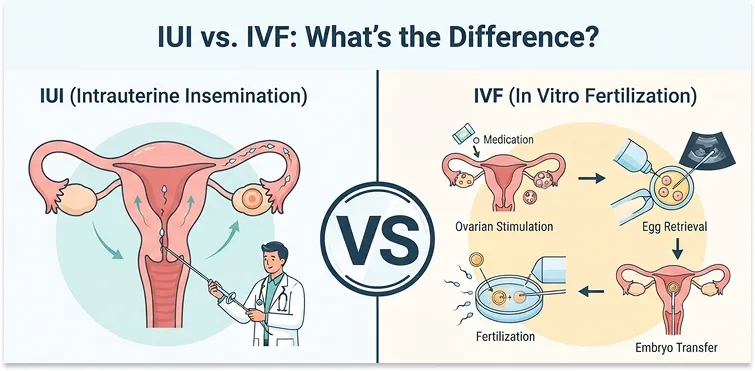
However, IUI may not be effective when there are major problems with egg quality, blocked fallopian tubes, or severe male infertility.
The evidence is mixed, but maintaining a healthy lifestyle has a much stronger effect on male fertility than moderate coffee consumption.
If you’re trying to conceive, reducing excessive caffeine intake and focusing on good nutrition, regular exercise, and healthy habits can support better reproductive health.
Caffeine is only one small factor that may affect fertility.
For most people, moderate caffeine intake is unlikely to reduce the chances of getting pregnant.
However, consuming large amounts of caffeine every day may have a small effect on fertility for some individuals.
Other factors, such as age, hormone levels, ovulation, sperm health, and overall lifestyle, usually play a much bigger role.
If you’re trying to conceive, keeping caffeine intake moderate while maintaining a healthy diet, regular exercise, and good sleep habits can support your fertility journey.
Research has not found a strong link between moderate caffeine intake and lower IVF success rates.
However, many fertility specialists recommend limiting caffeine during fertility treatments as a precaution.
High caffeine intake may potentially affect factors such as:
If you’re undergoing IVF, IUI, or other fertility treatments, it’s best to follow your fertility clinic’s advice about caffeine.
Keeping intake moderate can be part of a healthy lifestyle during your fertility journey.
Once pregnancy occurs, caffeine becomes a greater concern because it crosses the placenta and reaches the developing baby.
Unlike adults, the fetus cannot efficiently break down caffeine. As pregnancy progresses, caffeine also remains in the mother’s body for longer periods due to slower metabolism.
High caffeine intake during pregnancy has been associated in some studies with an increased risk of:
Although research continues, most healthcare organizations recommend limiting caffeine throughout pregnancy to reduce potential risks.
There is no universally agreed limit specifically for fertility, but most fertility specialists encourage moderation.
Many healthcare organizations recommend keeping caffeine intake below 200 milligrams per day when trying to conceive and during pregnancy.
For reference:
Remember that caffeine can come from multiple sources throughout the day, so it’s helpful to calculate your total daily intake.
Many people consume more caffeine than they realize because it is found in a wide range of foods and drinks.
Common sources include:
Always check nutrition labels, especially for energy drinks and dietary supplements, as caffeine content can vary significantly.
Reducing caffeine doesn’t have to happen overnight. Gradually lowering your intake can help prevent withdrawal symptoms like headaches and fatigue.
Here are a few practical tips:
Small lifestyle changes are often easier to maintain over time.
While limiting caffeine may support a healthy lifestyle, it is unlikely to resolve fertility problems on its own.
Consider speaking with a fertility specialist clinic if:
A fertility specialist can evaluate both partners and recommend appropriate tests and treatment options based on your individual circumstances.
Learn more
Moderate caffeine intake is unlikely to have a major effect on fertility for most men and women. However, consuming high amounts regularly may affect fertility and pregnancy outcomes.
If you’re trying to conceive, keeping caffeine intake around 200 mg or less per day is generally recommended. A healthy diet, regular exercise, and good sleep can also support your fertility journey.
If you have difficulty getting pregnant or concerns about fertility, a fertility specialist can provide personalized advice and identify any possible underlying issues.