When a couple has trouble conceiving, sperm count, movement, and shape are often the first things doctors check.
However, these tests do not always show the full picture. Sperm can look normal but still have damage to their DNA.
Sperm DNA fragmentation means that the genetic material inside sperm has been damaged. Higher levels of fragmentation may affect fertilization, embryo development, and pregnancy outcomes in some couples.
Understanding the causes, testing options, and ways to improve sperm DNA quality can help couples make more informed decisions about their fertility care.
Sperm DNA fragmentation means that the DNA inside sperm cells is damaged or broken. DNA contains the genetic information needed to help create a healthy embryo, so good-quality sperm DNA is important for fertility.
Some DNA damage can happen naturally as sperm develop. The body can usually deal with a certain amount of this damage. Problems may occur when the amount of damage becomes too high.
Sperm DNA fragmentation is different from having a low sperm count. A man can have a normal sperm count, movement, and shape but still have a high level of DNA fragmentation. A standard semen analysis does not always detect this type of damage.
Sperm DNA integrity may influence several stages of reproduction. Damaged sperm DNA can make fertilization more difficult in some situations and may affect the embryo after fertilization.
Research has associated higher sperm DNA fragmentation with outcomes such as:
However, DNA fragmentation is not a diagnosis of infertility by itself.
Fertility depends on many factors, including egg quality, ovulation, fallopian tube health, sperm parameters, age, and overall reproductive health.
Several factors can contribute to sperm DNA damage.
One of the most important is oxidative stress, which occurs when harmful molecules called reactive oxygen species overwhelm the body’s antioxidant defenses.
Common factors associated with sperm DNA fragmentation include:
Sometimes, no single cause can be identified.
A fertility specialist may therefore consider the complete medical and reproductive history rather than focusing on one factor.
Learn more
There are usually no obvious symptoms of sperm DNA fragmentation. A man may feel completely healthy and have no changes in sexual function, ejaculation, or libido.
It may only become a concern when a couple experiences:
Because there are no reliable physical symptoms, testing is the only way to directly assess sperm DNA integrity.
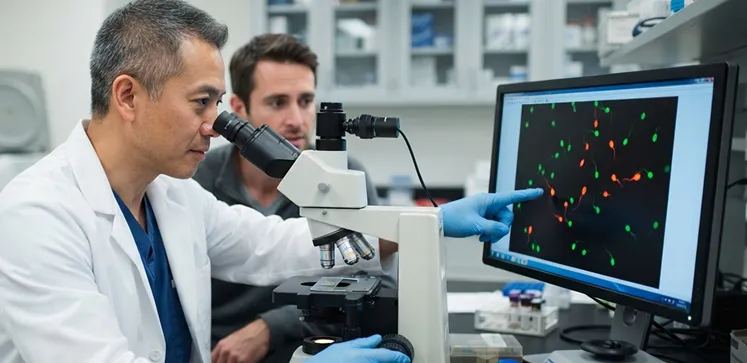
Sperm DNA fragmentation is checked with a sperm DNA fragmentation test. It uses a semen sample to look for damage in the DNA inside sperm cells.
Common testing methods include:
Results are usually shown as a percentage or fragmentation index.
There is no single cutoff for every test, so a fertility specialist clinic should interpret the result based on the test and laboratory used.
DNA fragmentation testing is not necessarily required for every man trying to conceive. It may be considered when there are particular fertility concerns.
A doctor may discuss testing if a couple has experienced:
The decision should be individualized because a DNA fragmentation result needs to be considered alongside the couple’s complete fertility evaluation.
In some cases, sperm DNA damage can be improved by addressing contributing factors. Because sperm production takes roughly two to three months, lifestyle changes generally need time before their effects can be evaluated.
Helpful steps may include:
Antioxidant supplements are sometimes used in male infertility care, but evidence about their effectiveness is mixed.
They should not automatically be considered a treatment for sperm DNA fragmentation. A healthcare professional can advise whether supplements are appropriate.
Treatment for high sperm DNA fragmentation depends on its cause and the couple’s fertility history.
Some couples may improve sperm quality by making lifestyle changes or treating an underlying health problem. Others may need fertility treatments such as IVF (in vitro fertilization) or ICSI (intracytoplasmic sperm injection).
In some cases, a fertility specialist may recommend specific approaches to help use sperm with better DNA quality.
The right option depends on factors such as sperm health, the woman’s age and ovarian reserve, and any previous fertility treatment.
Fertility treatment can sometimes help couples achieve pregnancy despite increased sperm DNA fragmentation, but it does not mean that DNA damage is eliminated.
For example, ICSI allows a single sperm to be injected directly into an egg, which can help overcome certain problems with fertilization. However, ICSI does not repair damaged sperm DNA.
This is why fertility specialists may first look for modifiable causes of sperm damage and consider the overall clinical picture before selecting a treatment strategy.
A standard semen analysis examines important characteristics such as:
Test | What It Evaluates |
Sperm concentration | How many sperm are present |
Motility | How well sperm move |
Morphology | Sperm size and shape |
Semen volume | Amount of semen produced |
Sperm DNA fragmentation test | Integrity of sperm DNA |
The key difference is that a standard semen analysis mainly evaluates the physical characteristics and function of sperm, while a DNA fragmentation test looks at the condition of the sperm’s genetic material.
Both tests can provide useful but different information. A normal semen analysis does not necessarily rule out sperm DNA damage.
Sperm are continuously produced, but the complete development process takes approximately 74 days, followed by additional time for maturation and transport.
Therefore, improvements in sperm quality are usually assessed over several weeks to a few months rather than within days.
If a man stops smoking, improves his diet, treats an underlying condition, or makes other meaningful lifestyle changes, a doctor may recommend reassessing sperm quality after around three months.
The timeline varies depending on the cause of DNA damage and the individual’s overall health.
Sperm DNA fragmentation means there is damage to the genetic material inside sperm. It can happen even when sperm count, movement, and shape look normal.
Higher DNA fragmentation may affect fertility and pregnancy outcomes. Smoking, oxidative stress, infections, varicocele, age, and lifestyle factors can contribute to sperm DNA damage.
Some causes can be improved. Healthy lifestyle changes, treatment for underlying conditions, and guidance from a fertility specialist can help improve sperm quality and support fertility.